Culture
Why Nigerian Celebrities Take Foreign Guests to Clubs Instead of Tourist Sites
From global music stars to visiting streamers like IShowSpeed, international guests in Lagos are routinely whisked straight to VIP club tables. We explore why high energy nightlife wins over historic landmarks, and what it takes to fix our tourism.
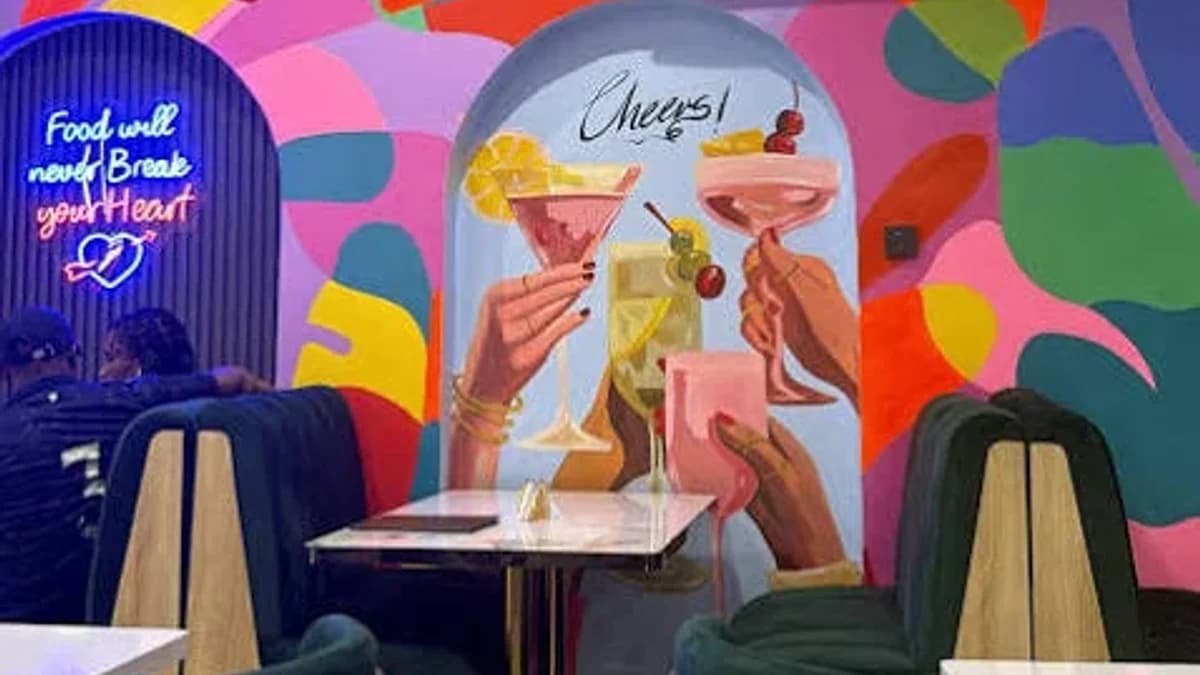
Whenever a global superstar or foreign influencer lands in Lagos, the script is almost identical. Within hours, viral clips flood social media showing them in a packed VIP section, holding expensive bottles, surrounded by heavy security, and dancing to loud Afrobeats.
This recurring ritual recently sparked a heated online debate following American streamer IShowSpeed's visit to Nigeria. Chaotic street encounters and desperate clout chasing by local influencers left many Nigerians wondering whether we are promoting the wrong public figures and why our cultural representation constantly gets reduced to nightlife and bottle service.
To understand why clubs win every single time, you have to look at how Nigeria projects its cultural power. Afrobeats and lifestyle are currently our biggest global exports. Foreigners listen to our music abroad, but high end lounges in Victoria Island or Ikoyi are where that sound comes alive. Taking a foreign guest to a club gives them an instant hit of the raw Lagos energy they have heard about in songs.
Nightlife also serves as a high stakes networking engine. A single night in a VIP lounge places a visiting guest among top music producers, brand executives, and industry tastemakers. That environment generates instant viral social media trends, public relations value, and business collaborations that a quiet afternoon at a museum simply cannot deliver.
Furthermore, high end clubs offer controlled environments. They provide guaranteed power supply, strong air conditioning, and elite private security. For a celebrity managing a high profile foreign guest, controlling crowds and guaranteeing safety inside an exclusive lounge is far easier than navigating open public spaces.In contrast, many of Nigeria's historic landmarks remain severely neglected.
While destination spots like Olumo Rock, Whispering Palms, or national parks hold incredible heritage, many suffer from poor road networks, inadequate restroom facilities, and a lack of nearby luxury accommodations. For short term international visitors, these operational hurdles make day trips difficult to pitch. Critics argue that relying solely on clubbing does the country a disservice. Neighboring nations like Ghana have successfully built multi million dollar tourism industries around heritage, history, and structured cultural tours.
Focusing exclusively on nightlife reinforces the stereotype that Nigeria is only about partying and spending money, completely erasing our deep artistic traditions, historical sites, and diverse local cultures. Moreover, real tourism builds sustainable community jobs and government revenue, whereas clubbing mostly enriches private venue owners.
Ultimately, Nigerian celebrities are entertainers, not certified tour guides. They naturally gravitate toward environments where they hold social clout and feel comfortable.
However, a subtle shift is taking shape, with more visitors spending afternoons at spaces like the Nike Art Gallery or the Lekki Conservation Centre before heading out to party at night.For Nigeria to truly shift its global narrative, the burden cannot rest on celebrities alone.
Government authorities and private investors must actively renovate historical sites, improve security, and build modern amenities that can compete with the flashing lights of Lagos nightlife. Until then, the club remains the path of least resistance.
97