Technology
UNDERSTANDING SOLAR PANEL INSTALLATION FOR BEGINNERS IN NIGERIA
Understanding how a solar panel works
Imagine your house has a giant rechargeable battery. Instead of plugging it into the wall, you use sunlight to charge it. That's how a solar power system works.
With rising electricity costs and frequent power outages, an increasing number of Nigerians are turning to solar energy as a reliable and cost-effective alternative. If you're new to solar power, the technology may seem complicated, but understanding the basics can help you make informed decisions before investing in a system.
Here is what the main parts do:
Solar panels
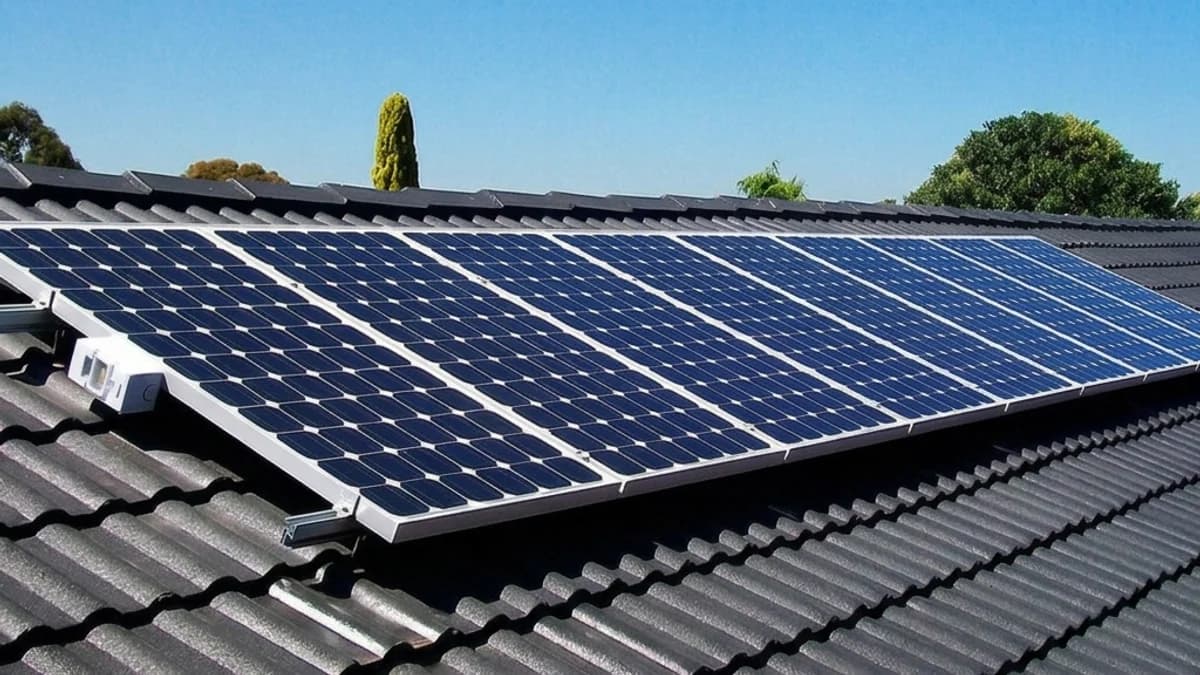
These capture sunlight and convert it into direct current (DC) electricity. They sit on your roof and collect sunlight, turning it into electricity.
charge controller
This regulates the flow of electricity from the solar panels to the batteries, preventing overcharging and extending battery life. It protects the battery from getting too much or too little charge.
Battery bank
Batteries store excess electricity generated during the day, making it available at night or during periods of low sunlight. It stores electricity so you can use it at night or when it's cloudy.
Mounting structure and wiring
These secure the panels in place and safely connect all components of the system. Wires and safety devices connect everything and protect the system.
Inverter
Since most household appliances use alternating current (AC), the inverter converts DC electricity stored in the batteries into AC power for everyday use. An inverter changes the battery's electricity into the type your fan, TV, fridge, and phone charger can use
In Nigeria, installers usually place the panels on a roof where they receive direct sunlight, ideally facing the south with little or no shade from trees or buildings.
The installation process is simple:
Check how much electricity the home needs.
Choose the right size of solar system.
Mount the solar panel securely.
Connect the panels to the charge controller, battery, and inverter
Test the system to make sure everything works safely.
The solar installation process
Installing a solar system involves more than simply placing panels on a roof. A professional installation typically follows these steps:
Energy assessment
The installer evaluates your daily electricity consumption to determine the appropriate system size.
Site inspection
The roof is assessed to ensure it receives sufficient sunlight with minimal shading from nearby buildings or trees.
System design
The right combination of panels, batteries, an inverter, and other components is selected based on your energy needs and budget.
Installation
The panels are mounted securely, electrical connections are completed, and all components are installed in accordance with safety standards.
Connect the wiring
All components are wired together, ensuring secure electrical connections that comply with safety standards.
Testing and commissioning
The entire system is tested to ensure it operates efficiently and safely before being put into regular use.
Monitor and maintain the system
After installation, regular maintenance such as cleaning the solar panels, inspecting electrical connections, and monitoring system performance helps keep the system operating at peak efficiency for years to come.
Why solar energy is growing in Nigeria:
Solar power is becoming increasingly popular across Nigeria for several reasons.
Lower electricity bills
It provides power during power outages
Less dependence on the national grid
Clean, renewable energy with little pollution
It requires relatively low maintenance
It is environmentally friendly
Tips before installing solar panels
Before investing in a solar system, work with a qualified installer who can accurately assess your energy needs. Choose high-quality components from reputable manufacturers, ensure the installation follows proper safety standards, and keep the solar panels clean to maintain optimal performance.
With proper installation and regular cleaning of the panels, a solar system can provide reliable electricity for years.
Solar energy is no longer a luxury; it is becoming a practical solution for many Nigerian homes and businesses seeking reliable electricity. Understanding how a solar power system works and what the installation process involves allows you to make smarter decisions and maximize the benefits of your investment. With proper planning and professional installation, a solar system can provide dependable, sustainable power for many years.
Are you thinking about switching to solar? Start by assessing your electricity needs and consulting a trusted solar installer to find the right system for your home and business. A well-designed solar solution can help you enjoy reliable power and independence from the grid.
If you found this article helpful, share it with your friends and family who are considering solar energy, and follow for more practical tips for smart living.
688