Culture
The Nigeria Alté Motion
Afrobeats may still dominate the charts, but a different movement has been growing quietly underneath it.
Across SoundCloud, TikTok, YouTube, Telegram communities, and underground events, a new generation of artists is building loyal fan bases without relying on traditional radio or major record labels.
Their music pushes beyond mainstream Afrobeats, blending hip-hop, Alté, trap, R&B, electronic sounds, and experimental fusion into something that feels fresh and unapologetically different.
This isn't just a music movement.
It's becoming a lifestyle.
The artists shaping the movement
No conversation about Nigeria's underground scene is complete without Cruel Santino (formerly Santi). Long before Alté became part of everyday conversations, Santino was already creating his own universe through music, fashion, visuals, and storytelling. His influence can still be seen across today's alternative scene.
Then there's Mavo, one of the biggest examples that you don't need a major label to break through. His independent run and street-influenced sound have earned him a growing fanbase while introducing new slang that's quickly becoming part of everyday conversations.
Abuja is also producing some of the country's most exciting alternative acts. NO11 (Noteveneleven) continues pushing "Nepopiano", a blend of hip-hop, trap, and Amapiano influences that has become closely tied to the city's nightlife and youth culture.
Artists like Zaylevelten, Luwa.mp4, Eggerton, Reenzo, and Scotty Olorin are also carving out their own lanes, experimenting with darker sounds, internet culture, lo-fi production, and visuals that don't follow the traditional Afrobeats formula.
It's also changing how young Nigerians dress
The New Gen movement isn't just recognised by its sound.
You can spot it in the fashion too.
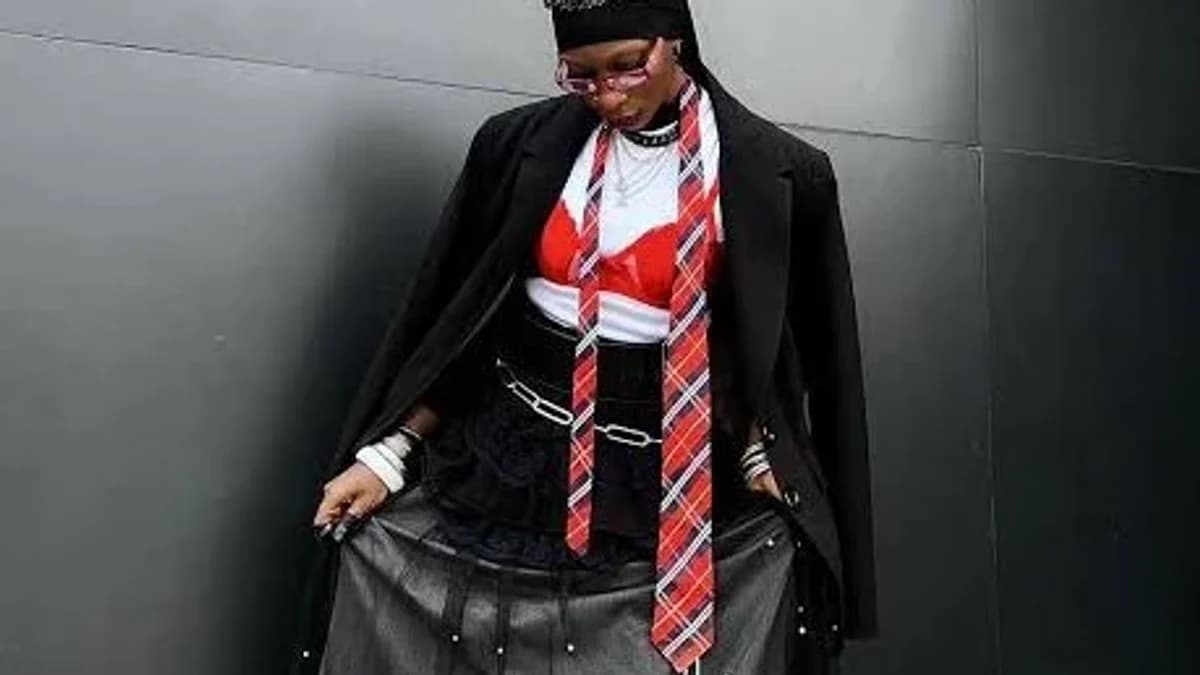
Radical individualism sits at the centre of the culture. Dyed hair, piercings, tattoos, gender-fluid styling, oversized silhouettes, and vintage pieces have become ways for young people to express themselves without following conventional fashion rules.
The rise of Alté fashion, pioneered by collectives like DRB LasGidi and later popularised by artists such as Cruel Santino, continues to influence how many Gen Z Nigerians approach style today.
There's also a growing Y2K and thrift revival. Instead of chasing expensive designer labels, many young people now hunt for oversized denim, retro jackets, football jerseys, chunky accessories, and vintage pieces from thrift stores and open-air markets across Lagos, Abuja, and other cities.
The slang everyone is picking up
Like every movement, the New Gen culture has created its own language.
Yamski – A playful variation of Yami, often used to refer to a close friend or simply vibing with your inner circle.
Dey Plizzy – Popularised by Mavo, this Gen Z twist on the classic "Dey play" is often used sarcastically when someone is joking, underestimating a situation, or refusing to take something seriously.
E don be – Literally means "It has happened" or "It's over." Depending on the context, it can express shock, disbelief, excitement, or acceptance that a situation has reached its peak.
Burti – Another expression popularised by Mavo, used to describe someone with plenty of swag, confidence, or undeniable steeze.
Whether it's through music, fashion, or everyday slang, the New Gen movement is proving that Nigerian youth culture keeps evolving.
Today's underground sound may not dominate the charts yet, but it's already shaping conversations, influencing style, and defining what the next generation looks and sounds like.
54