Technology
African Creators Go Viral. Why Do So Few Own the Audience?
A creator can reach millions and still be unable to contact those people tomorrow. Virality looks like ownership, but the two are fundamentally different.
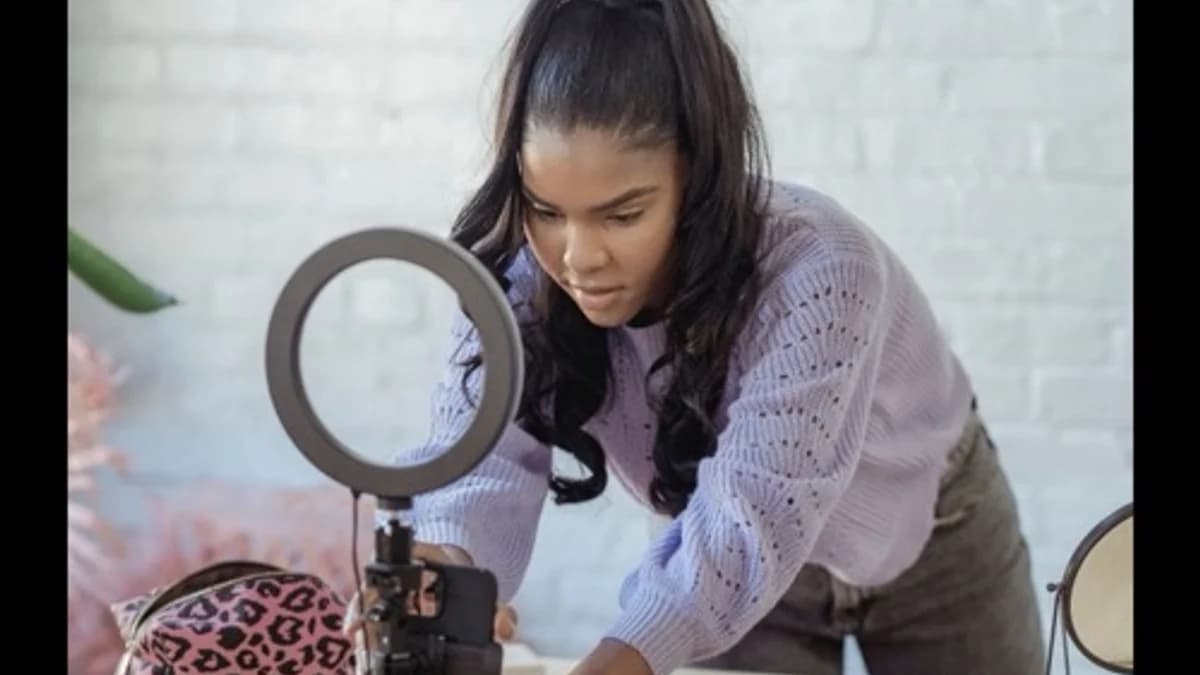
An African creator posts a video that reaches two million people. New followers arrive, brands send messages and the creator appears to have broken through.
Then the algorithm changes.
The next post reaches a fraction of the audience. A platform removes a feature, limits an account or shifts attention to a different format. The creator discovers that millions of views did not create a reliable way to reach even a small part of those viewers again.
This is the difference between attention and ownership.
Social platforms are powerful distribution engines. They make it possible for a comedian in Lagos, a food creator in Accra or a filmmaker in Nairobi to reach people across the world without owning a television station. But the relationship is rented. The platform decides who sees what, which formats receive priority and what kind of activity can earn money.
Creators often respond by chasing more reach. They publish more frequently, copy trending formats and spread themselves across every new platform. This can increase visibility while making the underlying problem worse: the audience recognizes the creator, but there is no durable home for the work or relationship.
Owning an audience does not mean owning people. It means having permission and infrastructure to communicate directly.
An email list is one example. A WhatsApp channel, membership community, website, newsletter archive or subscriber database can serve the same purpose. The key is that a creator can reach interested people deliberately instead of hoping an algorithm reconnects them.
Ownership also changes the value of content. A useful video may disappear from the timeline in two days. Turn the same idea into a searchable article, collection or guide and it can continue attracting people months later. The short-form post becomes discovery; the archive becomes memory.
This matters especially in African markets, where platform payouts may be limited, payment tools fragmented and advertising budgets smaller. A creator with a direct relationship can build several forms of value: events, consulting, products, memberships, sponsorships or community-supported work. They are no longer depending on a single platform's definition of success.
The transition should not become another exhausting demand. Creators do not need five separate communities. They need one clear home and a reason for people to join it.
That reason cannot simply be “subscribe to me.” It might be deeper explanations, useful resources, local recommendations, early access or discussion unavailable on the public timeline.
Virality is a moment. An owned audience is a system.
If your largest social account disappeared tonight, how many members of your audience could you still reach tomorrow?
580