Music
Why Other African Countries Are Still Playing Catch Up to Nigeria's Music Industry
A look at how Nigeria's massive local stream loyalty, aggressive PR machine, and global export power keep Afrobeats ahead of other African music scenes.
Walk into any major club in Accra, Nairobi, Johannesburg, or London, and one thing remains constant: Nigerian music dominates the room.
While sound waves like South Africa’s Amapiano, East Africa’s Bongo Flava, and Francophone Africa’s Rumba produce incredible talent, Nigeria’s music scene operates on a totally different commercial wavelength. The gap between Nigeria and the rest of the continent is not just about talented singers. It comes down to market scale, ruthless promotion, and unmatched local loyalty.
Hyper Local Fan Loyalty
Industry streaming data reveals a major reason for this gap: Nigerian listeners are obsessed with homegrown talent. Over 60 percent of all music streamed within Nigeria goes directly to Nigerian artists.
While listeners in many other African countries split their ears equally between Western pop, hip hop, and foreign imports, the average Nigerian music consumer defaults to local sounds first. This massive domestic demand gives Nigerian artists a solid financial and streaming foundation before they even drop a project abroad.
Lagos as the Continental Amplifier
Lagos acts as the ultimate pop culture filter for Africa. When a regional sound emerges anywhere on the continent, it rarely hits global critical mass until it passes through the Lagos production and PR machine.
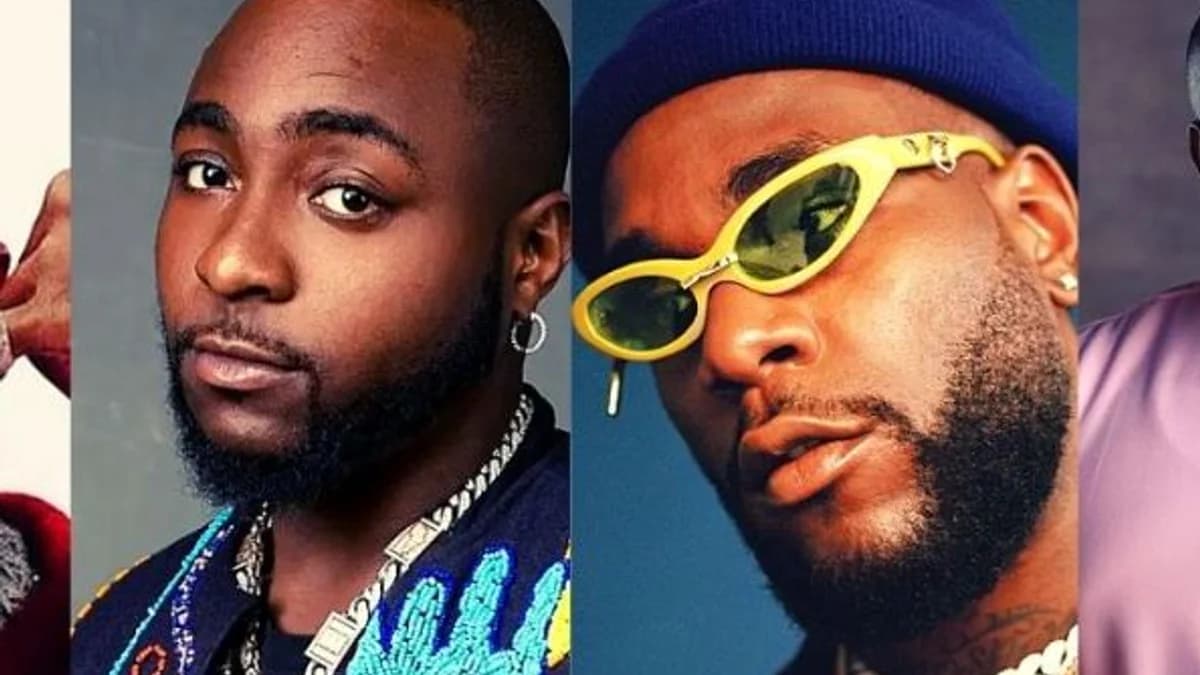
A prime example is Amapiano. While South African producers birthed the genre, Nigerian megastars like Davido, Asake, and Burna Boy jumped on the log drum sound, fused it with Afrobeats melodies, and exported it to international festival main stages. Lagos takes regional regional heat and turns it into global anthems.
The Arena Standard and Business Ecosystem
Nigeria’s music export pipeline is built on a massive diaspora network and global infrastructure. Nigerian acts were the first on the continent to regularly sell out global venues like London’s O2 Arena, New York’s Madison Square Garden, and European football stadiums.
Behind these stars sits a mature ecosystem of talent managers, record executives, digital strategists, and brand alignment experts. While other regions produce brilliant individual stars, Nigeria built a repeatable industrial pipeline that turns raw talent into global cultural exports. Until other African music markets match that level of local fan backing and infrastructure, Nigeria will keep running the show.
101