Housing
Why Modern Housing Estates in Nigeria Have Become So Unnecessarily Expensive
An inside look at why modern housing estates in Nigeria charge hundreds of millions for cramped, tight spaces. We break down the real costs behind inflated property prices, from swamp land reclamation and omonile fees to inflation hedging and bad builds.
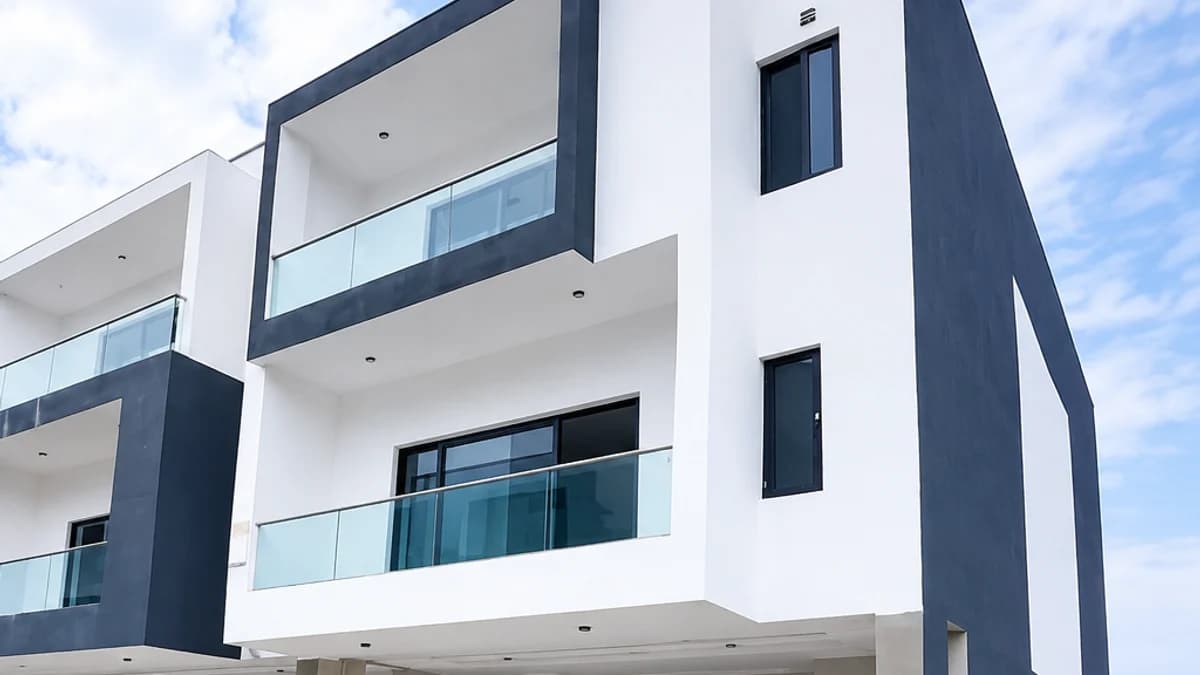
We have all seen the house tour videos on social media. A real estate creator walks through a newly built 4 bedroom terrace in Lekki Phase 1 or Ikoyi listed at ₦450 million.
Then the camera pans around. The living room is so tight your knees almost touch the coffee table. The parking spot barely fits two compact cars. There is not a single blade of green grass, just a wall of interlocking stones baking under the sun. Meanwhile, that exact same budget buys a sprawling 5 bedroom home with a 3 car garage, a massive lawn, and a pool in Texas or Georgia.
It makes zero sense. Here is why Lagos Island real estate charges luxury prices for a compromise lifestyle.
Status Driven Pricing
In Lagos, an address is less about shelter and more about social positioning. Locations like Ikoyi, Victoria Island, and Lekki operate like elite clubs. Demand is completely disconnected from actual structural value because buyers pay for the prestige of saying they live on the Island and to avoid the Mainland commute. Developers know corporate executives and tech founders will pay a premium regardless of spatial constraints, so building spacious properties is not a priority.
The Cost of Building on Swamps
Much of Lagos Island consists of reclaimed oceanfront and coastal swamps. Before a developer lays a single foundation block, tens of millions of Naira are spent dumping sand and driving concrete piles deep into waterlogged ground so the structure does not sink.
Because land reclamation is so expensive, developers sell and build by the square centimeter. Wasting space on a green lawn or a wide driveway hurts profit margins. Every available inch is converted into sellable indoor room, resulting in tightly packed terraces designed for maximum density rather than living comfort.
Real Estate as a Currency Hedge
Wealthy individuals, corporate entities, and political actors do not buy Island property purely for residential use. They use real estate to protect capital from inflation and currency devaluation. When real estate becomes a store of value rather than housing, prices inflate artificially. Properties are priced with the assumption that buyers are paying in foreign currency or holding the asset long term, completely locking out average local earners.
Omonile Extortion and Bureaucracy
Securing legal documentation like a Certificate of Occupancy takes years and involves heavy official and unofficial costs. On top of state bureaucracy, developers contend with local land grabbers, commonly called Omoniles. A developer often pays off multiple community factions and local youth groups just to keep work moving without physical disruption. Every bribe and settlement fee gets factored directly into the final sale price.
Cosmetic Finish Over Structural Quality
Modern Lekki homes often feature LED strip lighting, ceiling speakers, and glossy imported tiles that look great on camera. However, due to weak regulatory enforcement, developers routinely prioritize surface aesthetics over core engineering. It is common to see a house fitted with smart locks while moisture seeps through the walls because the builder skipped a ₦50,000 damp proof membrane during foundation laying.
Buying property on Lagos Island means paying for developer bank interest, swamp reclamation, land clearing bribes, and location hype. Until municipal infrastructure expands significantly to the Mainland and building codes are strictly enforced, living in a box on reclaimed land will continue to command a fortune.
109