Money
This Week in Finance: OPay Debunks Shutdown Rumors, Remittances Hit $947M, and Naira Gains Ground
In this week's financial roundup, diaspora remittances surged close to the Central Bank's billion dollar target, signaling strong foreign inflows. Locally, OPay clears the air over fake closure rumors, the Naira appreciates slightly at the official window
1. Diaspora Remittances Hit Record $947 Million in July
Inflows from Nigerians living abroad through International Money Transfer Operators reached $947 million in July 2026, marking the highest monthly inflow ever recorded through official financial channels. The figure brings the country within $53 million of the Central Bank of Nigeria target of $1 billion per month. Total remittances for the first seven months of 2026 reached $3.8 billion, representing a 50.2 percent surge compared to the same period in 2025.
According to the apex bank, this sustained growth stems from structural reforms, including requiring international money transfer operators to maintain naira settlement accounts with authorized dealer banks, introducing the Non Resident BVN, and offering market reflective exchange rates that draw funds away from informal channels into official bank systems.
2. OPay Debunks Viral Shutdown Rumors
Financial technology firm OPay released an official statement dismissing a fake social media notice that claimed the company planned to suspend operations or shut down in September 2026. The doctored notice, which advised users to withdraw their money immediately, caused wide concern across online platforms.
OPay confirmed the document was completely fraudulent and reassured its customer base that all app services, partner networks, and physical offices in Lagos, Abuja, and other states remain fully operational. Management urged the public to disregard unverified messages and rely strictly on verified company channels, confirming that user funds remain secure.
3. State Electricity Markets Hit Bankability Wall
Nigeria efforts to devolve power sector regulation to state governments are running into severe funding hurdles as private investors delay major capital outlays. Although 16 states have obtained legal autonomy to regulate their local power markets, only 7 states, including Enugu, Ekiti, Ondo, Oyo, Imo, Edo, and Kogi, have fully taken regulatory control, while major economic hubs like Lagos and Ogun remain in transition.
Industry experts explain that state level electricity markets currently lack bankability. Private financiers are holding back because state markets lack creditworthy off takers and basic payment assurance guarantees, such as escrow accounts or standby letters of credit to back power purchase agreements.
4. Naira Strengthens at Official Window
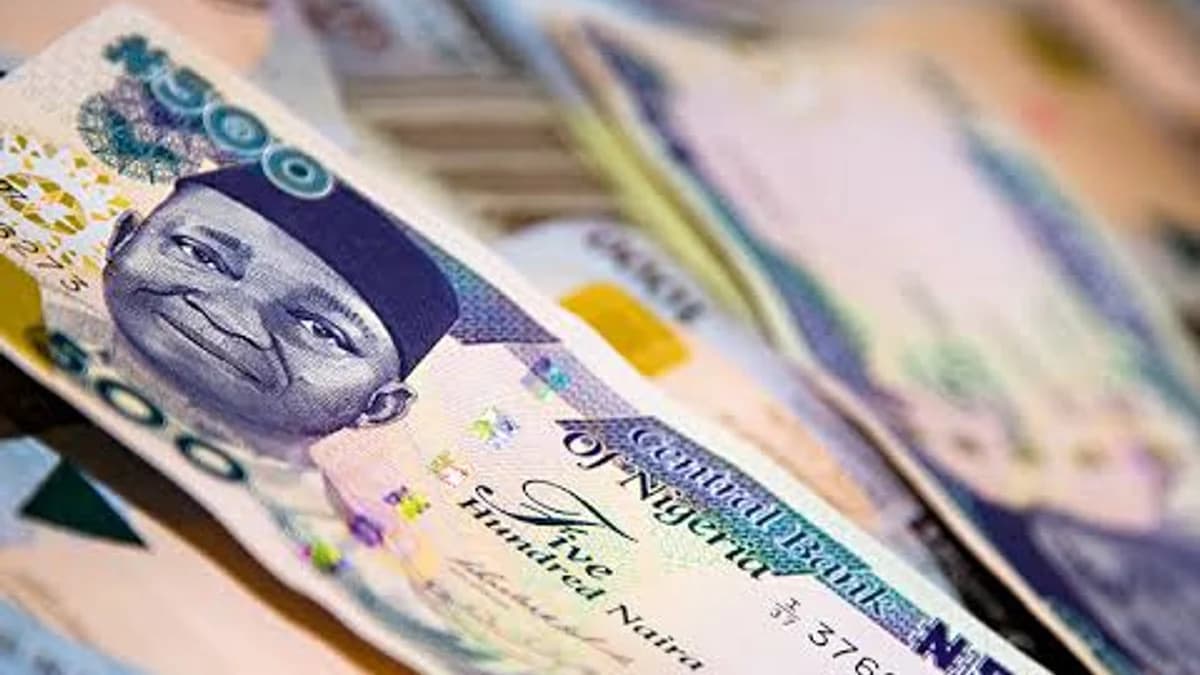
The Naira closed out the final week of August 2026 with a modest gain against the United States dollar at the official foreign exchange window. Official Central Bank figures showed the volume weighted average exchange rate settled at ₦1,337.2873 per dollar on August 28, with closing trades ending at ₦1,337.0000 per dollar.
This reflects a 0.96 percent appreciation compared to the ₦1,349.99 per dollar recorded on August 24. The slight firming up highlights steady foreign currency liquidity in official settlement channels, bolstered by higher diaspora remittance flows and ongoing market interventions aimed at minimizing exchange rate volatility.
178