
Food
Why Nigerian Food Abroad Costs So Much While Ingredient Producers Stay Poor
Diaspora diners pay premium prices for Nigerian food, yet many farmers and processors behind the ingredients remain trapped at the lowest-value end of the chain.
Walk into a Nigerian restaurant in London, Toronto, Houston or Berlin and the menu can feel surprisingly expensive. A bowl of soup, swallow and protein may cost what a family in Nigeria would consider a serious weekly food budget.
The usual explanation is simple: African ingredients are expensive to import. That is true, but it hides a more uncomfortable question. If these ingredients command premium prices abroad, why are so many of the people growing and processing them still earning so little?
The answer is that value is added at every stage after the farm.
A farmer may sell peppers, melon seed, cassava or yam with almost no control over storage, processing, packaging or final pricing. The product then passes through aggregators, transporters, processors, exporters, customs agents, wholesalers and retailers. Each step solves a real problem and adds a margin. By the time the ingredient reaches a restaurant abroad, the farmer's share of the final price may be the smallest part.
Inconsistent standards make the chain even more expensive. A diaspora restaurant needs reliable quantity, predictable quality, correct labelling and delivery on schedule. When every shipment becomes an improvisation, businesses compensate for risk through higher prices. Restaurants also pay rent, wages, tax, insurance, energy and delivery-platform commissions in expensive cities.
But high operating costs are only half the story. Nigerian food has not yet built enough scalable ingredient brands.
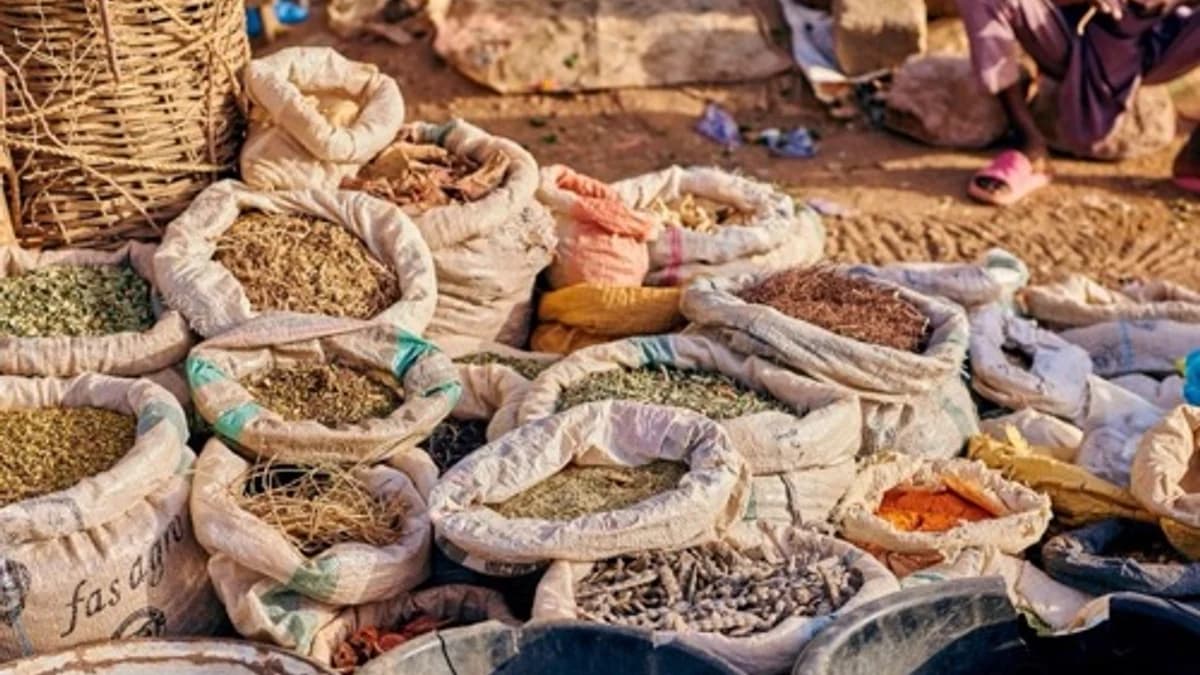
Italian food travels with branded pasta, sauces and cheeses. Japanese cuisine travels with standardized ingredients and equipment. Indian food is supported by mature wholesale networks. Nigerian cuisine often travels through informal relationships, unbranded sacks and fragmented supply chains. The food is global, but much of the infrastructure behind it is not.
This creates a strange outcome: diners abroad pay a premium, restaurant owners struggle with costs, and producers at home still lack pricing power.
Changing this requires more than opening additional restaurants. It means investing in processing close to farms, food-safety certification, consistent packaging, cold chains, export cooperatives and brands that can enter ordinary supermarkets. It also means restaurants sharing supplier knowledge instead of solving the same logistics problem alone.
There is another opportunity in adaptation. Nigerian food does not have to lose its identity to become easier to buy. Smaller portions, clear descriptions, adjustable spice levels and ready-to-use ingredients can welcome new customers while traditional versions remain available.
The real global opportunity is not only selling plates of jollof abroad. It is building the systems that allow thousands of farmers, processors, exporters, chefs and retailers to participate in the value created by Nigerian food.
So where is the greatest blockage: farming, processing, export standards, restaurant operations or our willingness to collaborate?
419