Business
Would a Walk-In Dry Cleaning Business Work in Lagos?
Walk in dry cleaning in Lagos offers strong profits from busy professionals. But high generator fuel costs, water treatment, and rent mean success depends on picking a prime location with easy parking and adding dispatch bike delivery to beat traffic.
Launching a walk in dry cleaning business in Lagos, Nigeria, presents a high yield opportunity driven by rapid urbanization, a growing corporate workforce, and a culture that highly values sharp presentation. However, navigating this market requires balancing high operational overhead against strategic location and service delivery. Lagos possesses a massive, dense population with a distinct class of corporate professionals, expatriates, and high net worth individuals.
Employees in banking, tech, oil and gas, and consulting work long hours and face grueling daily commutes, leaving them with very little time to wash and iron their clothes. Furthermore, traditional laundry services often rely on water based washing, which damages delicate formal wear, traditional attire such as expensive Agbadas and laces, and corporate suits. True chemical dry cleaning protects these investments.
Location Strategy: The Walk-In Factor
Employees in banking, tech, oil and gas, and consulting work long hours and face grueling daily commutes, leaving them with very little time to wash and iron their clothes. Furthermore, traditional laundry services often rely on water based washing, which damages delicate formal wear, traditional attire such as expensive Agbadas and laces, and corporate suits. True chemical dry cleaning protects these investments.
Location Strategy: The Walk-In Factor
For a walk in model to succeed, the location must justify the customer making a physical trip. High traffic, highly accessible, and secure areas are essential.
Tier 1 (High Income Hubs): Lekki Phase 1, Victoria Island, Ikoyi, and Ikeja GRA. Residents here have the disposable income to pay premium rates for specialized fabric care.
Tier 2 (High Density Corporate/Residential Hubs): Surulere, Gbagada, Magodo, and Yaba. These areas host a dense population of middle class professionals who prioritize convenience.
Strategic Positioning: The storefront must be located along commuter paths, inside modern shopping plazas, or adjacent to major supermarkets. Ample, secure parking is non negotiable; customers will not struggle for parking just to drop off laundry.
While the primary model is walk in, relying only on foot traffic in Lagos is risky due to severe traffic congestion. A successful walk in storefront should serve as a retail hub, but it must be backed by a dispatch rider infrastructure. Customers value the option to drop off their garments in person but have them delivered directly to their offices or homes via dispatch bikes once ready.
Operational Infrastructure and Costs
While the primary model is walk in, relying only on foot traffic in Lagos is risky due to severe traffic congestion. A successful walk in storefront should serve as a retail hub, but it must be backed by a dispatch rider infrastructure. Customers value the option to drop off their garments in person but have them delivered directly to their offices or homes via dispatch bikes once ready.
Operational Infrastructure and Costs
Operating a commercial dry cleaning business in Lagos involves significant upfront capital and high recurring costs.
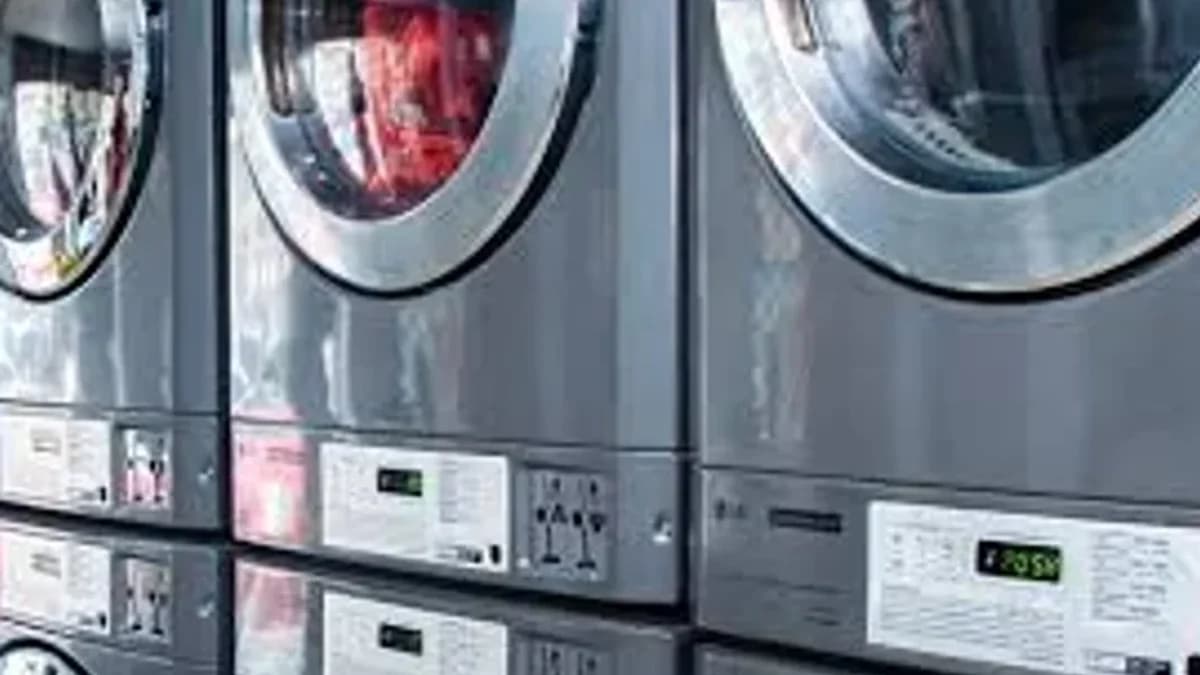
Commercial dry cleaning machines using specialized solvents like Perchloroethylene or eco friendly alternatives, industrial washers and hydro extractors for items that require wet laundering, and utility equipment including form finishers, utility presses, spotting boards, and heavy duty steam irons.
Unstable grid electricity from local electricity distribution companies means the business cannot rely on public power. A heavy duty diesel generator, typically 30kVA to 50kVA or higher depending on machine load, is mandatory. Monthly diesel consumption will represent one of the largest line items in the operational budget, while inverter backups are necessary to keep computers, point of sale systems, and lighting running during power transitions.
An industrial borehole is essential for a consistent water supply, paired with a water treatment plant since groundwater in Lagos, especially on the Island, is often high in iron and salinity. Untreated water stains clothes and corrodes expensive machinery, making filtration mandatory.
Furthermore, operating a standard dry cleaning facility requires clearance from federal, state, and local government agencies to avoid sudden closures or heavy fines. The Lagos State Environmental Protection Agency regulates the disposal of chemical waste and solvents to ensure they do not contaminate the local environment, while the Lagos State Fire Service mandates fire safety inspections, fire extinguishers, and clear emergency exits due to the flammable nature of certain solvents and high heat machinery.
A walk in dry cleaning business is highly viable in Lagos if established in a high income or dense corporate corridor. Success depends entirely on absorbing high power and water treatment costs while maintaining flawless garment care and offering delivery options to bypass the city's traffic constraints.
Unstable grid electricity from local electricity distribution companies means the business cannot rely on public power. A heavy duty diesel generator, typically 30kVA to 50kVA or higher depending on machine load, is mandatory. Monthly diesel consumption will represent one of the largest line items in the operational budget, while inverter backups are necessary to keep computers, point of sale systems, and lighting running during power transitions.
An industrial borehole is essential for a consistent water supply, paired with a water treatment plant since groundwater in Lagos, especially on the Island, is often high in iron and salinity. Untreated water stains clothes and corrodes expensive machinery, making filtration mandatory.
Furthermore, operating a standard dry cleaning facility requires clearance from federal, state, and local government agencies to avoid sudden closures or heavy fines. The Lagos State Environmental Protection Agency regulates the disposal of chemical waste and solvents to ensure they do not contaminate the local environment, while the Lagos State Fire Service mandates fire safety inspections, fire extinguishers, and clear emergency exits due to the flammable nature of certain solvents and high heat machinery.
A walk in dry cleaning business is highly viable in Lagos if established in a high income or dense corporate corridor. Success depends entirely on absorbing high power and water treatment costs while maintaining flawless garment care and offering delivery options to bypass the city's traffic constraints.
216