
Business
Business Hub: Mega IPO Prep, Banking Reforms, Industrial Factories, and Grain Price Guarantees
Dangote Refinery targets Africa's largest equity listing after posting ₦19.13 trillion in H1 revenue, while government officials push commercial banks toward private sector lending and public agencies deploy fresh industrial and agricultural capital.
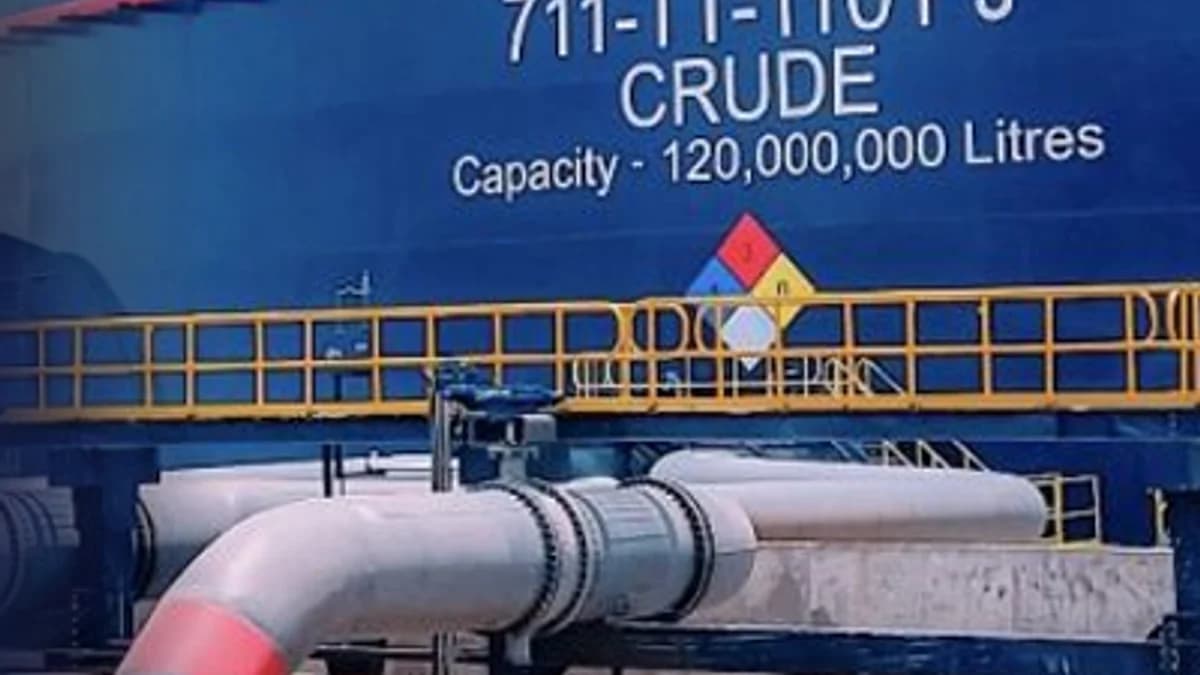
1. Dangote Refinery Reports ₦19.13 Trillion Revenue Ahead of Landmark IPO
Dangote Petroleum Refinery has laid the groundwork for what promises to be Africa’s largest public stock offering after posting ₦19.13 trillion in revenue for the first half of 2026. The surge represents a 121 percent increase compared to the same period in 2025, driven by steady operational scaling and processing rates reaching up to 700,000 barrels per day.
Gross profit rose sharply to ₦3.43 trillion, while net profit hit $1.82 billion. This financial performance supports the refinery's target valuation of $40 billion to $50 billion. The company plans to raise ₦2.15 trillion by floating 4.1 billion ordinary shares at ₦525 per share. Net proceeds will fund capital expenditure for capacity expansion across its refining and petrochemical operations.
2. Federal Government and World Bank Urge Banks to Direct Capital to Private Sector
President Bola Tinubu and World Bank officials have challenged Nigerian commercial banks to reallocate capital away from government securities and into direct business financing. Speaking at the Chartered Institute of Bankers of Nigeria conference, the administration emphasized that economic stability must translate into accessible corporate credit and job creation.
The call coincides with the conclusion of the central bank recapitalization drive, which saw lenders raise ₦4.65 trillion from domestic capital markets. Central bank officials noted that disinflationary monetary adjustments are making progress, with inflation moderating to 15.43 percent and gross foreign reserves crossing $54 billion. Government risk sharing frameworks and credit guarantees are being expanded to encourage banks to extend patient capital to manufacturing, infrastructure, and housing.
3. NASENI Establishes 20 Factories and 40 Industrial Products in Two Years
The National Agency for Science and Engineering Infrastructure has facilitated the setup of 20 manufacturing factories and developed over 40 technological products across Nigeria over the past two years. The initiative focuses on converting local academic research into commercial marketplace applications.
Beyond hardware engineering, the agency has integrated business management training into its commercialization process, equipping local inventors with accounting, marketing, and business strategy skills. Recent commercial projects supported by the agency include security jackets featuring real time communication modules for tactical command centers and a digital marketplace designed for public agencies to commercialize institutional goods and services.
4. Bank of Agriculture Unveils ₦200 Billion Price Guarantee Scheme for Farmers
The Bank of Agriculture has launched a ₦200 billion Guaranteed Minimum Price mechanism aimed at shielding grain farmers from market price drops. The intervention focuses on rice, maize, sorghum, and soybeans, establishing a guaranteed price floor when market rates fall below production costs.
Designed as a self sustaining revolving fund rather than a subsidy, the program expects to recover 85 percent of funds through commercial sales. Commodities aggregated directly from verified farmers will be stored in Nigerian Commodity Exchange warehouses across the six geopolitical zones. The accumulated grain reserves will serve as a price stabilization buffer, allowing the government to release stock during periods of consumer price spikes.
59