HOW BABY WALKER IS AFFECTING YOUR CHILD 👶
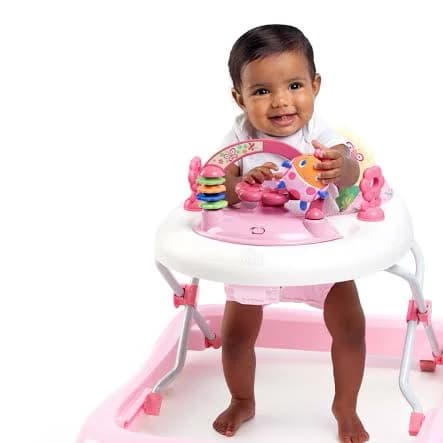
Many parents believe a baby walker will help their child walk faster.
It looks helpful. It feels supportive. It even keeps the baby busy.
But the effects are not always positive.
A baby walker can delay natural walking. Walking is not just about moving the legs — it involves balance, core strength, coordination, and learning how to fall and stand again. When a walker supports a baby’s weight, they don’t fully develop those essential skills on their own.
It can also affect muscle development. Babies in walkers often move on their toes or lean forward unnaturally. This can interfere with proper posture and healthy muscle use.
Safety is another serious concern. Walkers move quickly. Babies can roll into dangerous areas, reach hot objects, pull heavy items down, or fall down stairs before an adult reacts. What seems like harmless movement can quickly become risky.
Walkers also reduce important floor time. Crawling, sitting independently, pulling up on furniture, and cruising along surfaces are all crucial stages of development. These stages build strength and coordination. Skipping or limiting them can affect overall growth.
Sometimes, walkers create a false sense of independence. A baby may appear to be walking, but they are not actually balancing or controlling their body fully. Real walking develops through trial, error, falling, and trying again.
A better alternative is supervised floor play, tummy time, and push toys that allow the child to move naturally without being suspended in a seat. Creating a safe play area encourages healthy development.
Every child grows at their own pace. If there are concerns about development, it’s always wise to speak with a pediatric professional.
Parenting is not about doing what is popular — it’s about doing what supports healthy growth.