By 5am, the city is still quiet.
Traffic has not started lying yet. Horns are asleep. Shops are closed. Only footsteps move.
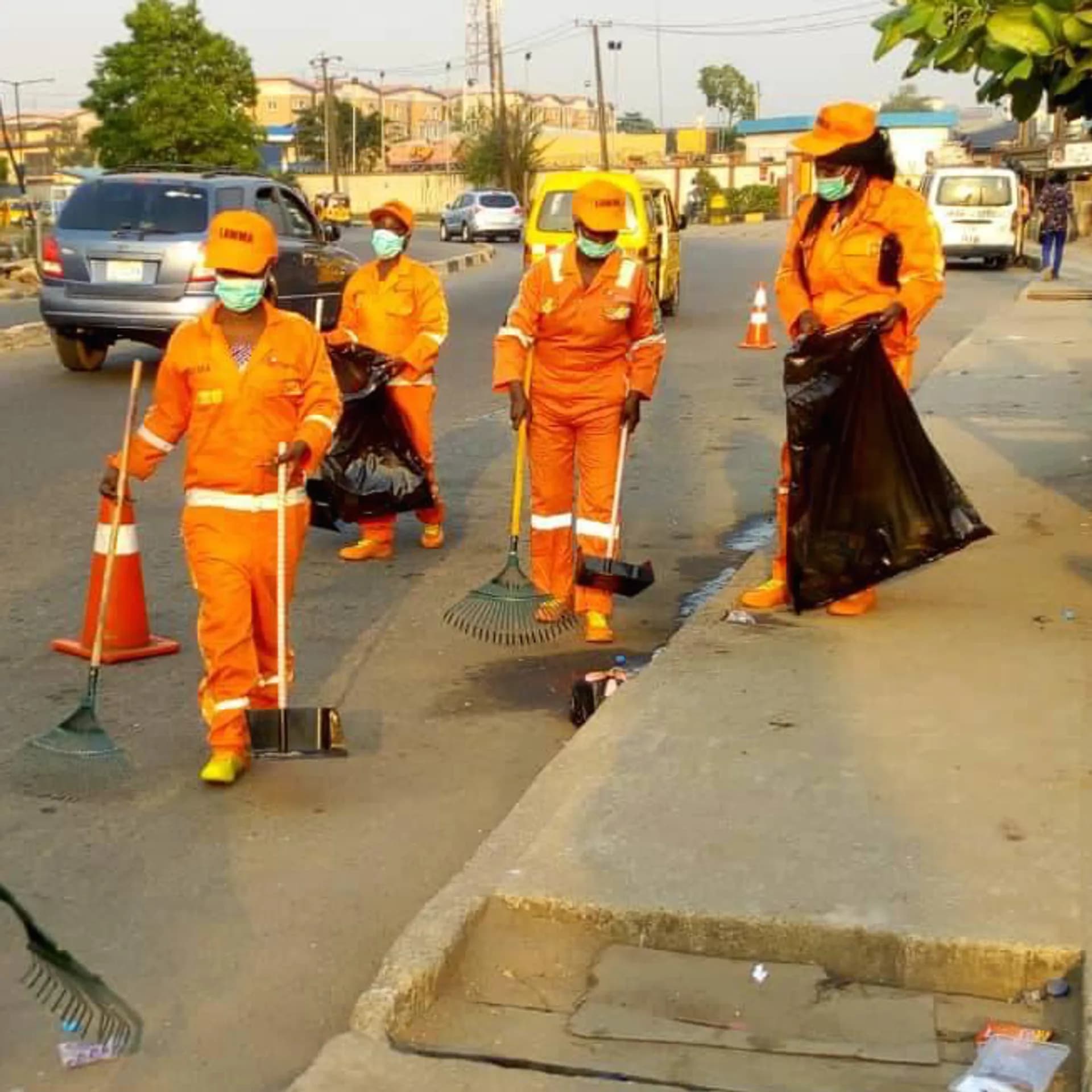
Women stand by the roadside with brooms longer than their arms. Buckets nearby. Reflective vests faded from sun and washing.
They start sweeping.
Dust rises gently. Plastic wrappers appear. Broken bottles show up. Yesterday’s Lagos reveals itself slowly.
This work runs on routine.
Same stretch of road. Same direction. Same pace. No supervisor shouting. No clock counting loudly.
They know where dirt hides. Corners. Gutters. Bus stops. Places people pretend not to see.
By 7am, cars take over. People pass without looking. The road appears normal. Clean enough. Forgotten immediately.
Nobody asks who cleaned it.
Yet these women understand something deep.
Cleanliness is temporary. Maintenance is forever.
Sweep today. Sweep tomorrow. Miss one day and the road remembers.
This thinking mirrors real life in Nigeria.
Money. Health. Relationships. Systems.
Skipping small maintenance feels harmless. Until accumulation shows up.
They do not complain about yesterday’s dirt. They focus on today’s sweep.
No drama. No motivation quotes.
Consistency beats mood.
The city depends on this quiet discipline. Not innovation. Not disruption.
Just showing up daily and clearing what others leave behind.
By the time offices open and traffic roars, the lesson is already gone with the dust.
But it stays true.
Progress in Nigeria often looks like repetition.
Not applause.
Just work done early, quietly, and again tomorrow.