


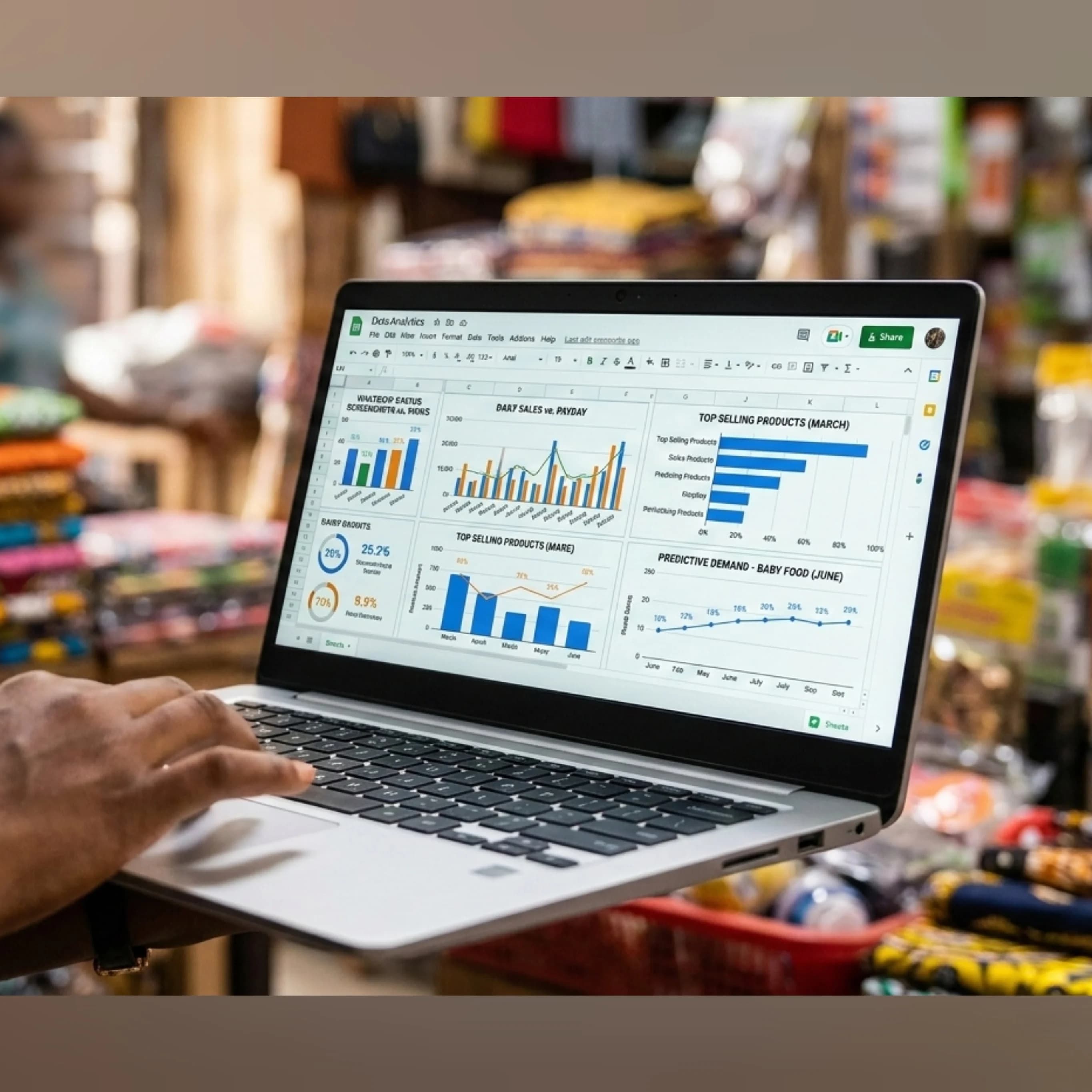
Data Over Vibes How Nigerian SMEs Are Using Predictive Analytics to Modernize Inventory:
For the average Nigerian vendor, inventory management often feels more like a game of chance than a business strategy. Orders are placed based on "gut feelings," "vibes," or the hope that a product trending in Lagos will find the same success in Port Harcourt or Kano. However, "vibes" don't pay the rent when deadstock is sitting in your warehouse.
Even for the smallest Instagram boutique or WhatsApp-based trader, the era of guessing is over. You are sitting on a goldmine of information. By transitioning from "vibe-based" stocking to data-driven decision-making, you can predict exactly what your customers will want before they even send that "Price?" DM.
Mining Your "Small Data": The Hidden Clues in Social Media
You don’t need a degree in data science to perform high-level analysis. Most vendors overlook the "Small Data" generated by their daily interactions. The key is to look beyond vanity metrics like "Likes" and focus on intent-based actions.
The Screenshot Metric: On Instagram, a "Save" or a "Share" is worth ten likes. If you post a series of dresses and one gets 50 saves but only 10 likes, that is your next best-seller. It means people are keeping it for "payday" or as a reference for their tailor.
WhatsApp Status Analytics: Your status views tell a story. If your views drop off after the third slide, your "hook" isn't strong enough. More importantly, track which items prompt "Is this available?" vs. those that just get a fire emoji. The former is demand; the latter is just polite engagement.
Engagement vs. Conversion: Analyze the time of day your audience is most active. If your customers are most responsive at 9:00 PM on a Sunday, that is when you should be dropping your new arrivals not 10:00 AM on a Monday when they are busy at the office.
Accessible Tools for the Non-Techie Entrepreneur
Data analytics sounds expensive, but for most SMEs, the best tools are often free or already on your phone.
1. Microsoft Excel & Google Sheets: The Logic Engines
A simple spreadsheet is still the most powerful tool in commerce. Instead of just recording sales, start tracking Contextual Data. Create columns for:
Weather: Did you sell more umbrellas because it rained, or more iced tea because of a heatwave?
Payday Cycles: Nigerian spending habits usually spike between the 25th and the 5th of the month.
Referral Source: Did the customer come from a TikTok video or a WhatsApp referral?
2. Airtable: The Visual Database
If you find spreadsheets intimidating, Airtable offers a more visual, "Lego-block" approach to data. It allows you to attach photos of products directly to sales records, helping you visually identify color and style trends that are working across your entire inventory.
The Power of Predictive Selling
Predictive selling is the art of knowing what your customer needs before they realize it themselves. It is based on Correlation and Lifecycle.
Consider the lifecycle of a product. If a customer buys newborn diapers from your shop in March, data tells us that by June, they will likely be looking for larger sizes and weaning foods.
The "Reminder" Strategy: Instead of waiting for the customer to run out of stock and go to a local supermarket, use your data to send a personalized WhatsApp message: "Hi [Name], we noticed it’s been about three weeks since your last skincare refill. Would you like us to set one aside for you before we sell out?"
Bundle Logic: Data might show that 70% of people who buy a "Silk Bonnet" also eventually buy "Leave-in Conditioner." Use this to create "Predictive Bundles," offering both at a slight discount to increase your Average Order Value (AOV).
From Analysis to Action
The difference between a "hustle" and a "business" is the ability to scale. You cannot scale a gut feeling, but you can scale a data-backed trend. By spending just 30 minutes at the end of every week reviewing your numbers, you move from being a passive observer of your business to an active pilot.
Stop buying stock because "everyone is wearing it." Buy it because your data proves your specific audience is ready to pay for it.
The Bottom Line:
What is the one product that always sells out in your shop, no matter the season? Let’s analyze the "why" behind your best-seller in the comments was it the price point, the timing, or a specific platform that drove the sales?