
Money
Why Zambia’s Currency is Outperforming the Naira While Daily Life Remains Expensive
The Zambian Kwacha has surged on international charts, trading at over 70 Naira per Kwacha. Yet on the streets of Lusaka, 60 Kwacha can barely buy a loaf of bread or cover a bus ride. Let's dive into the macroeconomic forces driving Zambia's currency.
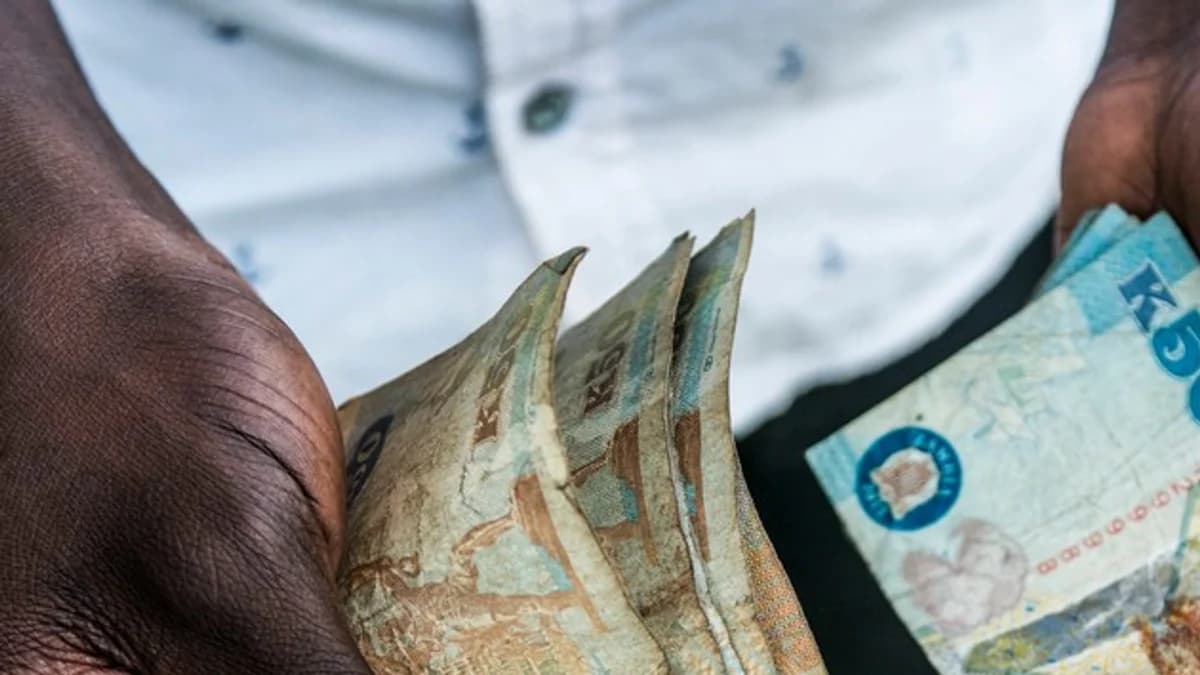
If you look purely at foreign exchange charts, the Zambian Kwacha looks like an economic powerhouse. It has consistently ranked among the top-performing currencies globally, trading at over 70 Naira to a single Kwacha. But step onto the streets of Lusaka, and you will quickly notice a puzzling disconnect: 60 Kwacha (4000 naira) can barely buy a loaf of bread or secure a basic bus ride home.
This creates a classic economic paradox. How can a country possess one of the strongest exchange rate trajectories on the continent while its everyday citizens still struggle with basic cost-of-living expenses? To understand what is really happening, you have to separate external currency valuation from internal purchasing power.
The Three Drivers Behind the Kwacha Surge:
An exchange rate simply measures how badly foreign markets want a nation’s currency relative to others. The Kwacha’s dramatic rise against both the US Dollar and the Naira is being fueled by three specific macroeconomic catalysts:
The Global Copper Boom: Zambia is Africa’s second-largest copper producer. With global demand for copper exploding due to electric vehicles, clean energy transitions, and massive AI data center infrastructure, foreign currency has been flooding into Zambia’s reserves.
Strict De-Dollarization Policies: The Bank of Zambia cracked down hard on local dollarization, forcing mining giants and domestic businesses to settle taxes and local transactions strictly in Kwacha. Forcing foreign entities to sell dollars and buy Kwacha created massive artificial demand for the local currency.
Debt Restructuring Success: After years of default anxiety, Zambia successfully restructured billions of dollars in external debt with foreign creditors and the IMF. That breakthrough restored foreign investor confidence and unlocked fresh capital inflows.
Nominal Value vs. Actual Wealth
It is easy to make the mistake of equating a strong exchange rate with individual prosperity, but foreign exchange rates are ultimately an arbitrary numbers game.
The Japanese Yen trades at around 140 Yen to 1 US Dollar, making its nominal unit "weaker" on paper than the Kwacha. Yet Japan maintains one of the highest standards of living on earth. The Kwacha’s strength over the Naira is largely a reflection of Nigeria’s severe inflation cycles and ongoing FX liquidity bottlenecks, rather than proof that daily life in Zambia is cheap or easy.
Why Local Purchasing Power Is Still Strained
While macro indicators look outstanding on central bank dashboards, the microeconomy on the ground tells a very different story for two key reasons:
Heavy Import Dependence: Zambia imports a vast majority of its consumer goods, refined fuel, and processed food. When a nation relies heavily on imports, local shelf prices remain tethered to global supply chain costs, international shipping fees, and fuel tariffs—regardless of how strong the local currency is.
The High Cost-of-Living Disconnect: Even though Zambia’s average monthly salary converts higher in dollar terms than Nigeria’s ($369 vs. $220), baseline living expenses in Zambia are significantly higher. A single person in Zambia needs around $927 a month for baseline expenses compared to roughly $761 in Nigeria. Because essential commodities cost more in absolute terms, a strong currency still leaves a worker’s wallet feeling thin.
Ultimately, the Kwacha’s performance is a major victory for Zambia's central bank policies and trade balance. However, an exchange rate is not a magic wand for domestic affordability. Until export revenues are converted into local manufacturing, robust agricultural supply chains, and higher real wages, a currency can look kingly on international trading screens while still leaving everyday citizens feeling the pinch at the supermarket counter.
2