YouTube didn’t start with vlogs, music videos, or viral clips. It started with rejection.
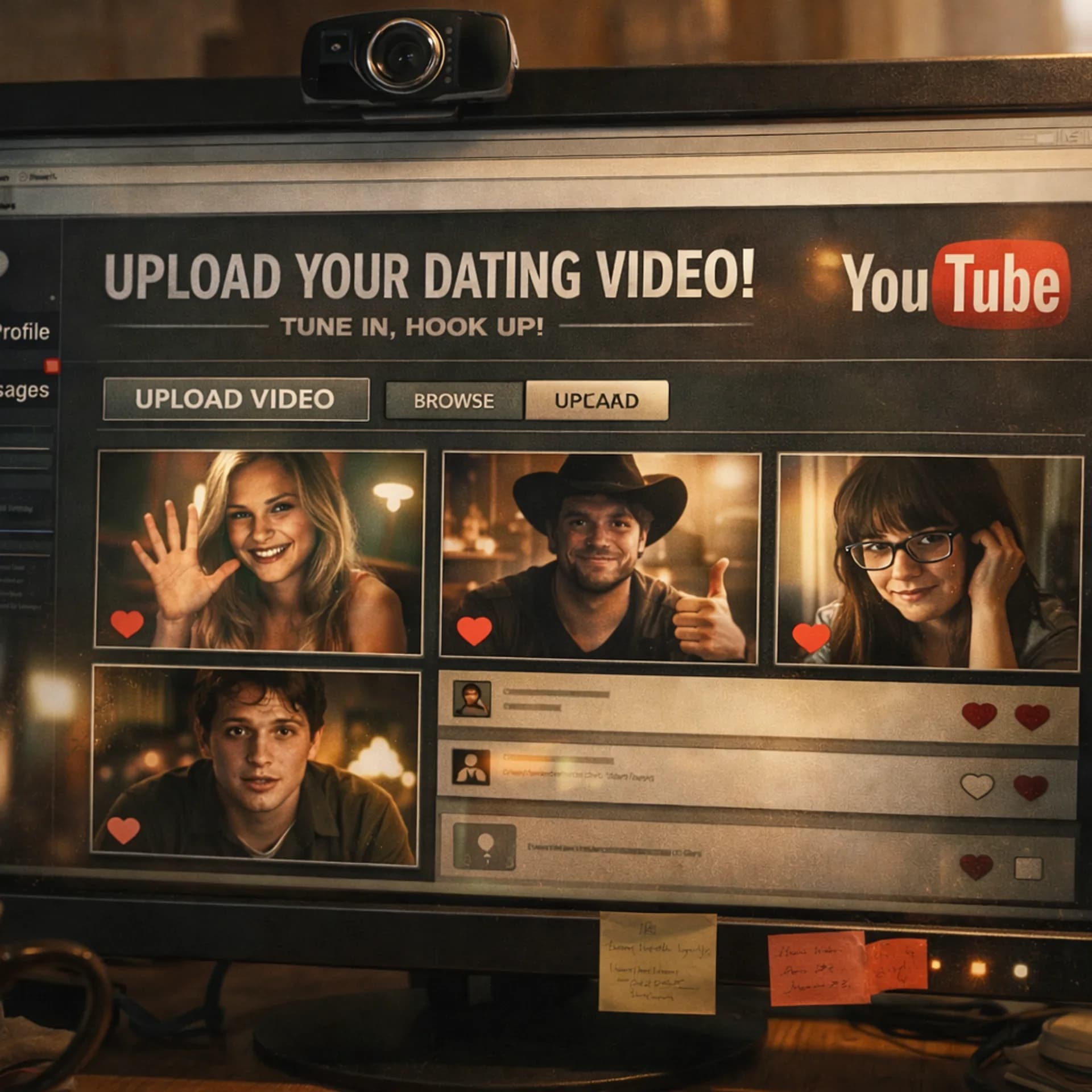
In early 2005, three former PayPal employees Chad Hurley, Steve Chen, and Jawed Karim had an idea they thought was clever: a video-based dating site. The concept was simple. People would upload short videos introducing themselves and explaining who they were looking for. The slogan even made it clear: “Tune In, Hook Up.”
But nothing happened.
Almost no one uploaded dating videos. The platform was live, the idea was clear and users ignored it completely. The founders waited. Still nothing. The dating angle failed.
Then something unexpected happened.
A few users began uploading random videos instead. Not dating profiles. Just clips parties, pets, personal moments, mistakes. One of the founders, Jawed Karim, uploaded a short video called “Me at the zoo.” It was ordinary, awkward, and pointless by startup standards. But people watched it.
That’s when they noticed the real problem they were solving wasn’t dating it was how hard it was to share video online.
At the time, uploading and sending videos was a nightmare. Formats didn’t work, files were too large, and most websites couldn’t handle them. YouTube quietly shifted focus. They removed the dating identity and leaned into what users were already doing: upload anything, watch instantly, share easily.
That small decision listening to users instead of forcing the original idea changed the internet.
By 2006, YouTube was growing so fast it was impossible to ignore. Google bought it for $1.65 billion, barely a year after launch. What began as a failed dating site became the world’s largest video platform, reshaping music, news, education, and culture itself.
YouTube didn’t win because it had the best idea.
It won because it let go of the wrong one.
Sometimes, the thing that saves your vision is the courage to abandon it.
Follow us for more
Be honest... did you know this? Drop a comment 👇
Follow us for more
Be honest... did you know this? Drop a comment 👇