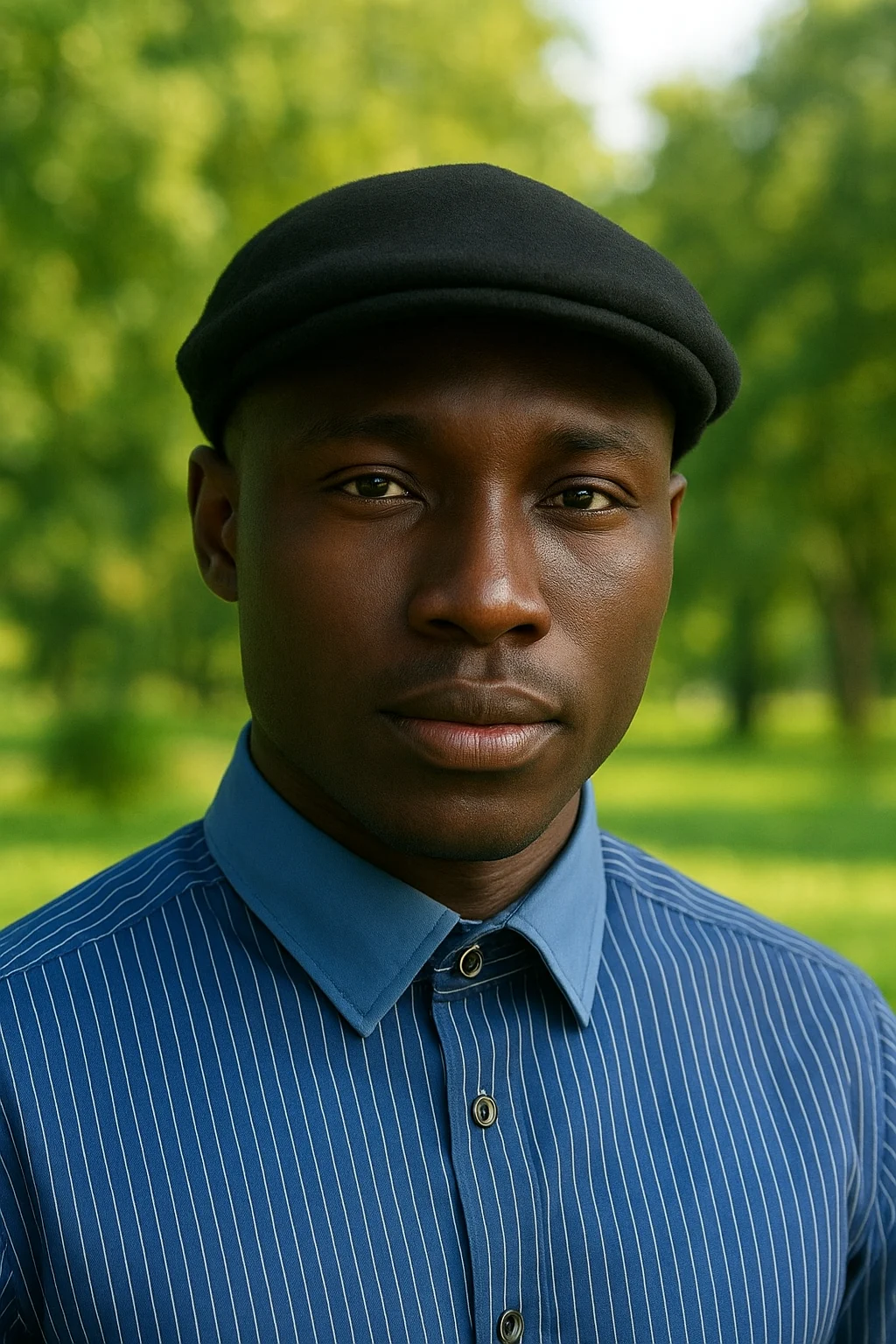
A man walked into a small restaurant wearing old clothes.
His shoes were worn.
His phone was an inexpensive model.
He sat quietly in a corner and ordered the cheapest meal on the menu.
A few people looked at him.
Someone whispered, “He probably doesn't have money.”
Another person laughed.
Nobody knew that the man had spent most of his savings helping his younger brother complete school.
Nobody knew that he had recently lost his job.
Nobody knew that he was rebuilding his life from almost nothing.
They saw his appearance.
They created a story.
And they judged him based on a story they had created themselves.
WE OFTEN JUDGE FROM A SMALL PIECE OF INFORMATION
This happens every day.
We see someone who doesn't greet us and conclude that they are proud.
We see someone who is quiet and assume they are unfriendly.
We see someone struggling financially and assume they are lazy.
We see someone succeeding and assume they have an easy life.
We see someone making a mistake and decide they are incapable.
But what if there is more to the story?
What if the person is dealing with something you know nothing about?
FIRST IMPRESSIONS ARE NOT ALWAYS THE TRUTH
What you see may be real, but it may not be complete.
A person can smile while carrying serious responsibilities.
Someone who looks confident may be struggling with uncertainty.
Someone who appears successful may have sacrificed more than you realize.
Someone who seems to be moving slowly may simply be taking a different path.
This doesn't mean we should ignore people's actions or excuse harmful behavior.
It means we should be careful about turning limited information into permanent judgments.
ASK QUESTIONS BEFORE CONCLUSIONS
Instead of immediately saying:
“That's the kind of person he is.”
Try asking:
“Do I really know enough to make that conclusion?”
That small question can save us from many unfair judgments.
Sometimes, we don't need more information.
We simply need more humility.
THE DANGER OF LABELS
Once we label someone, we often stop seeing them as a complete human being.
“Lazy.”
“Proud.”
“Poor.”
“Arrogant.”
“Failure.”
“Troublemaker.”
A label can become a prison.
And sometimes the person we have labelled is actually fighting battles we cannot see.
People can change.
Circumstances can change.
And our understanding can change.
So leave room for people to be more complicated than the first impression you formed about them.
YOU MAY BE JUDGED TOO
Think about your own life.
Have you ever been misunderstood?
Have people ever made assumptions about you without knowing what you were going through?
If you have experienced that, then you already understand why compassion matters.
We all want people to consider our circumstances before judging us.
We should be willing to offer the same courtesy to others.
THIS DOES NOT MEAN TRUST EVERYONE
Being slow to judge does not mean being careless.
You can recognize unhealthy behavior.
You can establish boundaries.
You can hold people accountable.
But you can do all of that without pretending you know everything about their life.
There is a difference between discernment and condemnation.
One looks carefully at what is happening.
The other assumes it knows everything.
YOUR CHALLENGE TODAY
The next time you catch yourself forming a quick judgment about someone, pause.
Ask yourself:
“What don't I know about this person?”
That question may not change the situation.
But it can change the way you respond to it.
CALL TO ACTION
Before you judge someone today, give yourself a moment to remember:
You are looking at one moment of their life, not the entire story.
Be fair.
Be humble.
Be compassionate.
Because one day, you may also need someone to look beyond your worst moment and remember that you are more than it.
If others were like you, would people feel judged by you, or understood by you?