Imagine two people discussing an important issue.
The first person has excellent knowledge of the subject but interrupts constantly, raises their voice, and treats every disagreement as an insult.
The second person understands the subject, listens carefully, explains their reasoning clearly, and remains respectful even when challenged.
Who is more likely to have a productive conversation?
Usually, the second person.
Not necessarily because they know more, but because they understand how to communicate what they know.
This is a valuable lesson that extends beyond classrooms.
You may be intelligent, hardworking, and highly skilled, but those qualities don't automatically mean other people will understand your ideas.
In business, you must explain the value of your product to potential customers.
At work, you may need to present ideas, resolve disagreements, or ask for clarification.
In relationships, you must communicate your feelings, listen to other people's concerns, and establish boundaries.
Even in education, knowing an answer is different from explaining it in a way another person can understand.
Communication is not simply about speaking. It is also about listening, understanding, and responding appropriately.
Consider what happens when someone criticizes your work.
You could immediately become defensive and reject everything they say.
Or you could ask questions to understand the criticism.
Perhaps they identified a genuine weakness.
Perhaps they misunderstood your intention.
Perhaps both of you have useful points.
Listening gives you an opportunity to discover the difference.
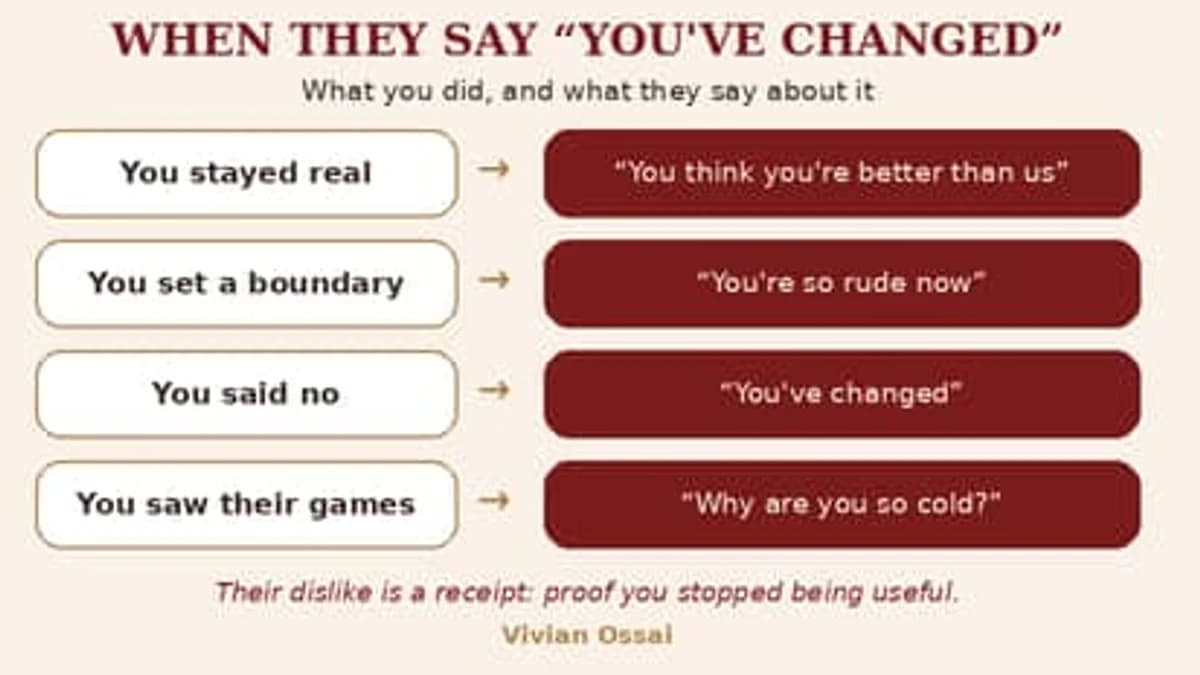
This doesn't mean accepting every criticism or allowing people to disrespect you.
You can disagree firmly without becoming insulting.
You can establish boundaries without humiliating someone.
You can correct misinformation without treating the other person as unintelligent.
And you can admit that you were wrong without losing your dignity.
In fact, being able to acknowledge a mistake often demonstrates confidence rather than weakness.
Here are four communication habits worth developing.
First, listen before responding. Don't spend the entire conversation preparing your next argument while the other person is speaking.
Second, explain your ideas clearly. Use simple language and relevant examples instead of trying to impress people with complicated words.
Third, ask questions. If something is unclear, seek clarification rather than immediately assuming the worst.
Fourth, control your response. You cannot always control what someone says, but you can practise choosing how you respond.
These habits won't eliminate every misunderstanding, but they can improve many conversations.
Remember, your knowledge matters.
Your intelligence matters.
Your opinions matter.
But your ability to communicate can determine how effectively you share those things with the world.
Don't focus only on becoming someone who knows the right answers. Become someone who can explain, listen, learn, and disagree respectfully.
That skill can benefit you in school, business, leadership, and everyday life.
Which communication skill do you think people struggle with most: listening, controlling emotions, explaining ideas, or accepting correction?
#ThingsSchoolDidntTeachMe #CommunicationSkills #LifeLessons #PersonalDevelopment #Education