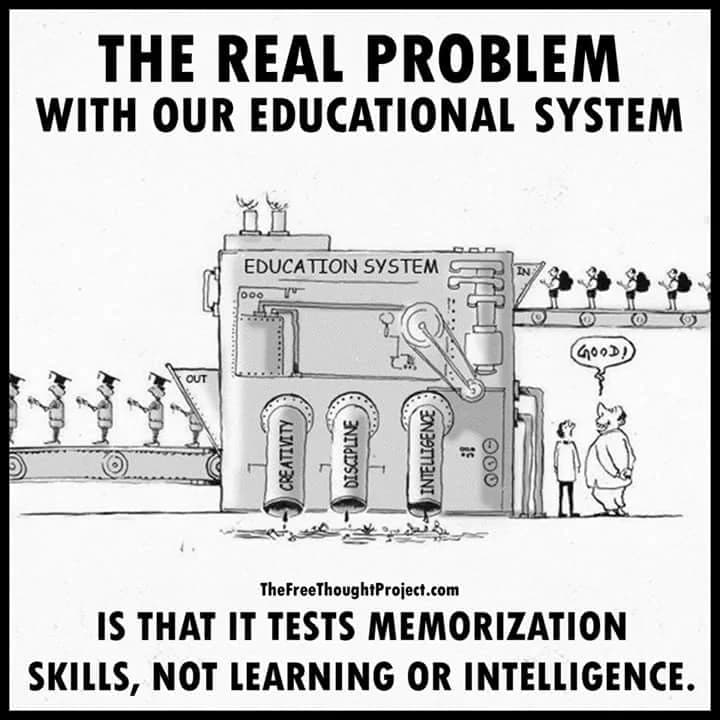
In a world where technological advancements and global challenges are evolving at an unprecedented pace, our traditional education systems are struggling to keep up. The conventional schooling approach often prioritizes standardization and conformity over creativity and originality, leaving many students unprepared for the complexities of the 21st century.
The Limitations of Traditional Education
Traditional schools focus on imparting knowledge and skills that are already established, rather than encouraging students to explore new ideas and solutions. This approach can stifle creativity, as students are often rewarded for conforming to existing norms rather than challenging them. Additionally, the emphasis on standardized testing and rote memorization can lead to a lack of critical thinking and problem-solving skills.
The Importance of Creativity and Innovation
Creativity and innovation are essential skills for the modern world. With the rise of automation and artificial intelligence, many jobs that exist today will soon be obsolete. To thrive in this new landscape, young people need to be equipped with the ability to think creatively, adapt quickly, and develop innovative solutions to complex problems.
The Need for a Supportive Ecosystem
A school of creativity and innovation would provide a supportive ecosystem for young innovators to explore their ideas, take risks, and learn from their failures. This ecosystem would include:
- Collaborative workspaces and state-of-the-art facilities
- Mentorship programs with experienced innovators and entrepreneurs
- Access to resources, funding, and networking opportunities
- A culture that encourages experimentation and learning from failure
Interdisciplinary Learning and Collaboration
A school of creativity and innovation would also foster interdisciplinary learning and collaboration. Students would work together on projects that combine art, science, technology, and social impact, developing a holistic understanding of complex problems and solutions.
The Role of Failure and Experimentation
Failure and experimentation are essential components of the creative process. By embracing failure as a learning opportunity, students would develop resilience, persistence, and the ability to iterate and improve their ideas.
Social and Economic Impact
A school of creativity and innovation would have a profound impact on society and the economy. By cultivating a new generation of creative thinkers and innovators, we can:
- Drive economic growth and job creation
- Develop sustainable solutions to social and environmental challenges
- Foster a culture of creativity and entrepreneurship
African-Centric Solutions and Contexts
Finally, a school of creativity and innovation in Africa would prioritize African-centric solutions and contexts. By developing solutions that are tailored to local needs and challenges, we can create a more sustainable and equitable future for all.
In conclusion, a school of creativity and innovation is not a luxury, but a necessity. By cultivating the creative potential of young minds, we can unlock a brighter future for ourselves and for generations to come.
About the Author
Olajide Ojeniyi is a passionate advocate for innovation, creativity, and entrepreneurship. With experience in research, leadership, and mentorship, he is dedicated to empowering young people to become creative problem-solvers and change-makers. Olajide is committed to fostering a culture of innovation and entrepreneurship in Africa. He is also a member of the World Bank's Solutions for Youth Employment (S4YE) Youth Advisory Group, where he contributes to global efforts to address youth unemployment and promote sustainable livelihoods. He believes that by harnessing the potential of young minds, we can create a brighter future for all.