
Traditional marriage in Igbo land is a deeply rooted cultural practice that holds more significance than any other form of wedding in the Igbo land. It is not just a ceremony, it is a process, rich in meaning and carried out step by step with respect for tradition and family values.
Before a lady gets married, she must first introduce her intended husband to her family. This marks the beginning of a series of important steps.
One of the most crucial stages is the investigation carried out by the bride’s family. They take time to find out about the man, his background, and the kind of family he comes from. This process is done to ensure that their daughter is marrying into a home that is respectful and aligned with their values.
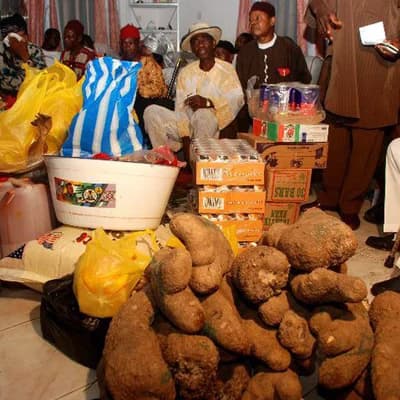
At the heart of the traditional marriage is the payment of the bride price, often referred to as dowry.
This is not just a financial obligation; it is a symbolic act that shows the man’s readiness and ability to take full responsibility for the woman. It also brings honor and pride to the bride’s family, as it signifies that their daughter is valued and properly sought after.
For the groom, the traditional marriage serves as strong evidence of his intentions. It is a public declaration that he has come with respect to ask for the woman’s hand in marriage, and that he is committed to fulfilling his responsibilities as a husband.
During the ceremony, elders from both families gather to witness and bless the union. Their presence signifies approval, wisdom, and the joining of two lineages. It is in this moment that two families become one, bound together not just by marriage but by culture, respect, and shared values.
In Igbo land, traditional marriage is more than a ritual; it is a sacred institution that preserves identity, strengthens family ties, and lays a solid foundation for a lasting union.