
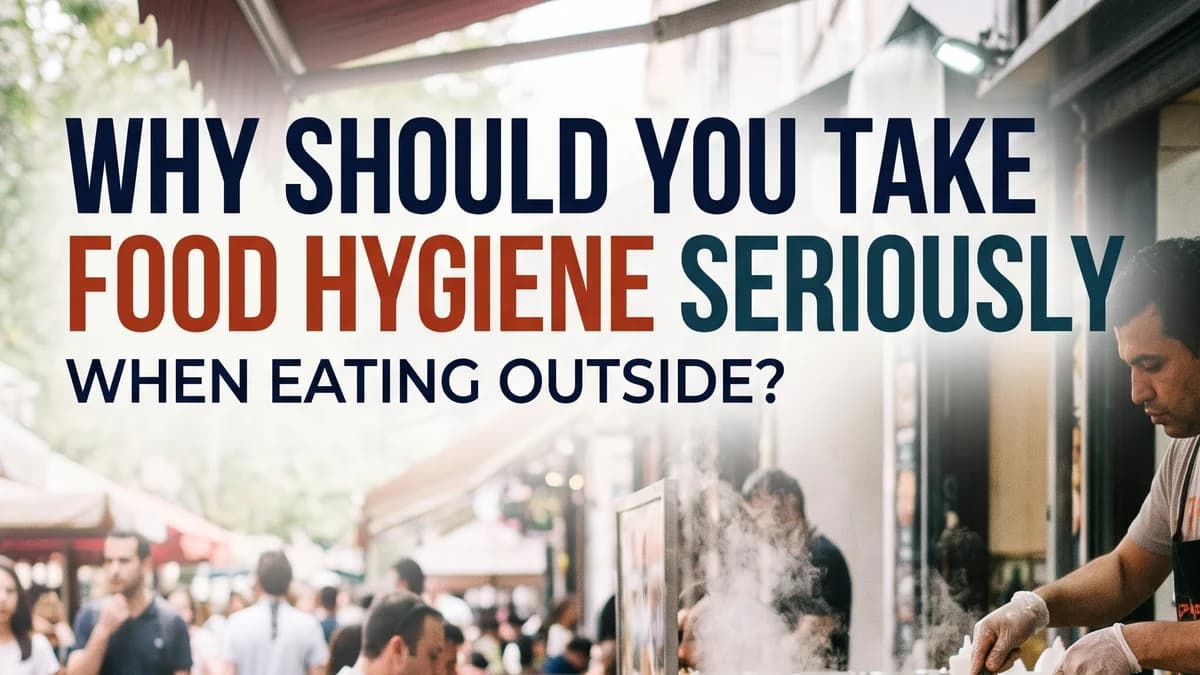
Eating outside the home is part of everyday life for many people. Restaurants, roadside food sellers, school canteens, and workplace cafeterias provide convenient meals, especially for people with busy schedules.
However, poorly handled or stored food can cause foodborne illness.
Before buying food, pay attention to the cleanliness of the environment. Observe whether food is protected from flies, dust, and other possible sources of contamination.
Hot meals should be served properly cooked and kept at safe temperatures. Perishable foods that remain unrefrigerated for too long may become unsafe, even when they look or smell normal.
Also consider how food handlers manage money and food. Handling cash and then touching ready-to-eat meals without proper hand hygiene can increase contamination risks.
If you are buying food to eat later, store it appropriately and avoid leaving perishable meals in a hot environment for extended periods.
In Nigeria, where power interruptions and hot weather can make food storage more difficult, proper refrigeration and food handling deserve particular attention.
If you develop severe diarrhoea, bloody stools, signs of dehydration, or persistent vomiting after eating, seek medical attention.
Lesson: Choosing where and how you buy food is an important part of protecting your health.