On the surface, it looks like progress.
Netflix commissions African films.
African stories appear on a global platform.
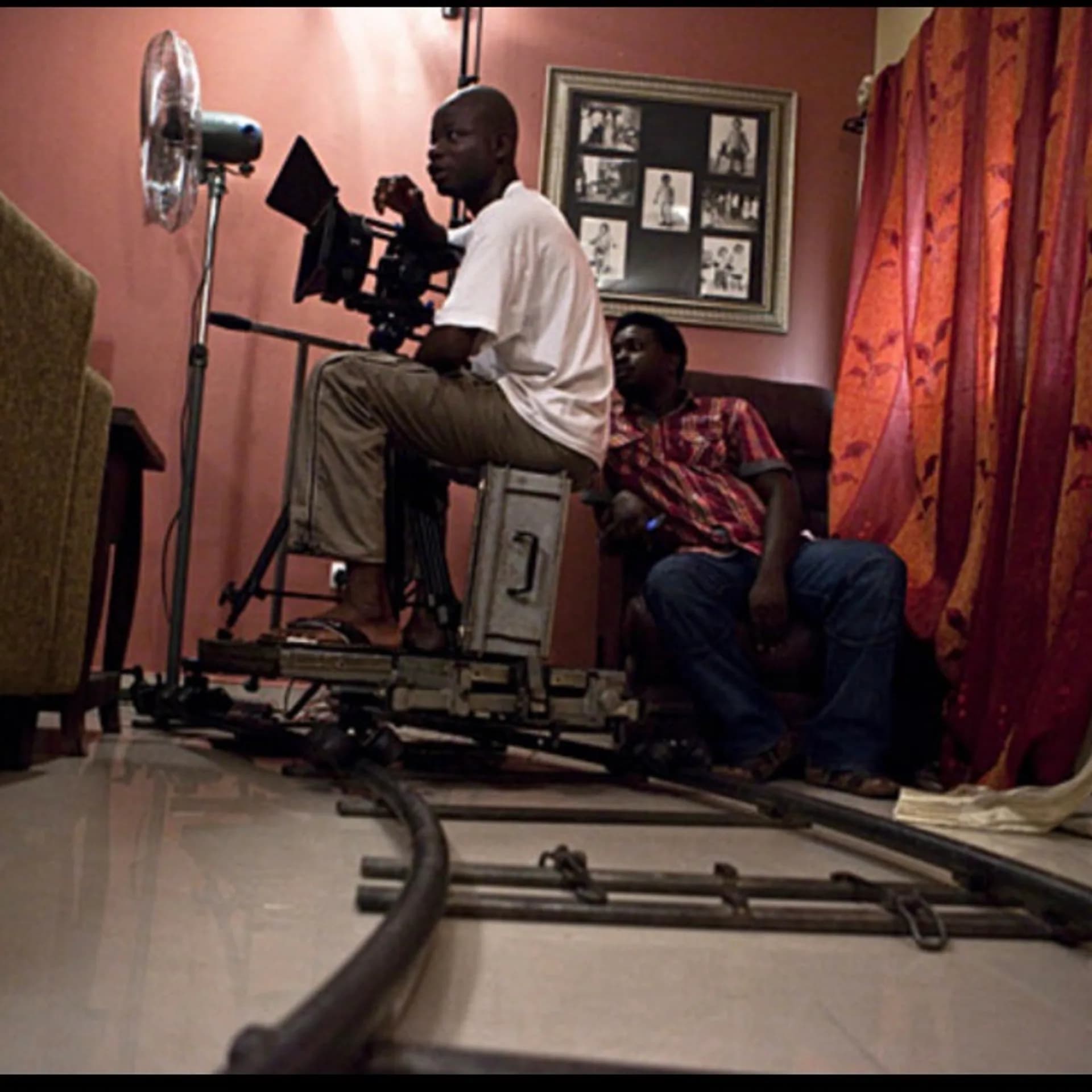
Local filmmakers get budgets they never had before.
So the obvious question is:
Why hasn’t this translated into strong African studios, franchises, or long-term film ecosystems?
The answer isn’t sinister.
It’s structural.
⸻
1. Netflix Buys Content. Studios Build Capability.
Netflix’s business model is simple:
• Acquire compelling content
• Keep subscribers engaged
• Minimize long-term fixed costs
Studios do the opposite:
• Invest in people
• Build repeatable production systems
• Carry long-term risk
Funding a film is transactional.
Building a studio is infrastructural.
Netflix is optimized for the first — not the second.
⸻
2. Studios Are Risk. Films Are Options.
When Netflix funds a single African film, it:
• Limits exposure to one project
• Retains optionality
• Avoids payroll, training, and asset ownership
If the film performs:
• Great — renew a deal
If it doesn’t:
• Move on
Building studios would mean:
• Training writers for years
• Developing showrunners
• Maintaining facilities
• Committing to regional pipelines
That’s a permanent bet, not a flexible one.
Global platforms avoid permanent bets unless the upside is undeniable.
⸻
3. Africa Is Treated as a Content Source, Not a Production Base.
Historically, Africa has been positioned as:
• A place to source stories
• A market to test narratives
• A region to license from
Not as:
• A center of global production
• A storytelling export hub
• A studio-driven ecosystem
Netflix followed this pattern.
It commissions:
• Individual films
• Limited series
• One-off projects
But it doesn’t:
• Build writer rooms at scale
• Develop multi-film franchises locally
• Anchor long-term production infrastructure
Consumption is global.
Capability remains local — and fragile.
⸻
4. Compare This to How Hollywood, Korea, and India Grew
Strong film ecosystems were never built by platforms alone.
They emerged from:
• Studio systems
• Long-term talent development
• Reusable sets and crews
• Institutional memory
South Korea didn’t go global because Netflix arrived.
Netflix arrived because Korea already had studios, writers, and production discipline.
Africa skipped that step.
Platforms filled the gap — but platforms don’t replace institutions.
⸻
5. Funding Without Ownership Limits Growth
Most African Netflix-backed projects:
• Are owned by the platform
• Don’t spin off into franchises
• Don’t retain IP locally
• Don’t train large teams over time
So each project starts almost from scratch.
Money comes in.
Experience leaves with the crew.
Nothing compounds.
This is why:
• Quality improves
• Scale doesn’t
⸻
6. The Quiet Reality: Platforms Don’t Build What Governments and Industry Didn’t
In regions with strong studios:
• Governments invested early
• Private capital followed
• Distribution was protected
• Talent pipelines were formalized
In Africa:
• Film policy is weak
• Infrastructure is fragmented
• Financing is inconsistent
• Distribution is unstable
Netflix didn’t replace missing systems.
It simply worked around them.
⸻
The Core Truth
Netflix is not failing Africa.
It is behaving exactly like a global platform should:
• Reduce fixed risk
• Maximize flexibility
• Buy what already works
African film struggles because:
• Studios were never built first
• Training wasn’t institutionalized
• IP ownership wasn’t prioritized
• Long-term storytelling systems didn’t exist
Platforms amplify ecosystems.
They don’t create them.
⸻
Until This Changes…
African films on Netflix will:
• Improve in production quality
• Reach wider audiences
• Create moments of visibility
But Africa will still lack:
• Global franchises
• Enduring studios
• Exportable storytelling systems
Funding creates output.
Studios create industries.
And platforms fund outputs — not industries.