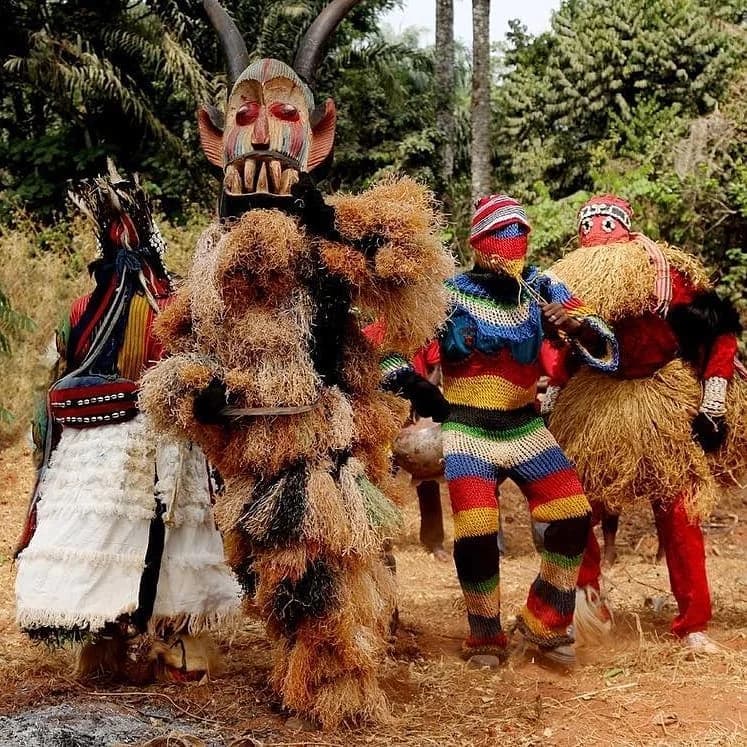
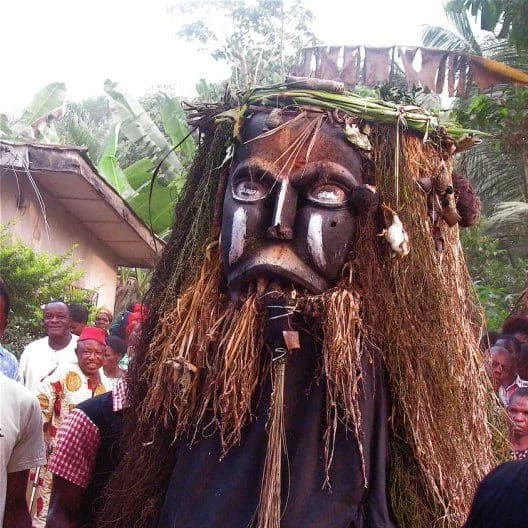
In the Eastern part of Nigeria, masquerades hold a deep cultural and spiritual significance. Among the Igbo people, masquerades are generally known as Mmanwu, while in some communities, like mine, they are called Okoroshi.
From my experience, the major reason masquerades are highly respected is that they are believed to represent spirits. Traditionally, they are seen as a connection between the spiritual world and the living. This belief alone commands a high level of reverence, as people do not see them as ordinary humans in costume, but as sacred beings.
Another unique aspect is their mode of communication. Masquerades often speak in coded or symbolic language that outsiders or “foreigners” cannot easily understand. In many communities, there are also cultural restrictions, such as women not being allowed to speak or interpret this language. This adds to the mystery and reinforces the idea that masquerades belong to a sacred realm.
Before a masquerade appears in public, certain rituals and incantations are performed. These traditional practices are believed to invoke and prepare the spirit that the masquerade represents. The preparation itself is taken seriously and is handled by initiated members of the community, further emphasizing its sacred nature.
Beyond spirituality, masquerades also play important roles in preserving culture and tradition. They appear during festivals, ceremonies, and important community events, helping to pass down values, entertain, and even enforce societal norms
Masquerades are respected in Eastern Nigeria because they are seen as sacred, spiritual, and deeply rooted in tradition. They are not just performances, but powerful symbols of identity, culture, and belief among the Igbo people.