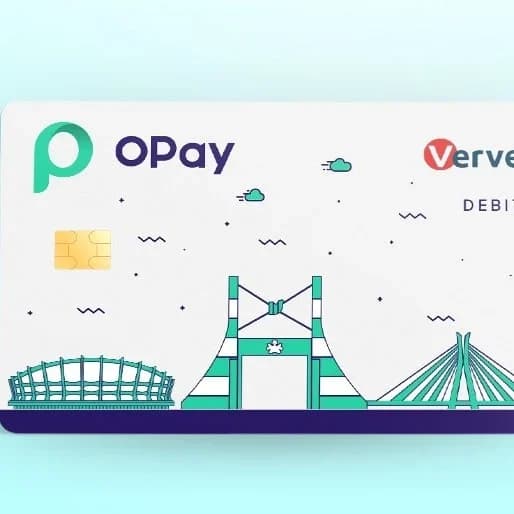
For me, it started the same way it did for many people around me. I needed something that worked without hassle. I continue to use OPay because it offers simple features that other banking apps often get wrong in my day-to-day life in Nigeria.
The first thing is speed. When I send money, it typically reflects quickly. This is especially important when I'm paying someone at a market or transferring money while I'm on a bike or stuck in traffic; I don’t want to see "processing" or failed transfer messages. OPay feels more direct and reliable for those urgent situations.
Another advantage is its stability during busy hours. Some banking apps tend to malfunction when usage spikes, such as in the evenings or at the end of the month. OPay rarely causes that type of frustration for me. Even small transactions, like airtime, data purchases, or bill payments, go through smoothly without much hassle.
I have also utilized the agent network. There are times when I don’t want to search for a bank or ATM; I can simply walk to a nearby agent, deposit or withdraw cash quickly, and go about my day. This convenience is more valuable than many people realize, especially when getting around can already be stressful.
I appreciate that everything is in one place. Whether it’s airtime, transfers, bills, or simple payments, I don’t need to switch apps or overthink anything. This reduces the number of steps I need to take.
However, it’s not perfect. There are occasions when the network may delay small transactions, or I might need to retry a transaction. Like any financial app, I must remain cautious about security and double-check everything before sending money.
Still, compared to what I experience with some traditional banking apps, OPay seems more suited for everyday life in Nigeria. It’s fast when I need it, simple when I want to avoid complexity, and readily available when I don’t want to waste time looking for alternatives.
If you use it too, what keeps you using OPay: speed, convenience, or fewer transfer issues?