When my Canadian work visa was approved, everyone congratulated me like I had won something permanent.
They said, “You’ve escaped.”
They said, “Don’t look back.”
They said, “Your life is set now.”
I believed them — at first.
I arrived in Canada in winter, which felt symbolic in ways I didn’t yet understand. Everything was clean, quiet, and efficient. The streets didn’t shout at you. The systems worked. The money arrived on time.
I had what Nigerians online call soft life.
But nobody tells you how silent soft life can be.
I worked as a software developer, mostly remote, even before remote work became fashionable. My team was polite, professional, distant. Meetings started on time and ended early. Nobody asked about your weekend unless it fit into small talk.
After work, I went home.
Home was a rented apartment with thin walls and no memories.
At first, I told myself I was just adjusting.
Then winter stretched.
And stretched.
And stretched.
I realised I could go days without hearing my name spoken out loud.
Back in Nigeria, silence was rare. Someone was always calling you, asking you for something, annoying you, reminding you that you existed in a network of people. Abroad, independence came with an invisible cost: you must generate your own meaning.
I tried to do things “right.”
I joined meetups.
I went to tech events.
I saved aggressively.
On paper, I was progressing.
But my body knew before my mind admitted it: I was shrinking.
I started to feel like I was watching my life instead of living it — like I had outsourced joy to the future. Endure now, enjoy later. That was the unspoken immigrant contract.
Then COVID hit.
And something cracked open.
Remote work became normal. My job no longer required my physical presence in Canada. Suddenly, the thing I thought I had travelled for — proximity — didn’t matter anymore.
I started asking a question I was scared of:
If I can earn in dollars from anywhere…
Why am I suffering somewhere I don’t feel alive?
The answer terrified me because it meant undoing a decision everyone praised.
Returning to Nigeria felt like admitting failure — not to myself, but to the audience watching my life from afar.
But I did the math honestly.
I was lonely.
I was numb.
I was becoming efficient at surviving, not living.
So I packed my things.
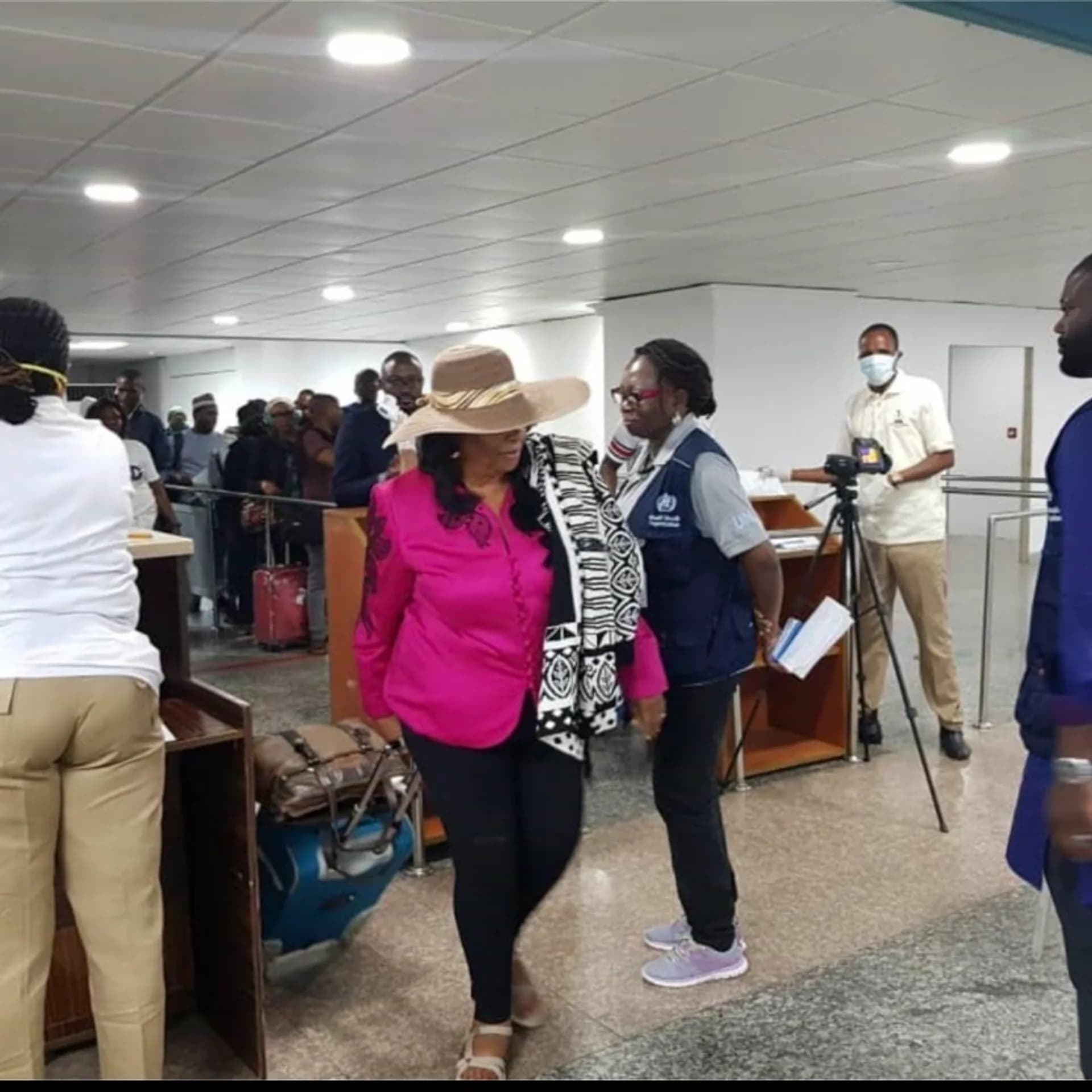
When the plane landed in Lagos, the heat hit me first. Then the noise. Then the chaos. And then — the strangest feeling of relief.
Nigeria didn’t magically become easy.
Power still went out.
Traffic still disrespected time.
Systems still fought you.
But I felt present again.
I worked remotely, earned globally, and lived locally. I heard my name daily. I ate food that tasted like memory. I argued with people. I laughed without scheduling it.
Returning wasn’t regression.
It was alignment.
And the biggest lie I had to unlearn was this:
That leaving is always forward, and coming back is always backward.
Sometimes, progress looks like knowing when a chapter has taught you enough — and closing it yourself.