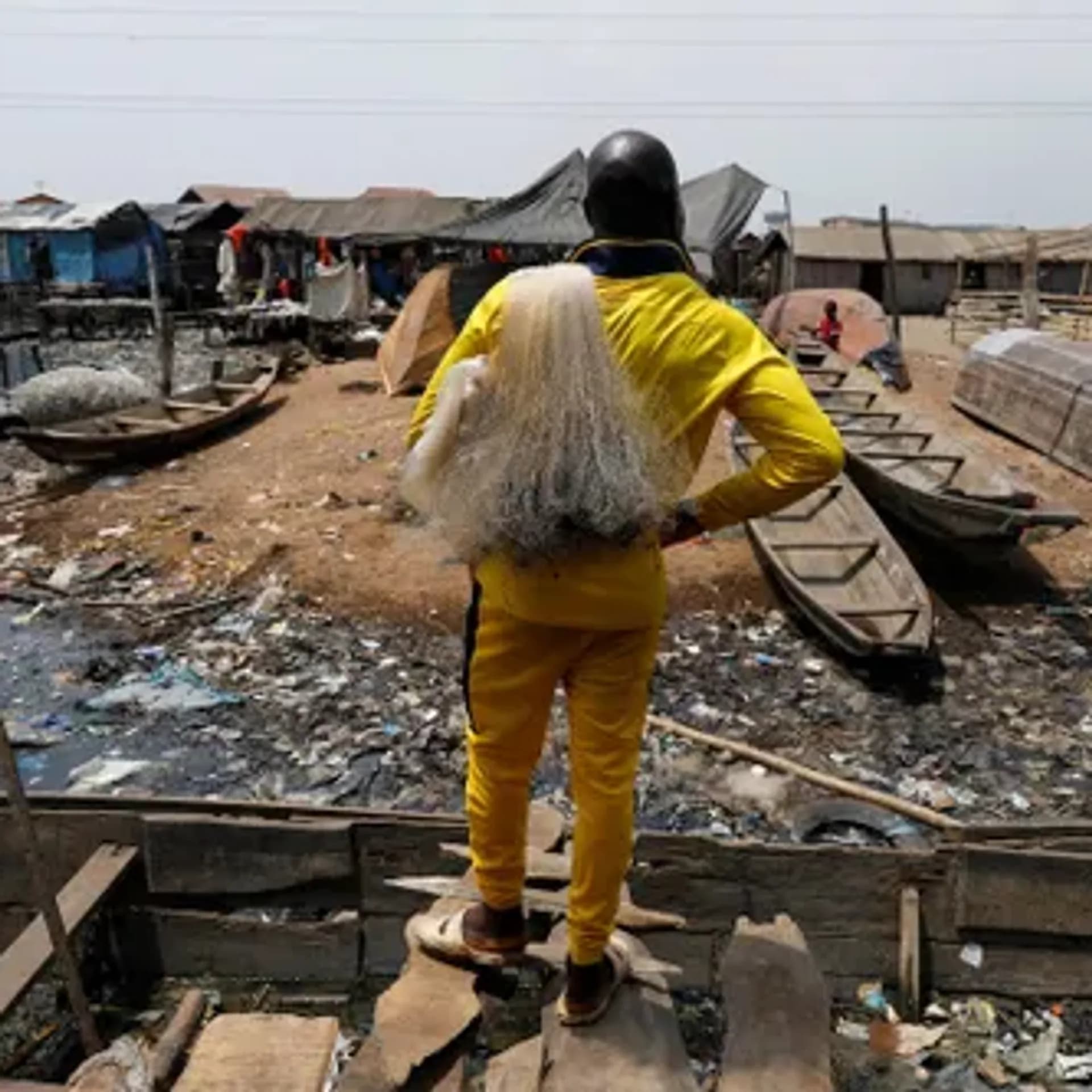
Spending time in Makoko completely reshaped how I understand the value of education. In a place where daily survival already demands so much from finding food to earning enough for the day you might expect school to feel like a luxury. But what I saw was the opposite. To many families in Makoko, education still matters deeply, not because life is easy, but because it is hard.
I watched parents who struggled through long, exhausting days still make time to ask their children about school. Some couldn’t read or write themselves, yet they insisted their children attend classes regularly and take their homework seriously. They saw education as something they were denied, and they were determined not to let the same thing happen to their children. Even when resources were limited, the belief in education remained strong.
What stood out to me was the hope education represents. Parents talked about school as a path to choices they never had better jobs, safer lives, and freedom from constant hardship. Education wasn’t just about passing exams; it was about breaking cycles. I heard mothers say they wanted their children to “suffer less than we did,” and fathers explain that learning could open doors beyond the lagoon.
Families also showed commitment through sacrifice. I saw school fees prioritized over personal needs, children encouraged to share books, and siblings helping one another study. Even small academic progress was celebrated because it symbolized movement forward. In homes where space was tight and conditions were tough, learning still found a place.
From my perspective, education in Makoko isn’t supported by abundance it’s supported by belief, resilience, and vision. Families hold onto it because it represents dignity, opportunity, and the possibility of a different future. Seeing that level of commitment in such challenging circumstances deeply changed how I view education and reminded me why it truly matters.