Africa's youth population is growing rapidly, with over 60% of the continent's population below the age of 25. However, this demographic dividend is also faced with significant challenges, including high levels of unemployment, poverty, and financial illiteracy. To break the cycle of poverty and secure their economic future, African youths must invest in themselves.
Financial illiteracy is a significant obstacle to financial inclusion and stability. Many African youths lack basic financial knowledge, making them vulnerable to predatory financial practices and debt traps. According to Richard Mullard, a financial consultant, "In the next 10-15 years, 90% of Nigerian youths will end up in poverty...due to financial illiteracy." This stark warning highlights the urgent need for financial education and literacy among African youths.
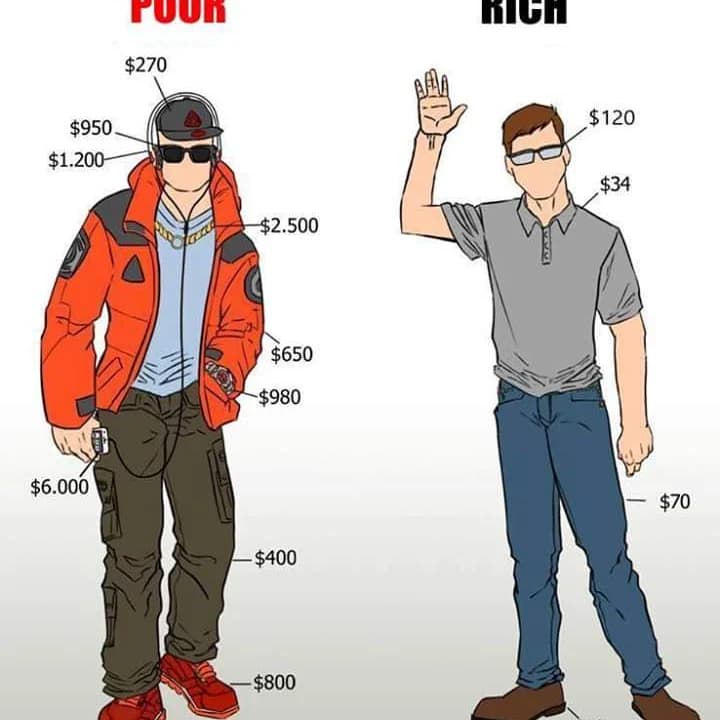
Robert Kiyosaki's quote, "The poor loves to buy things to make himself look rich, not knowing that it's those things that's keeping him poor," resonates with many African youths. The pressure to keep up with the latest trends and status symbols can lead to reckless spending and debt. However, true financial freedom requires a mindset shift, prioritizing long-term investments over short-term gratification.
Investing in oneself is the most critical investment African youths can make. Education, skills development, and personal growth are essential for future success. By acquiring new skills, building their knowledge, and developing a growth mindset, African youths can increase their earning potential, adapt to changing job markets, and create their own opportunities.
Financial inclusion is critical for African youths to break the cycle of poverty. Access to affordable financial services, such as savings accounts, loans, and investments, can help them manage risk, build wealth, and achieve their goals. Mobile banking, fintech, and digital financial services have expanded financial inclusion, but more needs to be done to reach the unbanked and underbanked.
Entrepreneurship and innovation offer African youths a chance to create their own opportunities, generate employment, and drive economic growth. By developing business skills, taking calculated risks, and leveraging technology, African youths can turn their passions into sustainable businesses and create a brighter future.
African youths must invest in themselves to break the cycle of poverty and secure their economic future. Financial literacy, education, skills development, financial inclusion, and entrepreneurship are essential for building a prosperous and resilient Africa. By prioritizing self-investment, African youths can create a brighter future for themselves and generations to come.