From the outside, game reserves look like clear wins.
Protected land. Thriving animals. Tourists paying to see “wild Africa.”
But game reserves are not neutral spaces.
They are economic systems — and every system has winners, losers, and people stuck in between.
So the real question isn’t whether game reserves are good.
It’s who they are good for.
⸻
The obvious beneficiaries: operators and investors
At the top of the system are:
• Private lodge owners
• Tour operators
• International investors
• Hospitality brands
They benefit from:
• Exclusive land access
• High-paying tourists
• Foreign currency earnings
• Brand value tied to “untouched nature”
For them, wildlife is an asset class.
Lions, elephants, and landscapes are part of a product offering.
When reserves are well-run, profits can be strong — but those profits rarely stay evenly distributed.
⸻
Governments gain, but unevenly
Governments benefit through:
• Park fees and licenses
• Tourism taxes
• International conservation funding
• National branding
In some countries, wildlife tourism is a major foreign exchange earner. In others, it barely registers.
But even where revenue is significant, it often:
• Stays centralized
• Gets absorbed into general budgets
• Fails to return to local communities
So while wildlife may “belong to the nation,” the financial benefits rarely reach the villages living next to it.
⸻
Local communities: closest to wildlife, last to benefit
This is the most uncomfortable layer.
Communities living around game reserves:
• Lose access to land
• Face crop destruction
• Deal with dangerous wildlife encounters
• Are restricted from hunting or grazing
In theory, they are compensated through:
• Jobs
• Community projects
• Revenue sharing
In practice:
• Jobs are limited and low-paying
• Revenue sharing is small or delayed
• Decision-making excludes locals
Many communities bear the costs of conservation without enjoying its profits.
When benefits are invisible, resentment grows quietly.
⸻
Conservation organizations sit in the middle
NGOs and conservation bodies play a complex role.
They:
• Secure funding
• Influence policy
• Run programs
• Provide expertise
They benefit through:
• Donor grants
• Institutional influence
• Long-term relevance
Many do meaningful work.
But they also shape priorities — sometimes more around donor expectations than local realities.
This can create systems that look successful on paper while failing socially on the ground.
⸻
Tourists benefit emotionally, not structurally
Tourists get:
• Experiences
• Photos
• Stories
• The feeling of contributing to conservation
They don’t see:
• Boundary conflicts
• Compensation failures
• Displaced communities
• Daily tension between people and animals
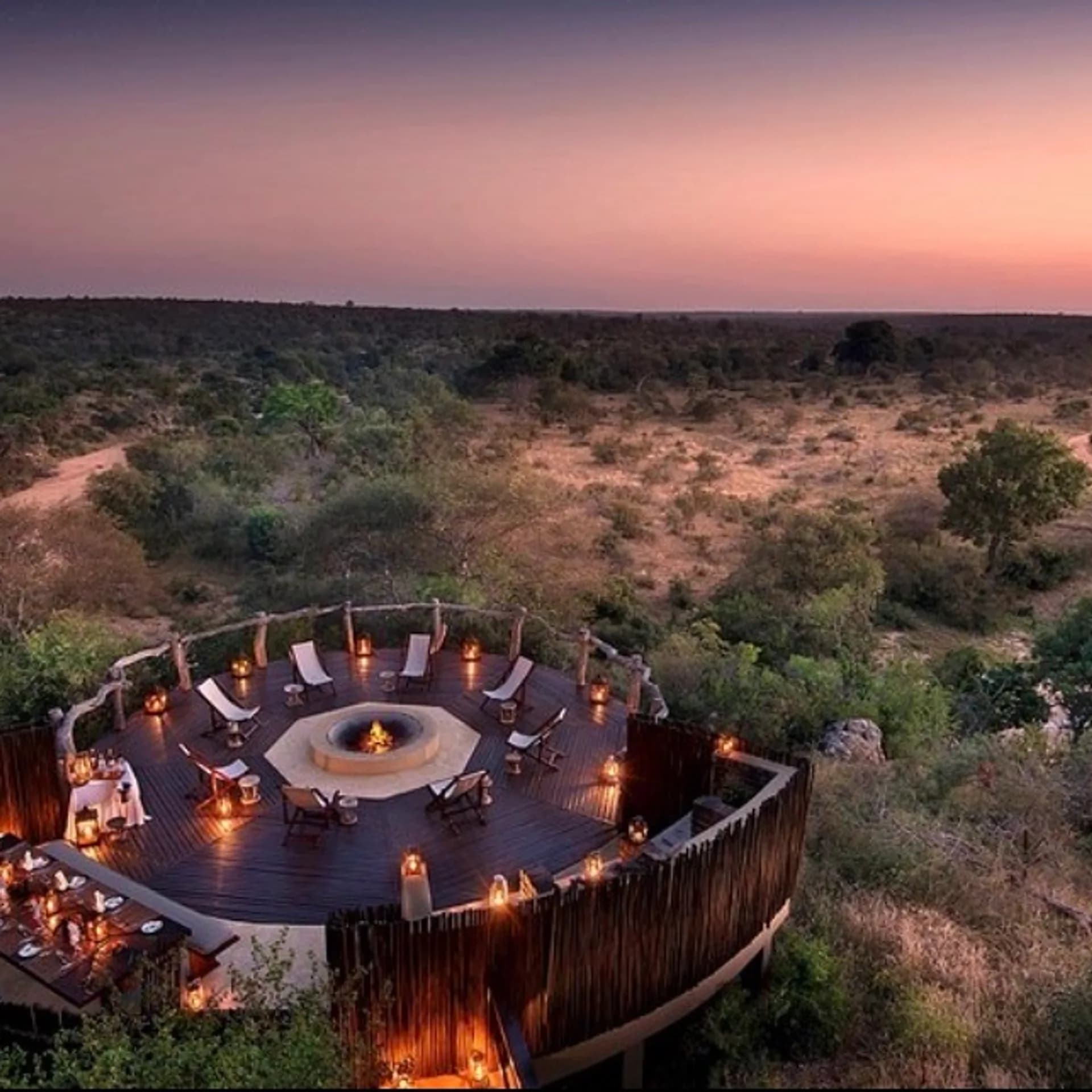
The safari experience is curated.
The consequences are not.
⸻
Why resentment quietly builds
Game reserves work best when wildlife is valuable to everyone involved.
They fail when:
• Animals generate profit for outsiders
• Damage for locals
• Rules for some
• Freedom for others
When communities see animals as threats protected by law, conservation becomes fragile.
People don’t sabotage reserves loudly.
They do it silently — through cooperation withdrawal, informants disappearing, or enforcement being ignored.
⸻
The few systems that work better
Where benefits are shared more evenly, patterns repeat:
• Communities own stakes in lodges
• Revenue sharing is automatic, not promised
• Locals are employed beyond menial roles
• Land-use decisions include residents
In these places, wildlife becomes a shared asset, not an imposed burden.
Protection follows naturally.
⸻
The deeper truth
Game reserves don’t fail because Africans don’t value nature.
They fail when economic incentives are misaligned.
Animals survive where:
• They create value locally
• Costs are compensated quickly
• Communities are treated as partners, not obstacles
Without that, reserves become islands of protection surrounded by quiet hostility.