Borehole water issues often appear suddenly. Brown or cloudy water usually triggers panic drilling or expensive filtering. Most cases have simpler causes. This guide breaks down what residents see, what it means, and what usually fixes it.
What brown borehole water usually means
• Disturbed sediment after heavy pumping
• Rust from old casing pipes
• Collapsed borehole walls
• Nearby construction activity
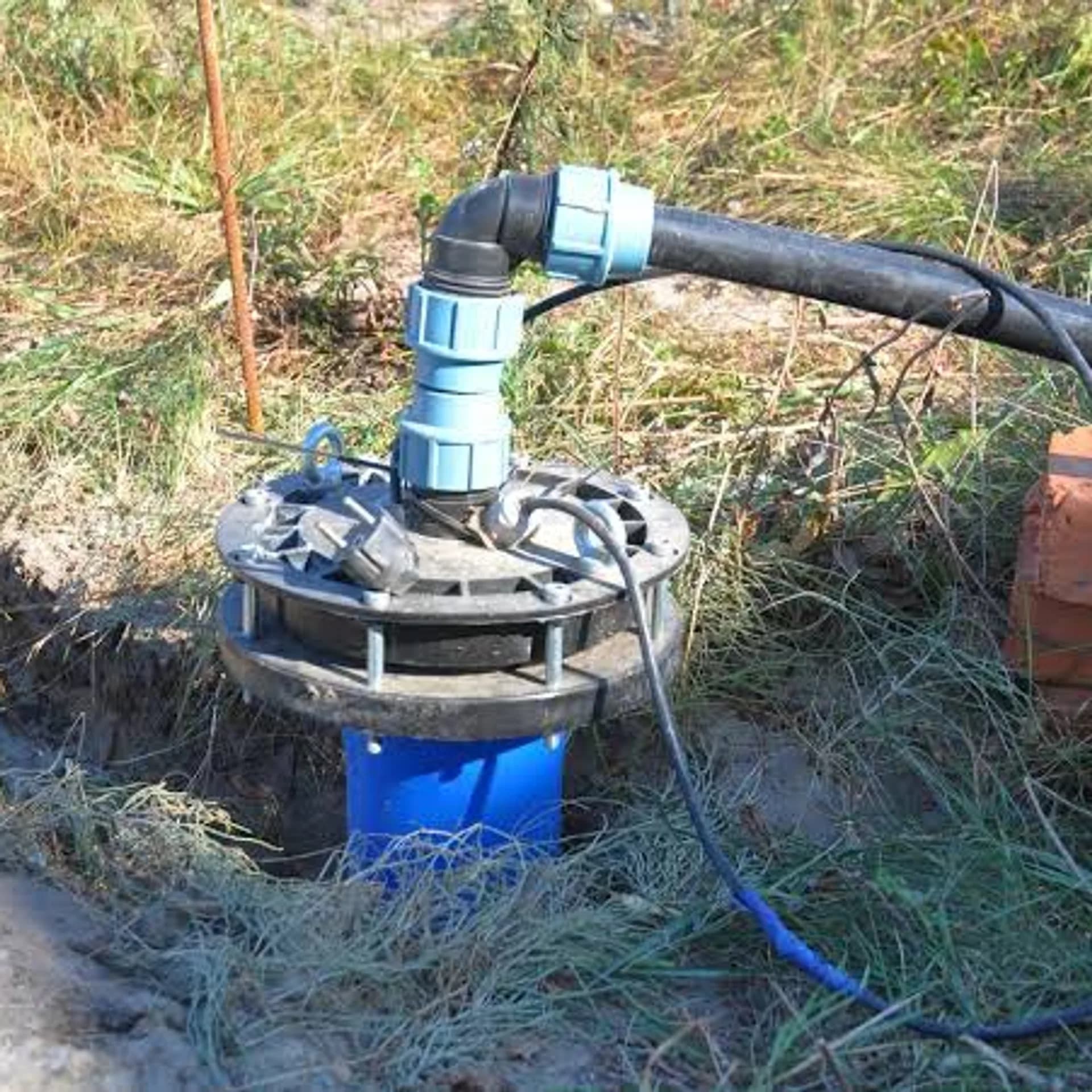
• Pump depth mismatch
Not every case requires re-drilling.
What people notice first
• Water clears after a few minutes
• Water stains buckets or tiles
• Metallic smell
• Reduced pressure
These signals help narrow the cause.
What residents check before calling anyone
• Time of appearance, sudden or gradual
• Whether neighbors have same issue
• Pump run duration
• Recent drilling or construction nearby
This saves inspection cost.
Common fixes people use
Flushing and resting
• Pump water out for a short period
• Allow borehole to settle
• Often works after construction nearby
Pump depth adjustment
• Pump lowered or raised slightly
• Prevents sediment intake
Pipe and casing inspection
• Rusted pipes replaced
• Loose joints sealed
Filtration as last step
• Only after source issue confirmed
• Prevents masking bigger problems
Typical cost range
• Flushing and inspection: N5k–N10k
• Pump adjustment: N8k–N15k
• Pipe replacement: N15k–N30k
• Filtration system: N60k and above
Prices vary by access and depth.
Red flags to avoid
• Immediate re-drilling suggestion
• No explanation of cause
• Quoting without inspection
• Selling filters before diagnosis
What residents do long term
• Periodic flushing
• Avoid over-pumping
• Monitor water clarity monthly
• Keep drilling records