



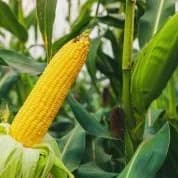
Maize is one of the most widely cultivated crops in Nigeria because of its versatility, high demand, and profitability. However, planting maize at the wrong time can lead to poor germination, pest attacks, low yields, and financial losses. Knowing the right planting season is one of the most important steps for a successful maize harvest.
In Nigeria, the best time to plant maize largely depends on the region and rainfall pattern. In the southern part of the country, where rainfall starts earlier, maize is usually planted between March and April for the first season. Farmers can also plant a second cycle around August to September in areas with longer rainy seasons.
In northern Nigeria, where rainfall begins later and the dry season is longer, the ideal planting time is usually between May and June. This allows the maize crop to take advantage of the rainy season for proper growth and grain development.
Before planting maize, farmers should ensure the rains are stable. Planting too early before consistent rainfall can cause seeds to dry out, while planting too late may expose crops to drought stress or early cessation of rains before maturity.
By understanding your region’s weather pattern and following the right planting schedule, farmers can increase productivity, reduce risks, and achieve better profits from maize cultivation.