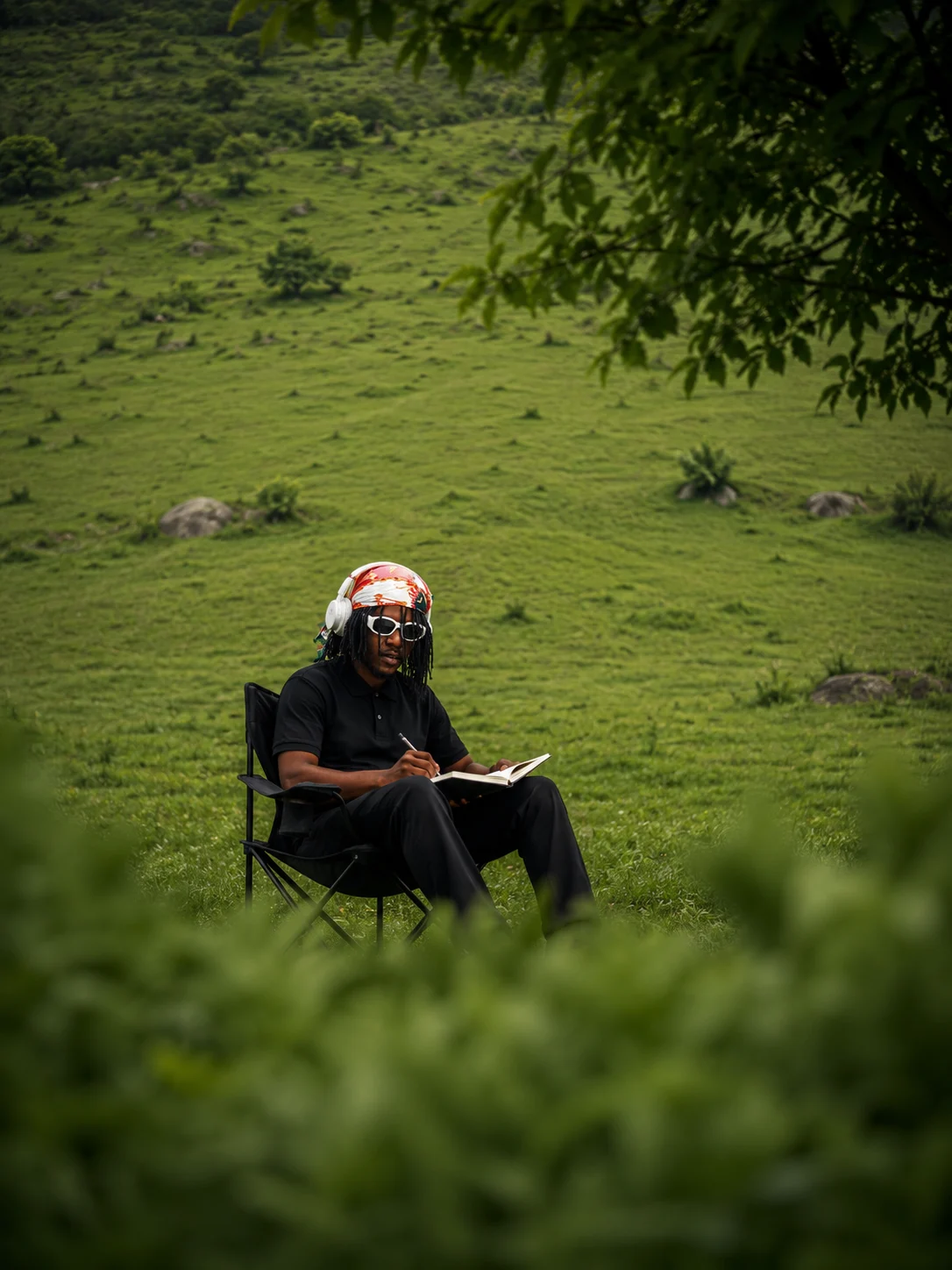
By Oluwatobiloba Gideon Oludayomi
There is a season in every serious life when you will be tempted to explain yourself to people who never asked with sincerity, and would not understand even if you tried. I have stood in that season. I have opened my mouth to defend a decision or action that needed no defense, only to watch the person nod and still walk away thinking whatever they came to think. That day taught me something I now hold as law. Not everybody who questions you deserves an answer. Some are asking to understand. Others are asking to trap or catch you.
I grew up believing that a good explanation could fix any misunderstanding. If I just found the right words, laid out my reasons clearly, people would see what I saw and peace would follow. Life has since corrected that belief, gently but firmly. Some people do not lack information. They lack the will to receive it. You can hand a closed heart the clearest truth in the world, and it will still find a way to twist it.
Over explaining is exhausting, and it is often a symptom, not the real problem. The real problem underneath is usually fear. Fear of being misjudged. Fear of losing approval. Fear of conflict. So we talk and talk, hoping that enough words will finally purchase peace from people who were never actually at war with our decisions, only with our freedom to make them without their permission.
Solomon understood this long before social media turned everyone into a jury. He wrote, "Do not answer a fool according to his folly, or you yourself will be just like him." Proverbs 26 verse 4. There is wisdom in knowing that some conversations are traps disguised as questions. You do not owe every voice a response, especially the ones shouting from outside your assignment.
Even Jesus, who had every answer, chose silence more than once. When He stood before Pilate, surrounded by accusations, Scripture records that He gave no answer, not even to a single charge, to the great amazement of the governor. Matthew 27 verse 14. If the Son of God did not feel obligated to defend Himself to a man who had already made up his mind, what makes us think we owe endless justification to people who came with the same closed mind.
Somewhere along the line we confused silence with guilt. We started believing that a person who does not explain must be hiding something. But sometimes silence is not concealment. It is discernment. It is the quiet confidence of someone who has done the math and realized that some audiences are not qualified to judge the case.
Here is a line I return to often. Explaining yourself to someone determined to misunderstand you is like reading a bedtime story to someone who is only pretending to sleep. You will tire before they ever wake up to the truth.
There is also a difference between accountability and appeasement. Accountability is owed to those who walk with you, who carry weight in your life, who have earned the right to ask hard questions because they also carry part of the consequences. Appeasement is what we offer to spectators, people who have no investment in your outcome but plenty of opinions about your process. Learn to tell the two apart. It will save you years of unnecessary performance.
I have watched people abandon clear instructions from God because a relative could not understand the decision. I have watched businesses die slowly because the owner kept trying to satisfy critics instead of serving customers. I have watched marriages strain because one partner spent more energy defending their character to outsiders than nurturing the relationship with the one who actually mattered.
This is the deeper truth many miss. What looks like a communication problem is often a discernment problem. We think we need better words. What we actually need is better judgment about who deserves our words at all.
There is a kind of freedom that comes when you stop performing your reasons for an audience that was never going to clap. You start moving lighter. You start making decisions based on conviction rather than the fear of being misread. That shift alone can add years back to your peace.
Before you explain yourself next time, ask three questions. Does this person have genuine influence in this matter, or only opinion. Will this explanation change their heart, or only feed their argument. Am I explaining to clarify, or am I explaining to be approved.
If the answers point to opinion, argument, and approval, save your breath. Some doors do not need a key. They need to stay closed.
You are not obligated to make everyone comfortable with your growth. Growth by nature disturbs the comfort of people who benefited from your old shape. Let them be disturbed. Your assignment is not to keep everybody calm. Your assignment is to keep walking in what you know to be true, quietly, steadily, without needing a courtroom of strangers to validate the walk.
Silence, used wisely, is not the absence of an answer. It is the presence of discipline.
I would love to hear from you. When was the last time you almost explained yourself to someone who did not deserve the explanation, and what stopped you, or what did it cost you when you didn't stop. Drop your story in the comment section Someone reading this today needs to hear that they are not alone in learning this lesson.
* * *
Oluwatobiloba Gideon Oludayomi is a life coach, a practical writer, and a versatile entrepreneur creating wealth solutions through agriculture, real estate, and enterprise. He is the Convener of the Dominion Guild Network, an ecosystem of high value individuals, young and determined to becoming an empowered generation. He is the author of 'Build It to Last', 'I Thought I Married a Wife' (a novel), and 'Practical Love.'