What we do in the last 60 to 90 minutes of the day acts as a direct remote control for our sleep quality, metabolism, and mental health. Setting up a solid nighttime routine isn't about an overwhelming 10-step checklist; it's about signaling to your nervous system that it is safe to power down.
Healthy habits to build into your evening
The Nighttime Power-Down Flow
To make this practical, we can look at the ideal bedtime routine as a step-by-step transition from the high energy of the day to deep, restorative sleep.
1. The Digital Sunset
60 minutes before bed
Turn off bright overhead lights and switch to warm, dim lamps. Crucially, put away phones, tablets, and laptops. The blue light emitted by these screens tricks your brain's pineal gland into thinking it's still daytime, suppressing the release of melatonin (the hormone that makes you sleepy) by up to 50%.
2. Lower Your Core Temperature
45 minutes before bed
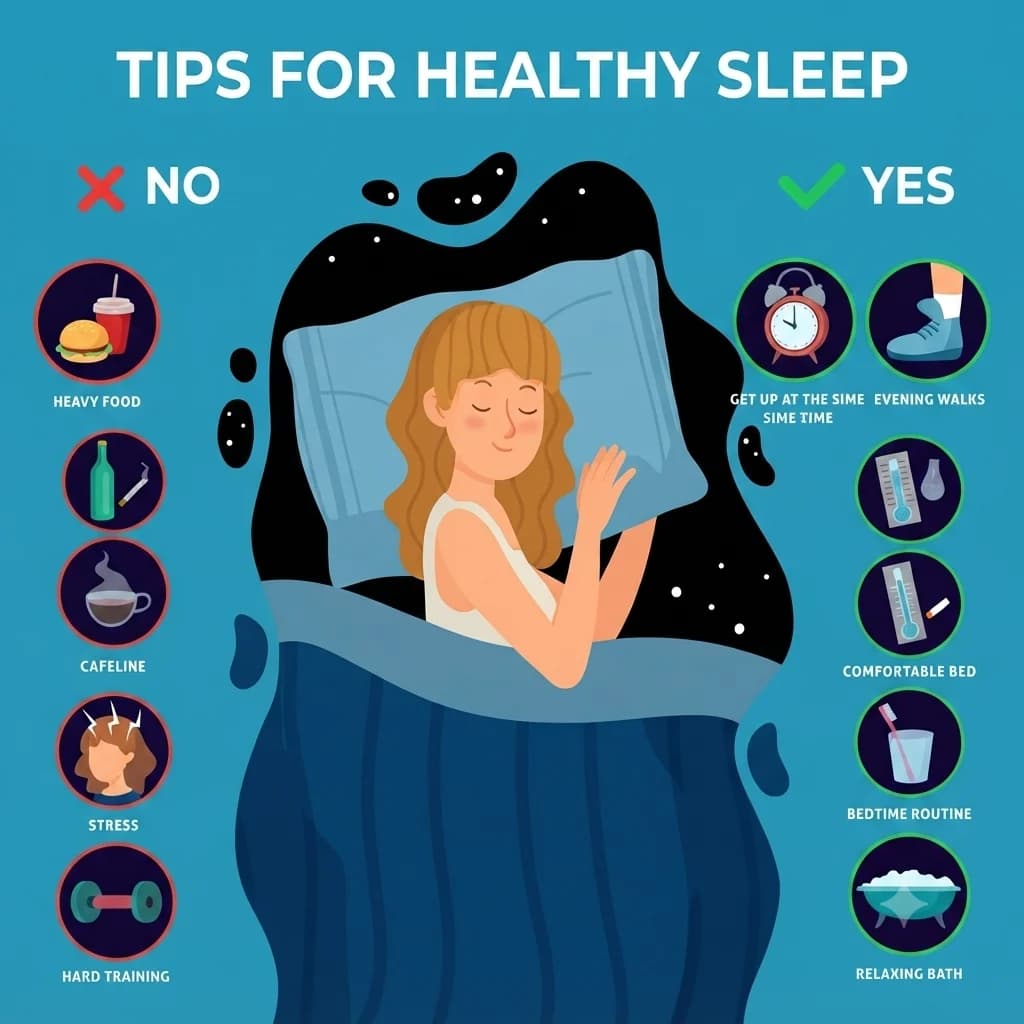
Take a warm shower or bath. While it sounds counterintuitive, the hot water dilates your blood vessels, causing heat to escape your body rapidly once you step out. This rapid drop in core body temperature mimics the body's natural temperature drop before sleep, acting as a powerful physical trigger for sleepiness.
3. Oral Hygiene & Hydration
30 minutes before bed
Brush and floss. Beyond keeping your teeth clean, dental plaque buildup is linked to systemic cardiovascular inflammation. Pair this with a very small glass of water or unsweetened herbal tea (like chamomile) to prevent nighttime dehydration, but don't overdo it to avoid middle-of-the-night bathroom trips.
4. Decompress Your Mind and Body
15 minutes before bed
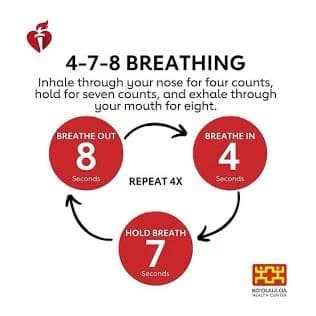
Engage in a low-stimulation activity. This is the perfect time for light, static stretching or breathing exercises (like the 4-7-8 technique—inhale for 4 seconds, hold for 7, exhale slowly for 8). This actively shifts your autonomic nervous system out of "fight or flight" (sympathetic) and into "rest and digest" (parasympathetic).
Critical Don'ts in the 3 Hours Before Bed
Sometimes, what you don't do is even more important than what you do. To get the most out of your night, keep these boundaries in mind:
Avoid Heavy, Spicy Foods:Digesting a large, heavy meal requires massive energy and elevates your core body temperature. It also increases the risk of acid reflux when you lie down. Keep late snacks light—think a handful of almonds or a banana.
Cut Caffeine Early: Caffeine has a half-life of about 5 to 7 hours. A cup of coffee or strong tea late in the afternoon can still block your brain's sleepiness receptors (adenosine receptors) late into the night. Try to cut off caffeine at least 8 to 10 hours before your planned bedtime.
Skip High-Stress Activities: Checking work emails, looking at your financial spreadsheets, or arguing on social media right before bed spikes cortisol (the stress hormone), completely overriding your body's natural urge to sleep. Keep the bedroom a sanctuary for relaxation.
Easy, 5-minute breathing exercises and light stretches you can do in bed to fall asleep faster
Preparing your body for sleep is all about switching off your sympathetic nervous system (the fight or flight response) and activating the parasympathetic nervous system (the rest and digest state).
You don't even need to get out of bed to do these. They are designed to be done right on your mattress to ease physical tension and quiet a racing mind.
The 3-Minute Bedtime Stretch Routine
1. Child's Pose (Balasana) – 1 Minute
* How to do it: Kneel on your bed, touch your big toes together, and sit back on your heels. Separate your knees about hip-width apart. Fold forward, letting your chest rest down toward the mattress, and stretch your arms out long in front of you.
* Why it works: It gently stretches the lower back and hips while turning your attention inward, creating an immediate sense of safety and calm.
2. Supine Spinal Twist – 1 Minute (30 seconds per side)
* How to do it: Lie flat on your back and hug your right knee to your chest. Gently drop your right knee over to the left side of your body. Extend your right arm out to the right like a "T" and look toward your right hand. Keep your shoulders flat on the bed. Repeat on the other side.
* Why it works: Twists help release deep tension along the spine and stimulate digestion, helping your body settle physically.
3. Legs-Up-the-Wall (or Bedboard) – 1 Minute
* How to do it: Scoot your hips close to your headboard or a nearby wall and swing your legs straight up so they rest flat against it. Let your arms rest comfortably by your sides, palms facing up. Keep your knees slightly soft.
* Why it works: This is the ultimate restorative pose. It reverses blood flow, relieves pooling fluid and tension in the legs, and lowers your heart rate almost instantly.
The 2-Minute Breath Down
Once you finish your stretches and are lying comfortably under the covers, transition into this clinically proven breathing technique.
*The 4-7-8 Breathing Technique
This specific breathing ratio acts as a natural tranquilizer for the nervous system. The elongated, 8-second exhale forces your heart rate to slow down.
* Step 1: Close your eyes and empty your lungs of air.
* Step 2: Inhale quietly through your nose for a count of 4 seconds.
* Step 3: Hold your breath gently for a count of 7 seconds.
* Step 4: Exhale completely through your mouth, making a soft whoosh sound, for a count of 8 seconds.
* Step 5: Repeat this cycle 4 times total.
As you do this, focus entirely on the physical sensation of the air moving in and out of your body. If your mind wanders to tomorrow's to-do list, simply acknowledge the thought and gently bring your focus back to the count.