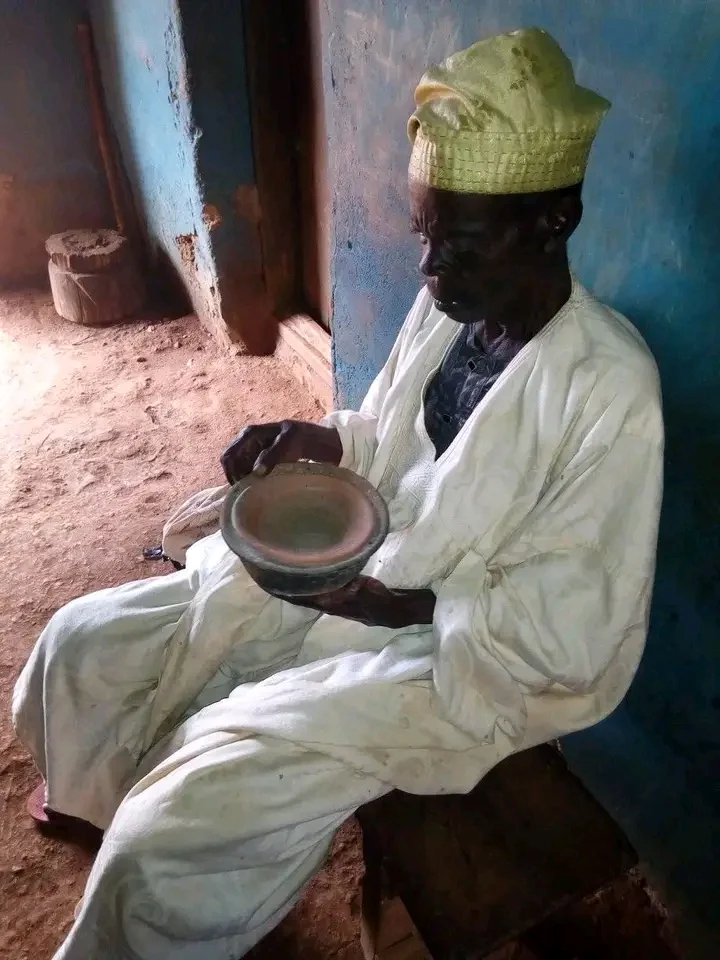
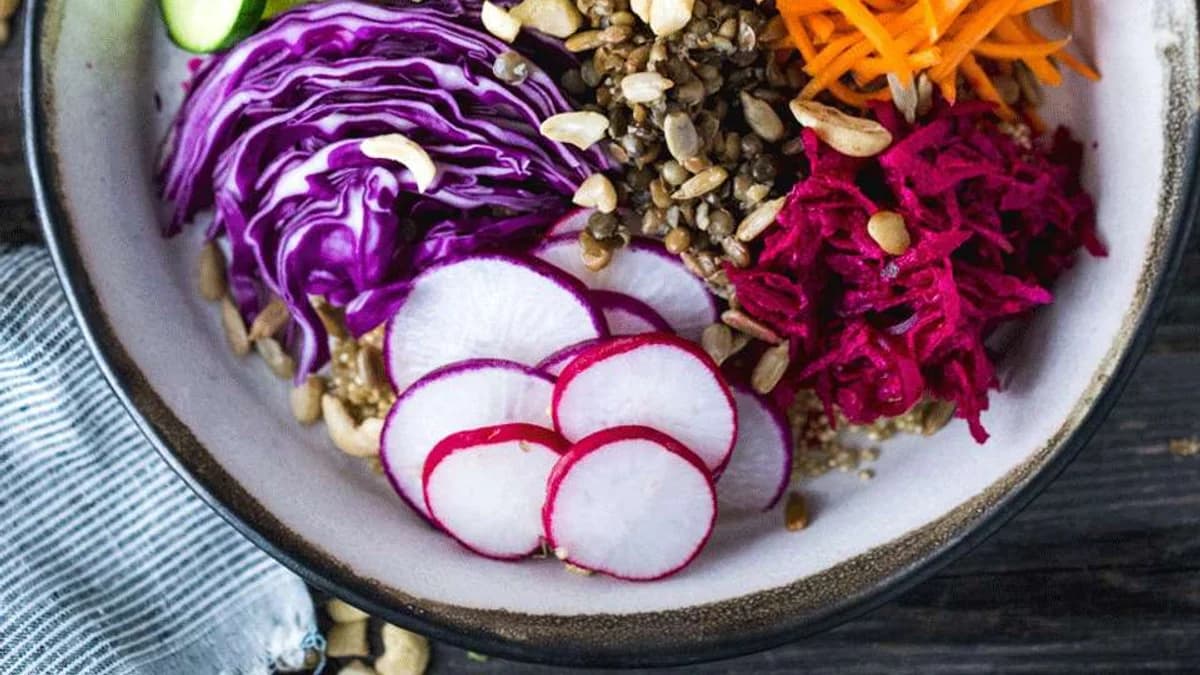
Someone with cancer does not just need “something to eat.”
They need the right nutrition strategy.
One of the biggest mistakes we make is telling a person with cancer, “Just eat anything so you can have strength,” or “Stop eating sugar because sugar feeds cancer.”
The truth is more complicated and nutrition can make a real difference.
Cancer and nutrition: what should you actually know?
1. Cancer can affect nutrition
Cancer itself and treatments such as chemotherapy, radiotherapy and surgery can affect appetite, taste, swallowing, digestion and how the body uses nutrients.
This can lead to reduced food intake, weight loss and loss of muscle.
That is why nutrition should be considered part of cancer care, not an afterthought. International clinical nutrition guidelines recommend assessing nutritional status and providing appropriate nutritional support when needed.
2. “Sugar feeds cancer” is not a reason to stop eating carbohydrates
This is one of the most common things I hear.
Your body needs glucose for energy, and carbohydrates are part of a normal diet.
A person with cancer should not automatically remove rice, yam, potatoes, maize, oats, plantain or other carbohydrate foods simply because they contain carbohydrates.
The bigger question is:
Can the person meet their energy and protein needs with a balanced diet?
3. Weight loss during cancer is not always a good thing
Someone may think:
“Cancer patient is losing weight, so that means the cancer is leaving the body.”
No.
Unintentional weight loss can be a sign that the person is not eating enough or is experiencing cancer-related nutritional problems.
For some patients, maintaining adequate energy and protein intake and protecting muscle becomes particularly important.
4. Protein matters
Protein helps support muscles and other body tissues.
Depending on the individual's condition, suitable Nigerian protein sources can include:
Eggs
Fish
Chicken
Beans
Moi-moi
Akara
Soybeans
Milk and yoghurt
Groundnuts and other nuts
Lentils
The exact amount should be individualized, especially when kidney or liver problems are also present.
5. Don't abandon Nigerian food
A cancer diagnosis does not automatically mean someone must start eating expensive imported “cancer foods.”
You can build nutritious meals from foods available locally.
For example:
Rice + beans + fish + vegetables
Boiled yam + egg sauce + vegetables
Ogi + moi-moi + egg
Amala + ewedu + fish
Tuwo shinkafa + miyan kuka + fish
Boiled plantain + beans + fish
Semo + okra soup + fish
Pounded yam + vegetable-rich soup + fish
Ukwa + vegetables + fish
Afang or edikang ikong + a suitable portion of swallow + fish
The goal is not to find one magical food.
The goal is to build an adequate, varied diet that the person can tolerate.
6. Don't force food when someone is struggling to eat
Cancer treatment can cause nausea, vomiting, mouth sores, dry mouth, changes in taste and difficulty swallowing.
Instead of simply saying “You must eat,” find out WHY the person cannot eat.
Sometimes changing texture, temperature, meal size, seasoning or meal frequency can make eating easier.
A dietitian can help individualize this.
7. Be careful with herbal mixtures and supplements
A cancer diagnosis can make people desperate for anything that promises a cure.
But “natural” does not automatically mean safe.
Some herbs and supplements may interact with medications or cancer treatment.
Do not replace prescribed cancer treatment with herbal remedies or unproven “cancer cures.”
Discuss supplements and herbal products with the patient's healthcare team.
8. Food is not a cure for cancer
This is extremely important.
No Nigerian food, fruit, vegetable, seed, herb or juice should be advertised as a cure for cancer.
Nutrition supports the person's nutritional status, strength, treatment tolerance and overall wellbeing.
Cancer treatment itself depends on the type and stage of cancer and may involve surgery, chemotherapy, radiotherapy, targeted therapy, immunotherapy or other approaches.
9. What about fruits and vegetables?
They can absolutely be part of a healthy diet.
Depending on tolerance, options include:
Ugu
Ewedu
Okra
Waterleaf
Afang
Bitterleaf
Spinach
Carrot
Cucumber
Garden egg
Pawpaw
Watermelon
Orange
Mango
Banana
Pineapple
Avocado
But if someone has mouth sores, swallowing problems, diarrhoea, bowel problems or another treatment-related complication, their diet may need to be temporarily modified.
10. The most important message
If someone you know has cancer, don't just ask:
“What food can cure cancer?”
Ask:
“Is the person eating enough?”
“Are they losing weight?”
“Are they losing muscle?”
“Can they swallow comfortably?”
“Are they experiencing nausea, vomiting or diarrhoea?”
“Has their taste changed?”
“Are they able to tolerate their usual foods?”
“Do they need help from a dietitian?”
These questions can be much more useful.
Final takeaway:
Cancer nutrition is not about starving the cancer.
It is not about buying expensive “superfoods.”
It is not about completely abandoning Nigerian foods.
It is about helping the person get the energy, protein, fluids and nutrients they need, while adapting the diet to their cancer, treatment, symptoms and medical condition.
If you or someone close to you is living with cancer, please don't wait until severe weight loss occurs before asking for nutritional support.
Have you ever heard someone say, “Don't eat sugar because sugar feeds cancer”?
Tell me in the comments what cancer-and-food advice you've heard before. Let's separate facts from myths together.