
By Oluwatobiloba Gideon Oludayomi
I want to start with something simple. Something that has followed me for years, through churches, through conversations, through quiet moments alone with my thoughts.
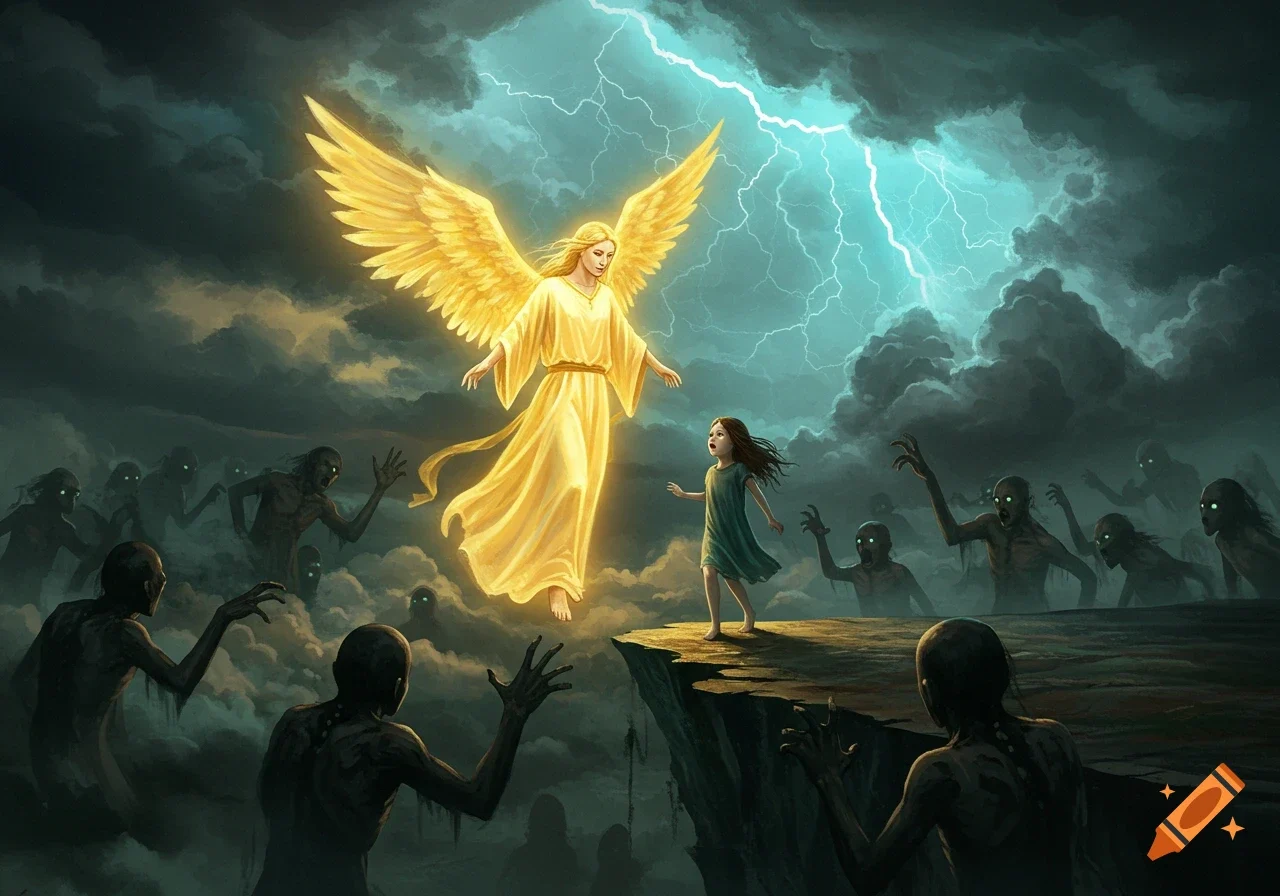
The church can only make you a Christian by title. It cannot make you a Christian by virtue. And it is virtue, not title, that makes a man valuable and attractive in the circle of men.
Let that sit for a moment.
I have sat in churches beside men who could quote scripture faster than I could open my Bible. I have watched people rise to pulpits and platforms, dressed in the language of faith, carrying titles that sound heavy and holy. And yet, outside those walls, in the marketplace, in the home, in the quiet dealings where no one is watching, something was missing. The title was loud. The virtue was silent.
This is not an attack. I am not writing to correct anyone. I am writing to open a conversation, because I believe most of us have asked this question in private, even if we never said it out loud. What does it really mean to be a Christian.
A title can be inherited. You are born into a Christian home, you are baptized, you are confirmed, you carry the name. None of that required your character to change. It only required your presence.
Virtue is different. Virtue is built, slowly, in the places nobody applauds. It is built when you choose honesty over profit. It is built when you forgive a man who wronged you and never announce it. It is built when you keep your word even when keeping it costs you something.
The scripture puts it plainly. In Matthew 7 verse 20, Jesus says, "Yes, just as you can identify a tree by its fruit, so you can identify people by their actions." Not by their name tag. Not by their church attendance record. By their fruit.
This is the part many of us skip past too quickly. We assume fruit means big, visible acts of ministry. But fruit is quieter than that. Fruit is how you treat your driver. Fruit is what you do when a business deal favors you unfairly and you correct it anyway. Fruit is patience with a spouse who is still growing. Fruit is small, repeated, and unseen by the crowd.
Here is something I have learned from years of coaching people and studying human behavior. What we see on the surface is rarely the real story.
When a man is rude, unkind, or dishonest in business, that behavior is a symptom. The real cause is hidden underneath. It could be fear. It could be insecurity dressed as pride. It could be an unhealed wound from years ago that nobody addressed. The church often treats the symptom. It tells the man to behave better, to smile more, to say the right words on Sunday. But it rarely goes deep enough to touch the root.
True Christianity, the kind that produces virtue, is not interested in managing symptoms. It is interested in transformation from the inside. Paul wrote it clearly in Romans 12 verse 2, "Don't copy the behavior and customs of this world, but let God transform you into a new person by changing the way you think." Notice the order. Thinking changes first. Behavior follows.
This is why so many people can attend church for decades and remain unchanged. They memorized the culture. They never renewed the mind. And a man whose mind is not renewed will always return to his old patterns, no matter how many titles he carries.
Think about the people you genuinely respect in your life. Not the people with the loudest voice or the most impressive title. The people you actually trust.
I can almost guarantee they are not respected because of what they call themselves. They are respected because of how they show up. Their word is their bond. Their character does not shift depending on who is watching. There is a consistency in them that makes you feel safe.
That consistency is virtue. And virtue is magnetic in a way that title can never be. A title impresses for a season. Virtue earns trust for a lifetime.
I say this often to the young men and women I mentor in the Dominion Guild Network. Your name will open doors, but your character will decide if you stay in the room. Nobody keeps doing business with a dishonest man simply because he calls himself a believer. People return to those who prove, again and again, that their yes means yes and their no means no.
I grew up watching my elders separate the noise of religion from the substance of faith, though nobody explained it to me in those terms at the time. I only understood it later, after years of running businesses, building a farm, sitting across tables with men who wore faith like a costume and men who lived it like breath.
The difference was never in what they said. It was in what they did when it cost them something. A man who is only a Christian by title will abandon his integrity the moment it becomes expensive. A man whose Christianity has become virtue will hold the line even when nobody is there to witness it.
I have made this my own quiet standard. Not perfection, because I am still growing, still learning, still failing in places. But a commitment to let my character be shaped from the inside rather than performed from the outside.
Here is where I want to leave you, not with an answer, but with a question, because that is how real change begins.
If your title was removed today. If nobody called you a Christian, if you lost every religious label attached to your name, would your behavior stay the same?
Would you still be honest in that business deal? Would you still forgive that offense? Would you still treat people with dignity when there is nothing to gain from it?
If the answer makes you uncomfortable, good. Discomfort is often the beginning of clarity. The scripture in 2 Corinthians 13 verse 5 puts the challenge directly, "Examine yourselves to see whether you are in the faith. Test yourselves." Not to condemn yourself, but to see clearly, because you cannot fix what you refuse to face.
A title can be printed on a card. Virtue is printed on a life.
The church gives you a name. Only obedience, patience, and consistent character give you value. And it is value, not vocabulary, that men respect in the end.
I would love to hear your honest thoughts on this. Have you seen this gap between title and virtue in your own life or community. Drop a comment and let us reason together, because this conversation is bigger than one article, and I believe every voice sharpens the next.
* * *
Oluwatobiloba Gideon Oludayomi is a life coach, a practical writer, and a versatile entrepreneur creating wealth solutions through agriculture, real estate, and enterprise. He is the Convener of the Dominion Guild Network, an ecosystem of high value individuals, young and determined to becoming an empowered generation. He is the author of "Build It to Last", "I Thought I Married a Wife" (a novel), and "Practical Love."