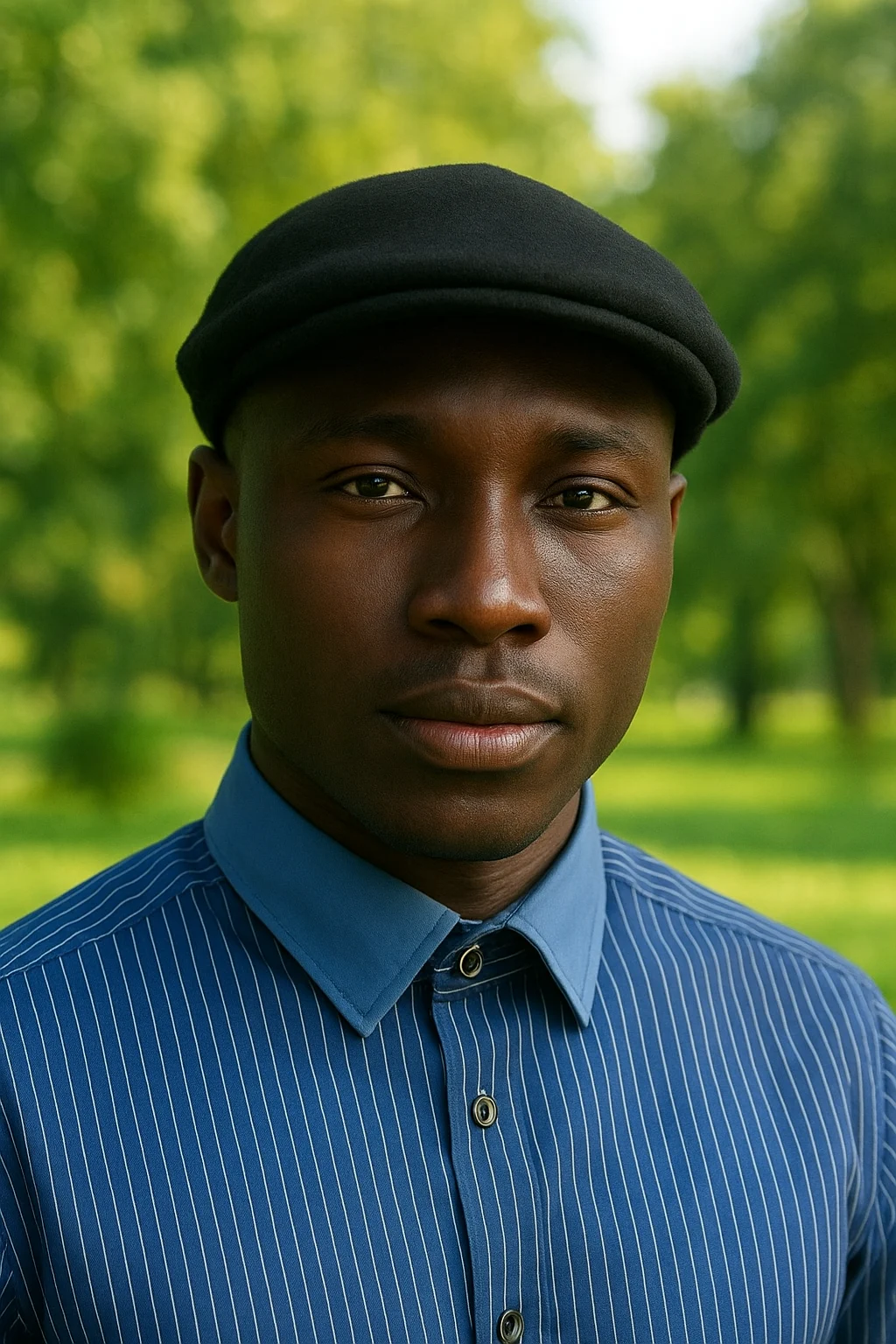
Imagine that someone was following you around for one week.
They watched how you spoke to people.
They watched how you treated your family.
They watched what you did when nobody was watching.
They observed how you behaved when you were angry.
They saw how you handled money.
They watched how you treated people who could do nothing for you.
They listened to the promises you made and observed whether you kept them.
At the end of the week, imagine that person said:
"I want to become exactly like you."
Would you be proud?
That question can be uncomfortable.
We often think about the lessons we teach with our words.
But people also learn from our behaviour.
A child may learn honesty by watching a parent tell the truth.
A young employee may learn responsibility by watching a supervisor accept accountability.
A friend may learn loyalty by watching how we treat people who are absent.
A business partner may learn integrity by observing how we handle money.
People are watching—not necessarily because they are judging us, but because our actions communicate what we believe is acceptable.
This doesn't mean you have to become perfect.
Nobody is perfect.
You will make mistakes.
You will sometimes lose your temper.
You will make decisions you later regret.
What matters is whether you are willing to recognize your mistakes, learn from them, and become better.
Being a good example isn't about pretending to have everything together.
It is about living in a way that makes your values visible.
If you tell people to be honest but regularly lie when it benefits you, your actions are teaching a stronger lesson than your words.
If you tell young people to work hard but constantly look for shortcuts, they will notice.
If you complain about corruption but participate in dishonest practices whenever they benefit you, you are sending a message.
The world doesn't only need people who can tell others what is right.
It needs people who are willing to practice what they teach.
So ask yourself:
If others were like you, what kind of families would we have?
What kind of workplaces?
What kind of communities?
What kind of society?
Perhaps the greatest question isn't:
"What is wrong with the world?"
Perhaps it is:
"What am I personally contributing to the world?"
You may not be able to change everyone.
You may not be able to solve every social problem.
But you can choose what kind of example you will be.
And sometimes, changing the world begins with something much smaller than we imagine.
It begins with one person deciding:
"I will become the kind of person I would be proud for others to imitate."
CALL TO ACTION
Take five minutes today and honestly examine your actions.
If someone copied your attitude, habits, honesty, work ethic, and treatment of others, would you be comfortable with the result?
Don't focus on perfection.
Identify one area where you can become a better example and start working on it today.
Because the question behind this entire journey remains:
If others were like you, what kind of world would we have?
If this article challenged you, share it with someone who believes that positive change begins with personal responsibility.