If you were in Nigeria in 2014, you probably remember the fear.
People stopped shaking hands. Some schools closed. Hand sanitizers suddenly appeared everywhere.
For weeks, Ebola was all anyone could talk about. What many people don’t know is just how close Nigeria came to a major public health disaster.
It all started when a Liberian-American government official arrived in Lagos through Murtala Muhammed International Airport while infected with the Ebola virus.
At the time, Lagos was already one of the busiest and most densely populated cities in Africa. The potential for a large-scale outbreak was enormous.
Yet Nigeria managed to stop it.
Health workers tracked hundreds of contacts across Lagos and Port Harcourt. People who had been exposed were monitored daily. Suspected cases were isolated.
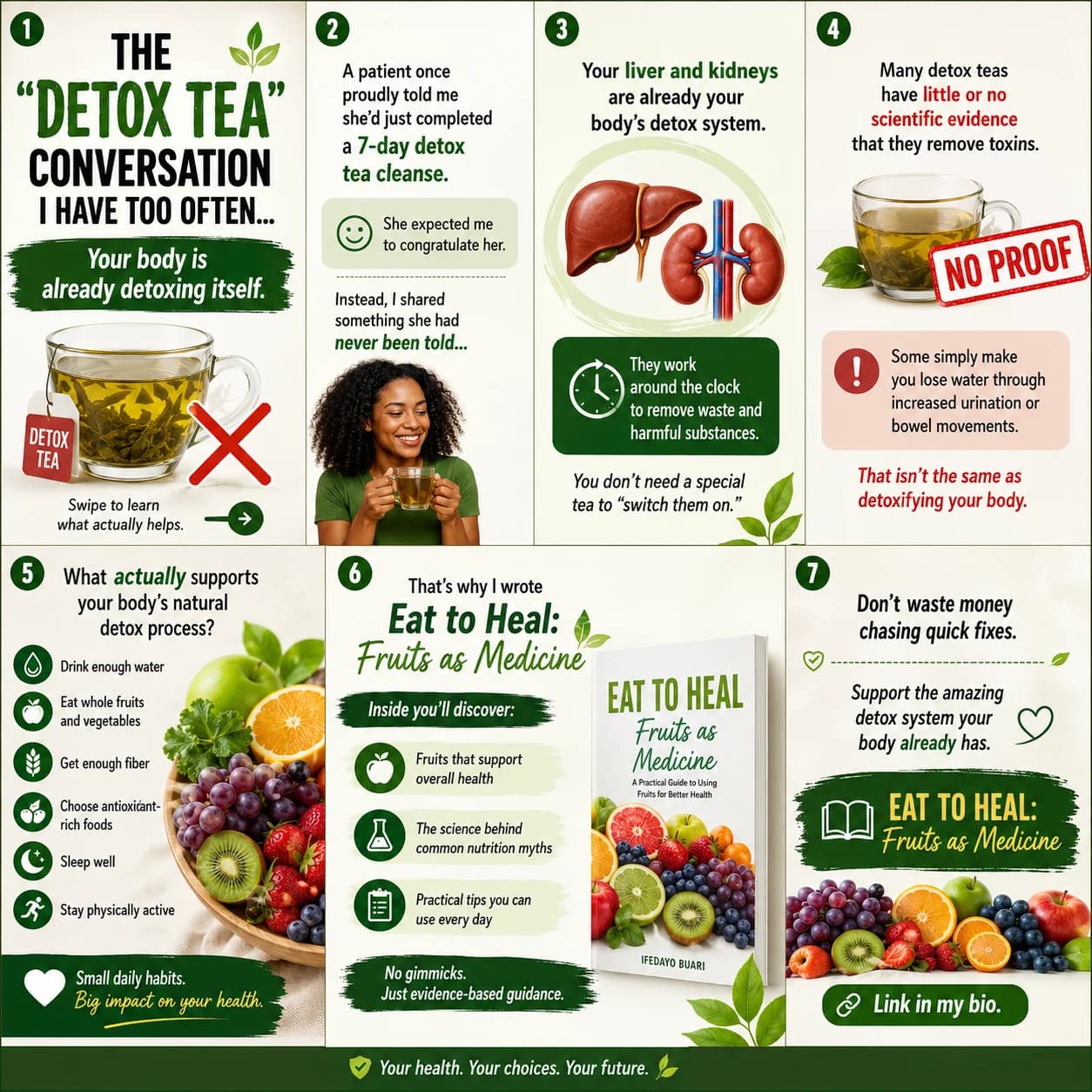
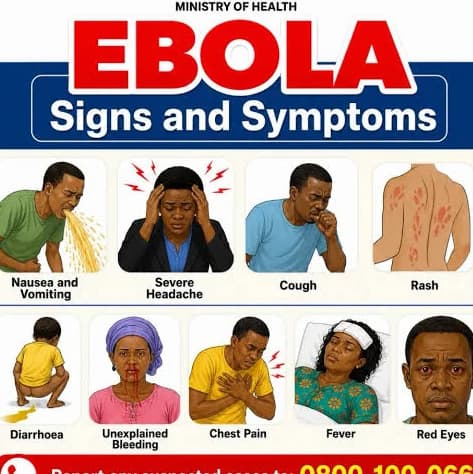
Public awareness campaigns were launched across television, radio, churches, mosques, schools, and social media. In the middle of all this, misinformation was spreading almost as fast as the virus.
One rumour claimed that drinking and bathing with salt water could prevent Ebola 😭
Many Nigerians followed the advice.
Some ended up in hospitals because of excessive salt consumption. It became one of the biggest examples of how dangerous health misinformation can be.
Eventually, after months of intensive response efforts, Nigeria was declared Ebola-free. The outbreak resulted in a limited number of confirmed cases and deaths, but many experts believe the outcome could have been far worse if health authorities had not acted quickly.
Looking back, the Ebola outbreak left Nigeria with some important lessons:
🔸 Not everything you read online is true
🔸 Public health emergencies spread faster in crowded cities
🔸 Early detection can save thousands of lives
🔸 Healthcare workers often take enormous personal risks during outbreaks
🔸 Prevention is usually easier than containment
Whenever people talk about Nigeria’s biggest public health victories, the successful containment of Ebola in 2014 deserves to be on that list.
Were you in Nigeria during the Ebola outbreak?
What’s the one thing you remember most from that period?