
No matter how careful you are, if you’re sexually active, there’s a good chance you’ll encounter HPV at some point in your life.
HPV, or human papillomavirus, is extremely common. Around 80% of sexually active people may acquire it at some point.
The good news is getting HPV is not automatically a reason to panic.
About 90% of HPV infections clear naturally within 1 to 2 years, often without the person ever knowing they had it.
The concern is when the body doesn’t clear certain high-risk types of the virus.
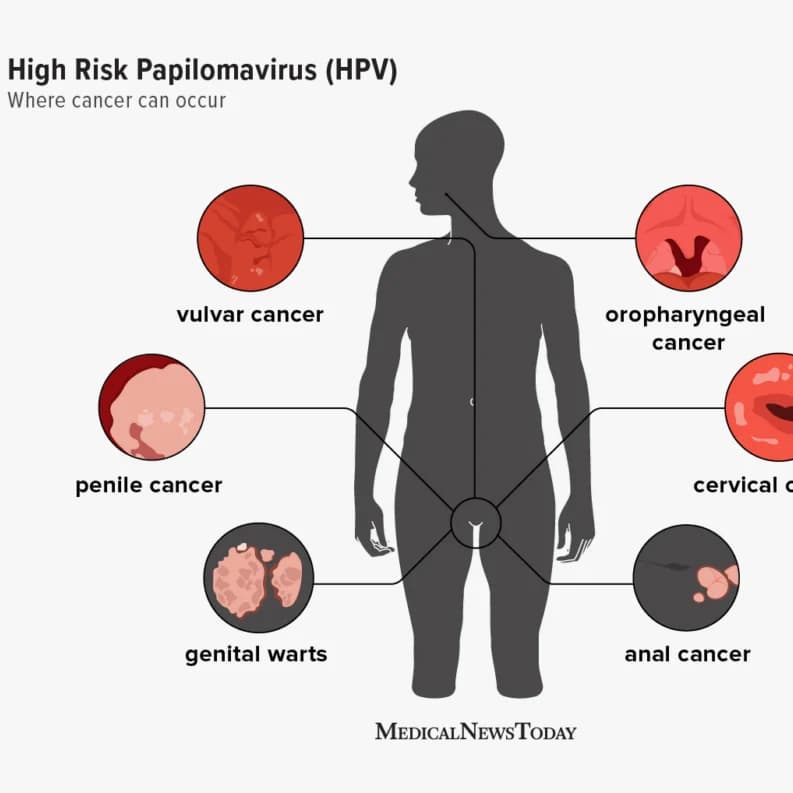
There are more than 200 types of HPV. Most are harmless, some can cause genital warts, while certain high-risk types can cause cancers, including cervical cancer.
And here’s the tricky part:
HPV often has no symptoms.
A woman can have a high-risk HPV infection causing abnormal changes in the cervix for years without feeling sick or noticing anything unusual.
This is why cervical cancer screening matters.
A Pap smear checks for abnormal changes in the cells of the cervix, helping doctors identify potential problems early. HPV testing may also be used as part of cervical cancer screening, depending on your age and the screening guidelines where you live.
Cervical cancer is highly treatable when detected early, but you have to screen for it before symptoms appear.
So if you’re an adult woman and you’ve never had cervical cancer screening or you’re overdue for one, please consider speaking with a healthcare professional about when you should be screened.
And please share this with the women you care about.
Sometimes the most important health reminder isn’t the one that sounds scary. It’s the one that gets you to check before there’s a problem. ❤️