5 Nutrition
Simple Everyday Habits Nigerians Should Avoid
By Ayo Bashiru Itopa, RD | Clinical Dietitian & Nutritionist
Diabetes is becoming increasingly common in Nigeria. Many people believe it only affects those who eat a lot of sugar, but the truth is that diabetes develops due to a combination of unhealthy eating habits, physical inactivity, excess body weight, family history, and other lifestyle factors.
The good news is that many cases of Type 2 diabetes can be prevented by making better food choices today.
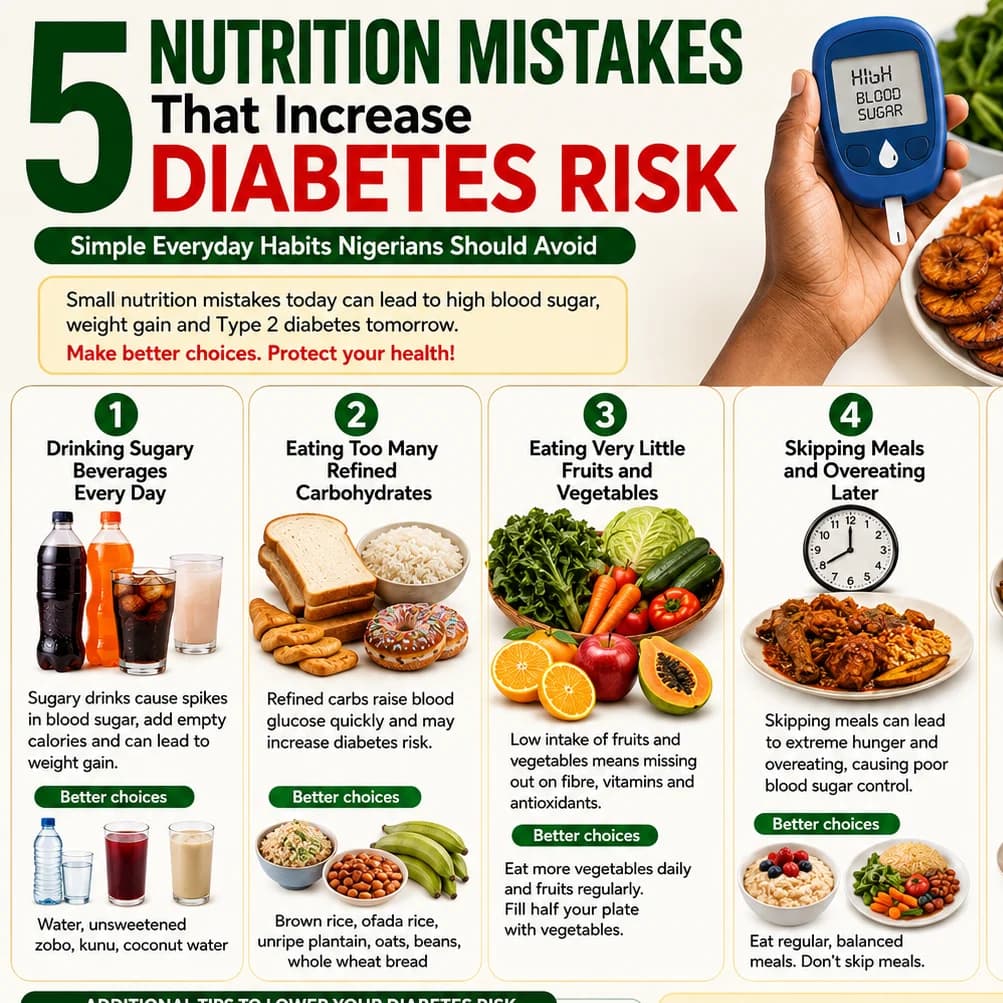
Here are five common nutrition mistakes Nigerians make that may increase the risk of developing diabetes.
1. Drinking Sugary Beverages Every Day
Many Nigerians consume sugary drinks without realizing how much sugar they contain. Soft drinks, sweetened fruit juices, energy drinks, sweetened yoghurt drinks, and sugary tea or coffee can cause repeated spikes in blood sugar levels.
These drinks also provide many calories without making you feel full, which may contribute to weight gain—a major risk factor for Type 2 diabetes.
Better choices:
Water
Coconut water (without added sugar)
Unsweetened zobo
Unsweetened kunu
Fresh fruit infused water
Tip: Instead of drinking your calories, drink water more often.
2. Eating Too Many Refined Carbohydrates
White bread, white rice, pastries, sugary breakfast cereals, cakes, biscuits, and large portions of garri, semovita, fufu or Lafu (white amala), without vegetables can quickly raise blood glucose levels.
This does not mean you should avoid carbohydrates completely. It means choosing healthier sources and controlling portions.
Better choices:
Brown rice
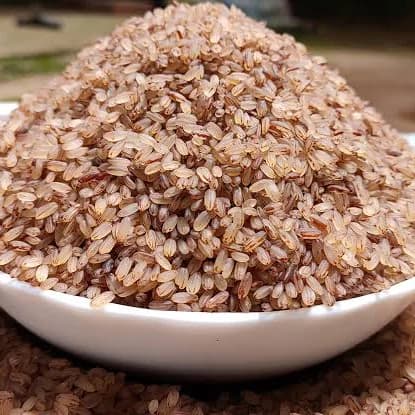
Ofada rice
Unripe plantain both boil and flour (swallow)
Sweet potatoes
Oats
Whole wheat bread
Beans
Amala dudu (Yam flour)
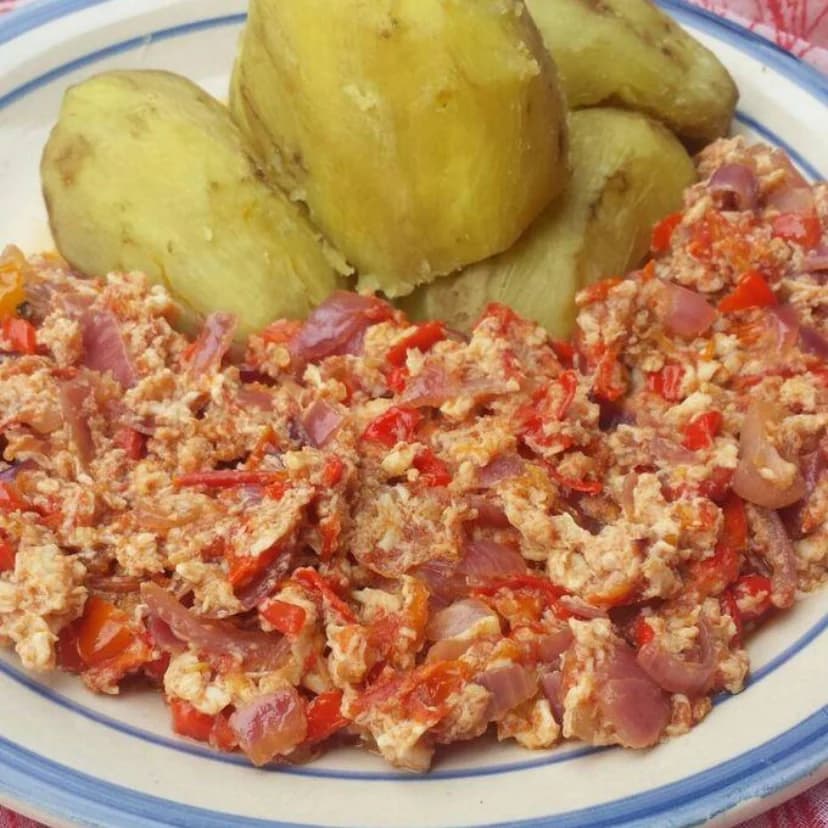
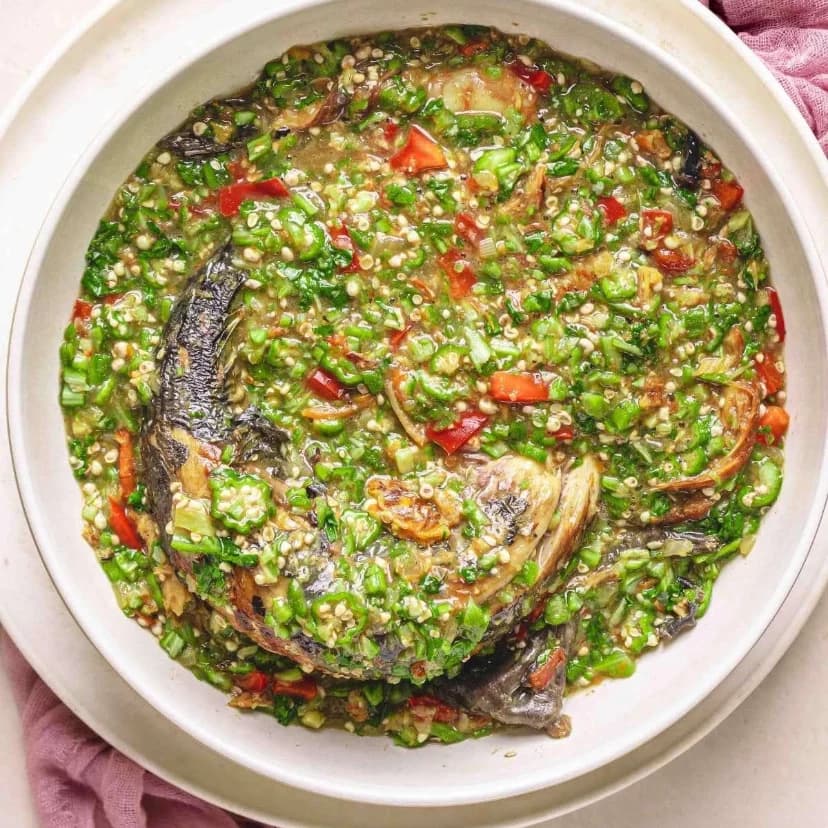
Always combine carbohydrates with vegetables (low fat efo riro, ewedu, okra) and lean protein
3. Eating Very Little Fruits and Vegetables
Many Nigerians eat vegetables only occasionally and may go days without eating fruit.
Vegetables and fruits provide fibre, vitamins, minerals, and antioxidants that help regulate blood sugar, improve digestion, and support overall health.
Aim to fill half of your plate with vegetables during lunch and dinner.
Good options include:
Ugu
Efo tete
Okra
Cabbage
Carrots
Cucumbers
Tomatoes
Garden eggs
Oranges (moderate)
Apples (moderate)
Pawpaw (moderate)
4. Skipping Meals and Overeating Later
Some people skip breakfast or lunch because they are busy, then eat a very large meal late in the evening.
This pattern may cause excessive hunger, leading to overeating and poor blood sugar control.
Instead of skipping meals, eat regular balanced meals throughout the day.
A balanced Nigerian meal could include:
Moderate portions of carbohydrates
Fish, chicken, eggs, or beans
Plenty of vegetables
Consistency is better than starvation followed by overeating..
5. Eating Large Portions Every Time
Even healthy foods can contribute to weight gain when eaten in excessive amounts.
Many people underestimate portion sizes, especially when eating rice, eba, amala, pounded yam, fufu, or snacks.
Maintaining a healthy weight is one of the most effective ways to reduce your risk of Type 2 diabetes.
Simple portion control tips:
Use a smaller plate.
Eat slowly.
Stop eating when comfortably satisfied, not overly full.
Avoid eating while watching television or scrolling on your phone.
Additional Tips to Lower Your Diabetes Risk
Besides healthy eating:
✅ Exercise for at least 150 minutes per week.
✅ Maintain a healthy body weight.
✅ Get enough sleep every night.
✅ Avoid smoking.
✅ Limit alcohol intake.
✅ Check your blood sugar regularly if you have risk factors such as obesity, hypertension, or a family history of diabetes.
Final Thoughts
Preventing diabetes does not require expensive foods or complicated diets. Small, consistent changes—such as drinking more water, eating more vegetables, choosing healthier carbohydrates, controlling portion sizes, and staying physically active—can significantly reduce your risk.
Remember, prevention is always easier and less costly than treatment. The healthy choices you make today can protect your health for years to come.
About the Author
Ayo Bashiru Itopa, RD is a Registered Dietitian, Clinical Nutritionist, and Research Consultant dedicated to helping Nigerians prevent lifestyle-related diseases through practical, evidence-based nutrition education. His mission is to make healthy eating simple, affordable, and achievable for everyone.
Follow for more nutrition tips, healthy meal ideas, and evidence-based health information.