
Nigeria’s tax reforms are entering a new phase.
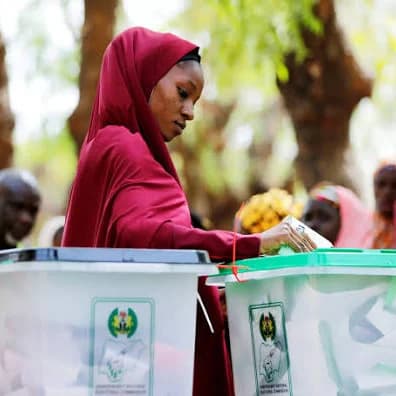
After the signing of the Nigeria Tax Reform Acts, attention is now shifting to the states, where implementation will determine how quickly businesses begin to experience the changes.
So far, nine states Bayelsa, Anambra, Ekiti, Gombe, Kogi, Kwara, Nasarawa, Plateau and Zamfara have already domesticated the new tax administration laws, becoming the first to align their state tax frameworks with the new federal reforms.
More states are expected to follow.
What does “domestication” mean?
Passing a federal law is only part of the process.
Many tax administration reforms require states to update their own laws and procedures before they can be fully implemented at the state level.
Domestication simply means a state has adopted the new legal framework and is preparing its tax administration to operate under the updated system.
A move towards a more coordinated tax system
One of the biggest objectives of the reforms is to reduce the complexity businesses often face when dealing with different tax authorities.
For years, businesses have complained about overlapping taxes, multiple levies and inconsistent tax administration across different states.
The new framework aims to create greater coordination between federal, state and local tax authorities, making the system more predictable for taxpayers.
While every state will still administer its own taxes where applicable, the long-term goal is a more harmonised approach to tax administration across the country.
What this means for businesses
For business owners, the immediate impact may not be dramatic.
However, as more states adopt the reforms, businesses should expect changes in how taxes are administered, documented and enforced.
Companies operating in multiple states may gradually experience greater consistency in tax processes.
Freelancers, remote workers, creators and small business owners should also pay attention.
Even if your business is relatively small today, Nigeria’s tax system is becoming more organised and increasingly digital. Keeping accurate records and understanding your tax obligations will make adapting to future changes much easier.
That’s why staying organised all year round matters.
LessaTax helps freelancers, remote workers, creators and business owners keep their income, expenses, invoices and supporting documents organised before tax season arrives, making compliance much simpler as Nigeria’s tax system continues to evolve.
You can request early access here:
#LessaTax #TaxNigeria #TaxReform #BusinessNigeria #SMEs #FreelancersNG #RemoteWorkersNG #TaxCompliance #BusinessGrowth #FinancialRecords