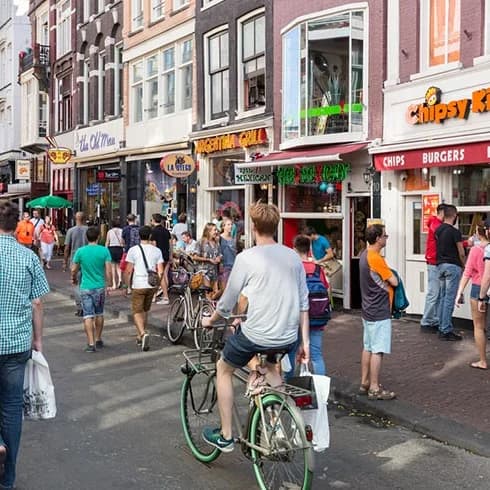
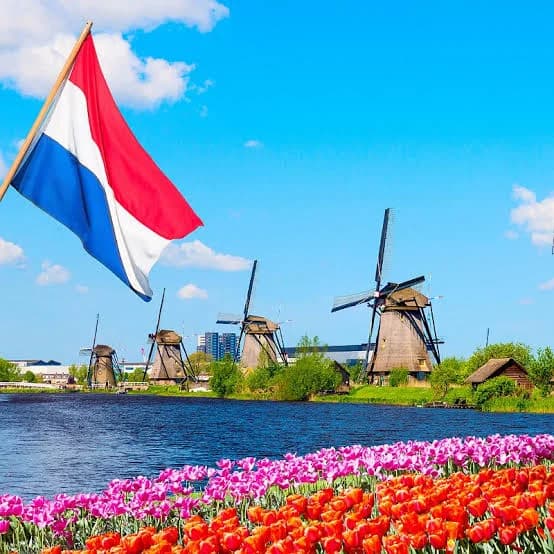
If you've been thinking about relocating to Europe, the Netherlands offers one of the faster pathways to citizenship for international students who settle and work there.
Here's how the journey typically works:
Year 1–2: Study in the Netherlands
The first step is to gain admission into a Dutch university.
Many master's programmes last **one or two years**, depending on the course. During this period, you'll live in the Netherlands on a student residence permit while completing your studies.
Year 3: Apply for the Orientation Year Visa
After graduating, you may be eligible for the Orientation Year (Zoekjaar) Visa.
This residence permit gives graduates up to one year to stay in the Netherlands and look for a job or start a business.
It's designed to help international graduates transition from studying to working without immediately leaving the country.
Year 4: Get a Work Visa
Once you secure a qualifying job, your employer can help sponsor your work residence permit.
The Netherlands has a strong job market in sectors like technology, engineering, healthcare, finance, and logistics. Salaries vary depending on your profession and experience, but many skilled professionals earn **between €3,000 and €5,000 per month** before taxes.
Year 5: Become Eligible for Dutch Citizenship
After **five years of continuous legal residence**, many foreign nationals become eligible to apply for **Dutch citizenship or permanent residence**, provided they meet the legal requirements.
These requirements generally include:
-Maintaining continuous legal residence.
-Passing the Dutch civic integration exam.
-Demonstrating sufficient knowledge of the Dutch language.
-Meeting other eligibility conditions set by the Dutch government.
Keep in mind that the naturalisation process is not automatic. Your application will be assessed before a decision is made.
Why Many Nigerians Choose the Netherlands
Many international students and professionals are drawn to the Netherlands because of its:
-High quality of life
-Strong job market
-Competitive salaries
-Good public transport
-Access to the rest of Europe
A Dutch passport also provides visa-free or visa-on-arrival access to a large number of countries around the world.
Before You Apply
Relocating isn't just about getting admitted into a university. You'll also need to consider tuition fees, living expenses, accommodation, healthcare insurance, and your long-term career plans.
If you're considering the Netherlands, it's worth researching universities, scholarship opportunities, and the current immigration requirements before making a decision.
Have you considered studying in the Netherlands, or is another European country at the top of your relocation list?