The digital skills we should all have by 2030 and a complete guide on 21st-century growth: booming, chaos and complexity in the future coming to you from : Bilkisu Sabiu a Digital Literacy Advocate and Real-Time Blogger: Be at ease and read all through to the end.
(For similar posts: https://bilkisu-hub.blogspot.com )
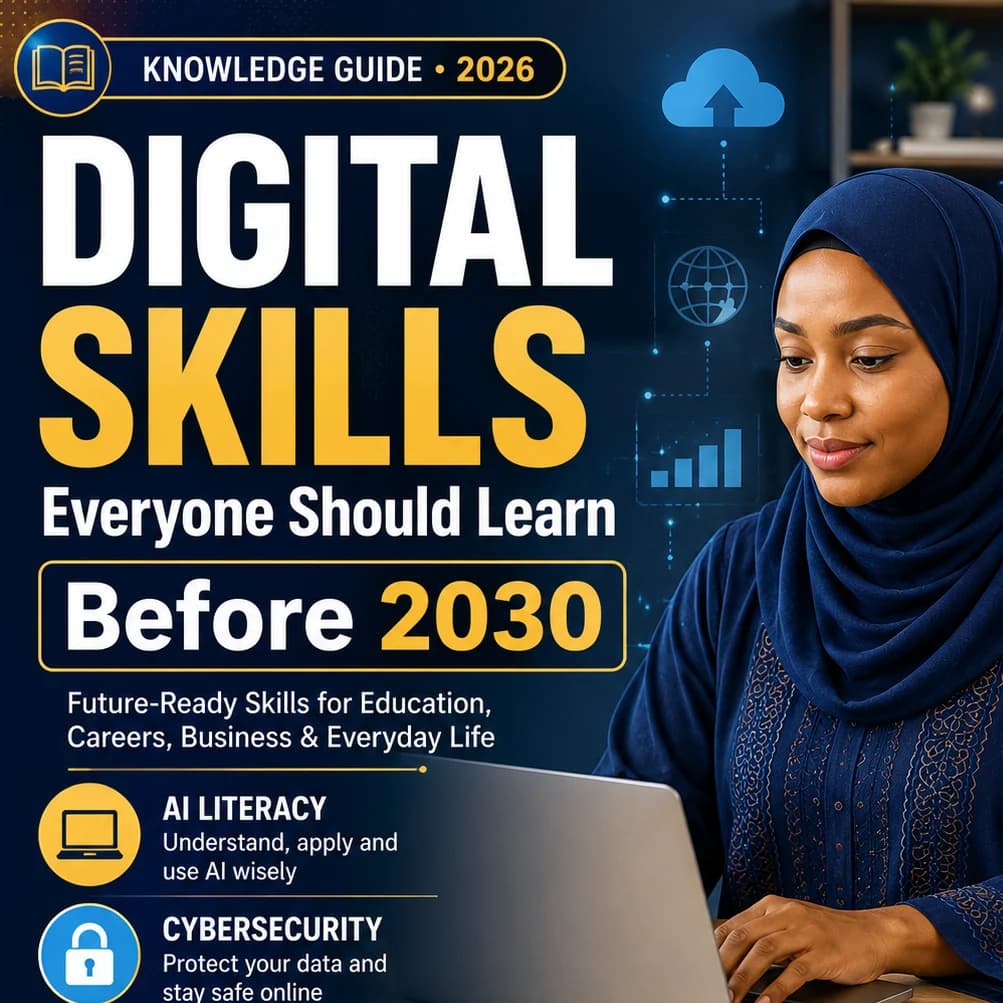
Here are the Digital Skills that we ALL need to have before we reach 2030. See how digital skills and knowledge around… digital literacy, AI, internet security, searching online and digital communication will set you up for education, enterprise and life.
Our Focus Keyword:
Digital Skills Everyone Should Learn Before 2030
Introduction
Everything about the world is evolving at an unprecedented pace. Technology impacts our lives more than ever-before especially, in the way we learn, work, communicate, shop and receive healthcare. Moving towards 2030, digital skills will be just as vital as reading, writing and solving mathematics and reasoning and; these will not be exclusive skills of computer geeks or IT professionals only but it's for all individuals, of any age and of any profession, can achieve mastery of digital skills.
If you learn how to develop digital skills today, you can get a better education, have more options for a job, start your own business and buy things easier. The most important thing is that you can learn digital skills.
So what are digital skills? Digital skills describe the set of skills that are required to connect, operate and use digital technology. And by digital technology we mean any kind of computers or computer-enabled devices.
Digital skills- having the knowledge and abilities to use digital devices, applications and online services confidently, securely and responsibly. It comprises of basic computer skills, use of the internet, online communication, digital problem solving and operating emerging technologies as Artificial Intelligence..
Having good digital skills equips individuals with the ability to adapt to new technologies and stay competitive in today‘s digital age.
1. Digital Literacy
Digital Literacy We believe digital literacy is the base of any digital skills. Hereby, we mean it is first knowing which buttons to push on your computer and mobile devices, such as smartphones or tablets, also in the use of very specific pieces of software.
Those with good digital literacy will find it easier to learn new technologies and become more confident when using digital services.
2. Online Research Skills
The internet is stuffed with over a billion sources of information of all types, but not all of them are right so:
Effective online research means checking different sources, verifying facts, knowing trustworthy websites and spotting false information. Knowing how to critically evaluate information helps people to make better decisions in education, business and everyday life.
3. Artificial Intelligence (AI) Literacy
AI is entered into education, medicine, business, farming and many other areas.
Knowing the nature of AI systems, their potential benefits and their potential risks enable us to make use of them safely. AI should serve the purposes of learning, being inventive and being productive; it should never take over our own initiative and responsibility.
4. Cybersecurity Awareness
In light of, more and more activities are taking place on the Internet. It has become necessary to safeguard individual data from being compromised.
A few easy tips would be to use strong passwords, secure two step authentications, not clicking on shady links, updatesoftware frequently and keep personal information hidden.
5. Digital Communication
Contemporary means of communication are carried out via the internet using emails, video conferences, message boards and other online joint applications.
The ability to communicate in a clear, respectful, professional manner via the web enhances collaboration with others, fosters better Relationships and enhances educational and career opportunities.
6. Critical Thinking
Modern day technology offers immediate access to information however, it is still paramount that we think critically.
Is the information coming from a reliable source? Is the information supported by evidence? And is the information up to date? Critical thinking helps people to not fall for misinformation.
7. Adaptability and Lifelong Learning
The technology changing from year to year as new applications, computers and other devices, and other technology platforms are launched.
Those who are curious and continuing to learn over a whole life will find the change easier and more advantageous.
Common Digital Mistakes to Avoid
Numerous individuals are by their own personal choice hinder the progress of their own life on a daily basis. Some of these choices include setting insecure passwords, lax verification of information, putting too much faith in artificial intelligence, overlooking privacy options and resisting adoption of new technology.
By not indulging in these practices, you gain composure and responsible usage habits.
An Ethical Perspective on Digital Technology
Technology can be used as great tools and should be used responsibly. Good digital citizens respect the privacy of others, do not agree or spread false information, keep their data secure, and use technology to learn and grow.
Knowledge is most effective when it is utilized sincerely, thoughtfully, and with consideration for others.
-------------------------------------------------------
To My fellow Islamic Conscious , We're allowed to use all these knowledge to our benefit both in the "Qur'an and Sunnah" sight.So be at ease.
----------------------------------------------------------
Conclusion :
Digital skills are no longer a choice; they are a requirement in education, employment, the world of business and life in general. Then by improving upon skills, learning digital literacy, internet research, knowledge of AI, Cyber security, communication, analysis, critical thinking and adaptability it is possible to gear yourselves for the future of possibilities.
Step one on your road to digital confidence. Keep learning! Always stay curious and open-minded, be cautious with new platforms and devices, and continually strive to enhance your knowledge and skills. The people who learn and adapt now are the ones who will succeed in the digital future of 2030.
Save for our next Article in this Series:
How to Build Good Habits That Last: A Science-Based Guide to Lasting Success