


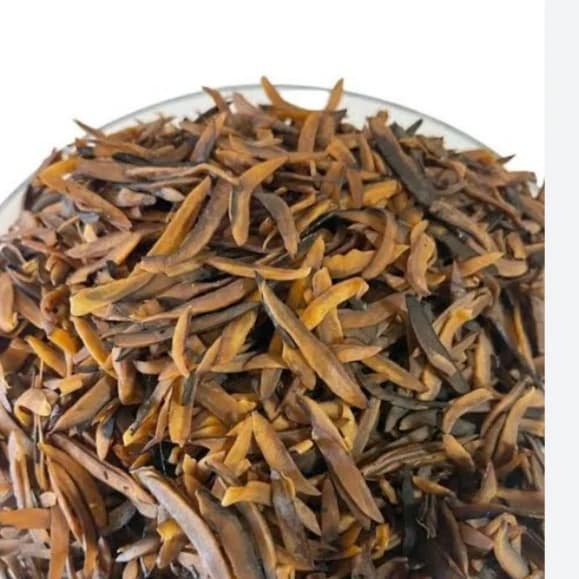
If Iru and Ogiri are the heavy hitters of savory flavor, Ugba (African Oil Bean) is the sophisticated cousin that brings both depth and texture to the table. Let’s dive into the science behind this fermented treasure.
The Science of the Transformation:
Unlike the seed-paste format of other fermented condiments, Ugba is prepared by fermenting sliced, boiled seeds of the Pentaclethra macrophylla tree. The fermentation process is a complex, multi-stage journey involving a mix of Bacillus species, molds, and yeasts.
These microbes go to work breaking down the protein-rich beans. During this process, they produce a diverse array of volatile organic compounds—including ammonia and various fatty acids—which create that signature, polarizing, "funky" aroma we know so well.
Why it’s the "Secret Weapon":
It’s not just about the smell. As the fermentation progresses, the microbes break down complex proteins into free amino acids, specifically glutamates. When you add Ugba to a dish, you are not just seasoning it; you are adding a natural MSG-equivalent that creates a profound, lingering savory sensation on the tongue.
What makes Ugba unique, however, is its texture. Because the beans remain in slices rather than becoming a paste, they provide a slight "bite" that interacts with the fats and spices in your soup, creating a more complex mouthfeel.
Big Sister Tech Tip:
Want to maximize the flavor of your Ugba? Toss it in a little bit of warm palm oil with sliced onions before adding it to your soup base. This gentle heat helps to "activate" the flavor compounds trapped in the bean slices and creates a more balanced, harmonious taste profile.
Let’s talk:
Are you a fan of Ugba in your soups, or do you prefer it served as a standalone delicacy (like Abacha)? Let me know your favorite way to prepare it! 👇
#MariacathieRootLab #FoodScience #Ugba #AfricanOilBean #Umami #NigerianCuisine #FermentationScience #CulinaryHeritage #CleanLabel #FoodTech