


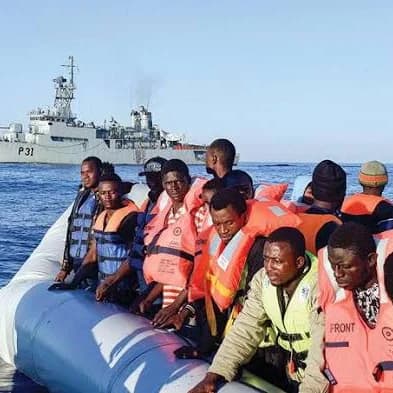
The first time I watched a documentary about Nigerians crossing the Sahara Desert and passing through Libya to get to Europe, I asked myself one question:
“After everything we’ve seen and heard, why do people still go?”
The truth is, it’s easy to judge when you’re watching from a safe place.
When I started reading interviews, migration reports, and stories shared by Nigerians who made the journey or were deported, I realized the answer is much more complicated.
Here are some of the reasons people still take the risk.
1. They Feel They Have Nothing Left to Lose
For many people, it’s not that they think the journey is safe. It’s that staying feels just as hopeless. Years of unemployment, poverty, debt, or insecurity can make even an extremely dangerous journey seem like the better option.
2. Success Stories Spread Faster Than Horror Stories
Almost every community has someone who left Nigeria and eventually “made it.” People see the new house, the car, or the money sent home. What they often don’t see are the months or years of suffering before things got better, or the many others who never made it.
3. Human Smugglers Sell Hope
Many migrants are told the journey will be quick and straightforward. Some don’t realize they’ll have to cross the Sahara Desert, face detention in Libya, or risk crossing the Mediterranean Sea in overcrowded boats until it’s too late.
4. Family Pressure
Some people aren’t travelling only for themselves. They’re trying to lift their entire family out of poverty. That responsibility can push people to take risks they wouldn’t otherwise consider.
5. They Believe Europe Will Solve Everything
For some, Europe represents opportunity, stability, and a fresh start. But many Nigerians who eventually arrive discover that finding legal work, housing, and residency can be much harder than they imagined.
The Libya route isn’t a shortcut to a better life. It’s one of the world’s most dangerous migration routes.
Thousands of people have faced exploitation, violence, detention, trafficking, or have lost their lives along the way.
Understanding why people still make that choice doesn’t mean encouraging it. It means recognizing that behind every journey is a person trying to escape circumstances they feel they can no longer survive.
What do you think the government can do to stop this?