



One of the saddest things I recently learned is that some babies are born with serious birth defects affecting the brain and spinal cord simply because their mothers didn’t get enough folic acid before and during early pregnancy.
One of the most common is spina bifida, a condition where a baby’s spinal cord doesn’t develop properly. Some children are born with part of their spinal cord exposed, and many go on to face lifelong challenges with walking, bladder and bowel control, or multiple surgeries.
The heartbreaking part is that many of these cases can be reduced when women get enough folic acid before conception and during the first few weeks of pregnancy.
When I spoke to a friend who recently had a baby, she told me her doctor immediately prescribed folic acid tablets at her first antenatal visit.
Folic acid tablets are still the fastest and most reliable way to get the amount your body needs during pregnancy, but eating foods naturally rich in folate, the natural form of folic acid, is another great way to support a healthy pregnancy alongside your supplements.
These are some of the foods she intentionally added to her meals.
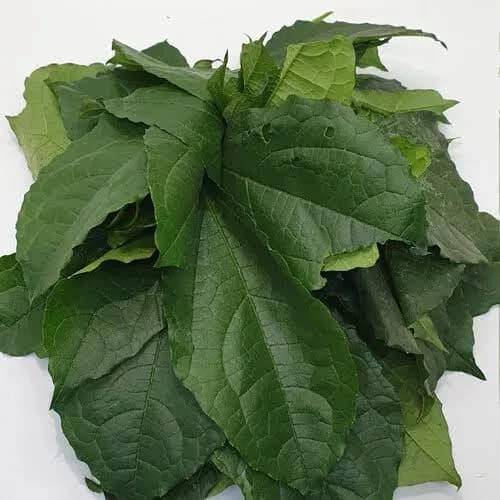
1. Ugu (Fluted Pumpkin Leaves)
She started adding ugu to soups, stews, and even egg sauce because it was affordable and easy to find.
2. Ewedu
This became one of her regular soups because it’s naturally rich in folate.
3. Beans
Beans porridge, moi moi, and akara became staples in her weekly meal plan. They also provided protein and fibre.
4. Groundnuts
She kept roasted groundnuts nearby for healthy snacks between meals.
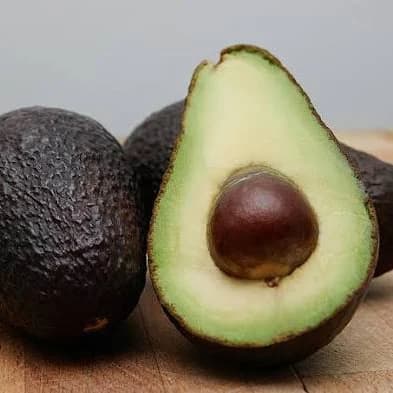
5. Avocado Pear
When it was in season, she’d eat it with bread or alongside breakfast.
6. Oranges
Her doctor encouraged her to include citrus fruits because vitamin C helps the body absorb iron, another important nutrient during pregnancy.
7. Spinach (Green)
She added spinach to soups and stews several times a week.
8. Broccoli
Although not a traditional Nigerian vegetable, it’s now widely available in many supermarkets and markets.
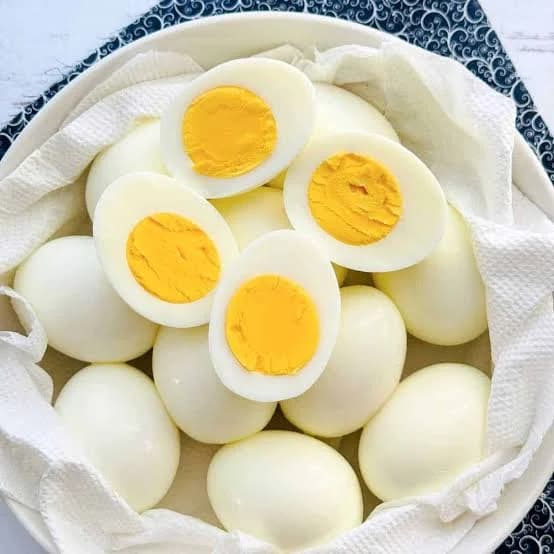
9. Eggs
Easy to prepare, affordable, and packed with important nutrients.
10. Lentils and Other Legumes
She started alternating beans with lentils because they’re another excellent source of folate.
Many women don’t realize that the baby’s brain and spinal cord begin developing very early, often before they even know they’re pregnant.
That’s why doctors often recommend women who are trying to conceive start taking folic acid before becoming pregnant.
Food is important, but it shouldn’t replace the folic acid tablets prescribed by your healthcare provider. Think of these foods as supporting your pregnancy alongside the supplements your doctor recommends.
Mums, were you advised to take folic acid before or during pregnancy? What foods did you eat regularly that helped you through those nine months? Your experience could help another woman preparing for motherhood.