A Nigerian Dietitian's Guide to Managing Hypertension Through Food
By Ayo Bashiru Itopa, RD | Clinical Dietitian & Nutritionist
High blood pressure (hypertension) is often called the "silent killer" because it may not show any symptoms until it has already damaged the heart, brain, kidneys, or eyes. In Nigeria, many people discover they have hypertension only after developing complications such as stroke, heart failure, or kidney disease.
The good news is that food plays a major role in controlling blood pressure. While medications prescribed by your doctor remain important, making healthy food choices every day can help lower blood pressure naturally and reduce your risk of complications.
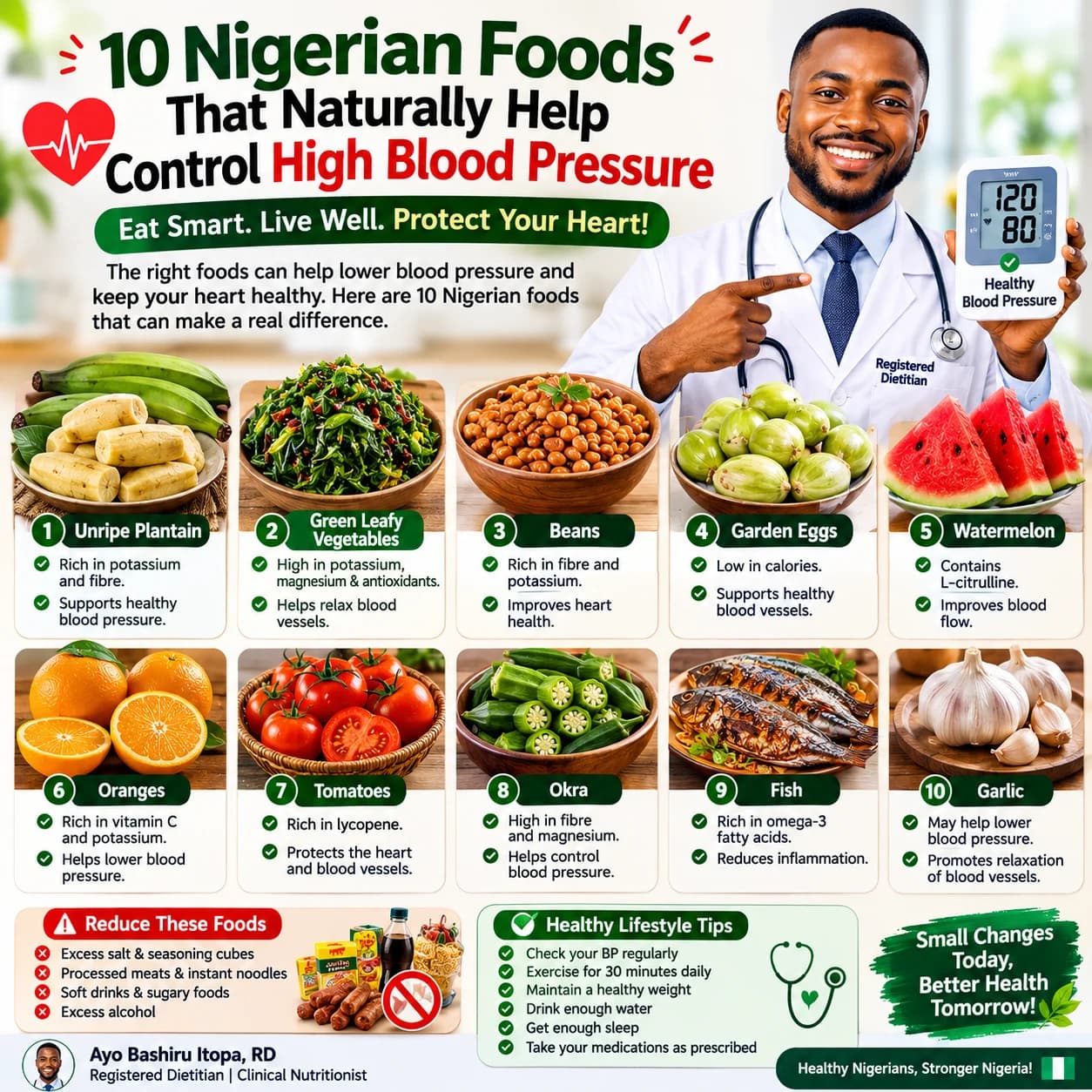
*Here are 10 affordable Nigerian foods that can help.*
*1. Unripe Plantain*
Unripe plantain is one of the best carbohydrate choices for people living with hypertension. It contains potassium, dietary fibre, and resistant starch, which help maintain healthy blood pressure and support heart health.
Healthy serving ideas:
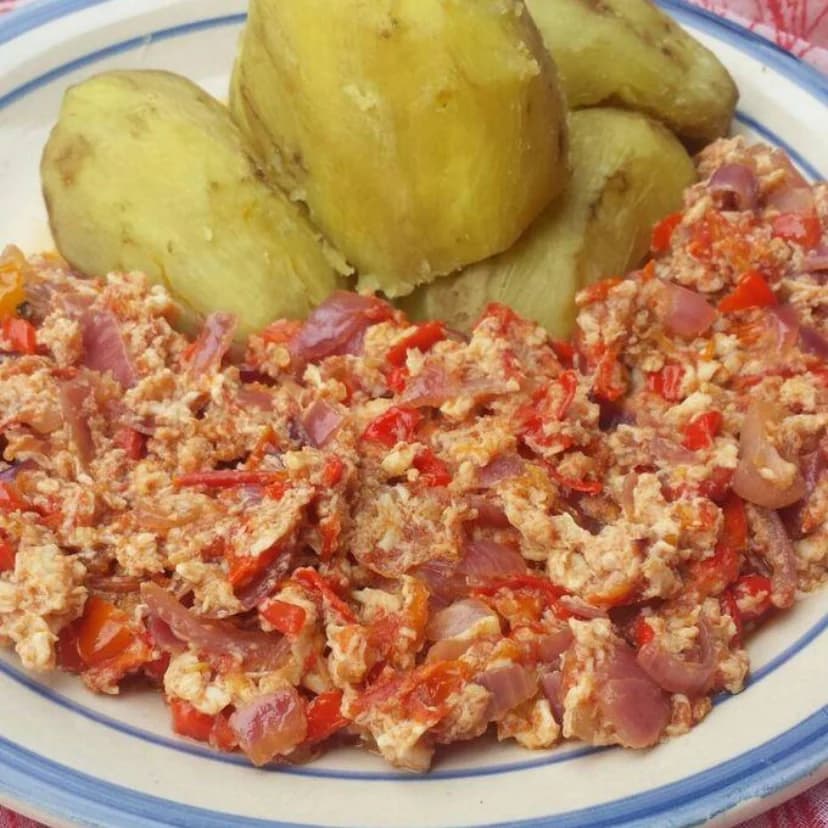
Boiled unripe plantain with vegetable sauce
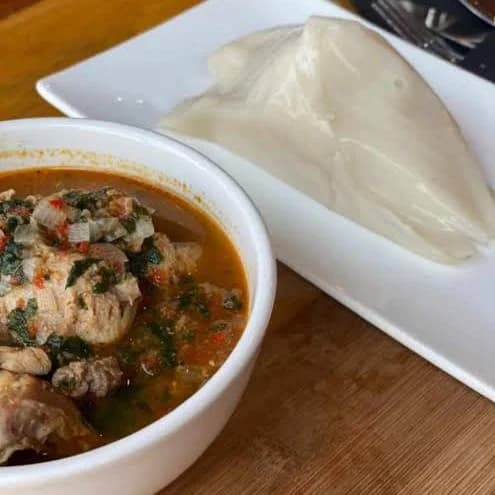
Plantain flour prepared(swallow) with vegetables or Jewish mellow (Ewedu) or Okra
Grilled unripe plantain with fish sauce
Avoid: Deep-frying it in large amounts of oil.
*2. Green Leafy Vegetables*
Vegetables such as:
Ugu (Pumpkin leaves)
Efo tete (African spinach)
Waterleaf
Soko
Bitter leaf
Ewedu
Worowo
are rich in potassium, magnesium, calcium, and antioxidants that help relax blood vessels and lower blood pressure.
Aim for at least two servings daily.
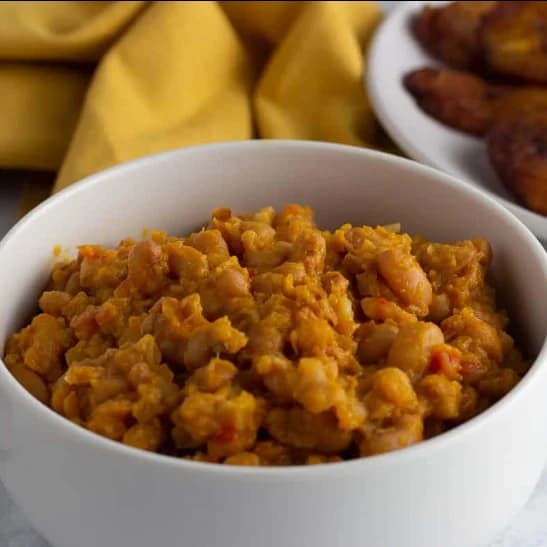
*3. Beans*
Beans are packed with fibre, magnesium, potassium, and plant protein.
Good options include:
Honey beans
Brown beans
White beans
Black-eyed beans
Beans help improve heart health and may reduce cholesterol levels.
Healthy meals include:
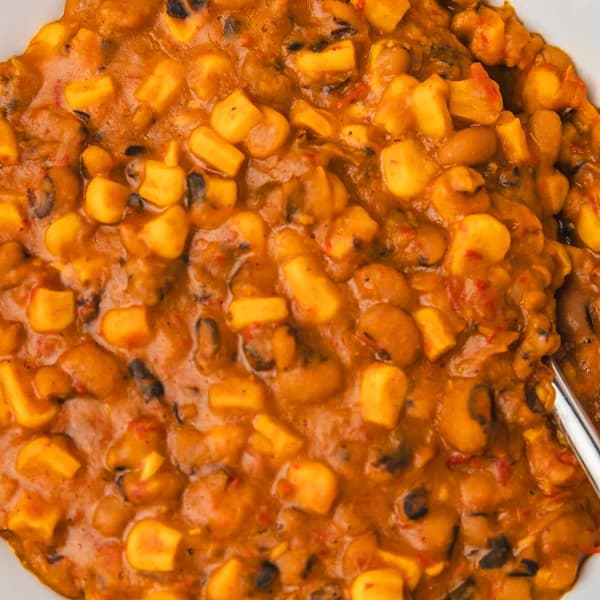
Beans and vegetables
Moi-moi
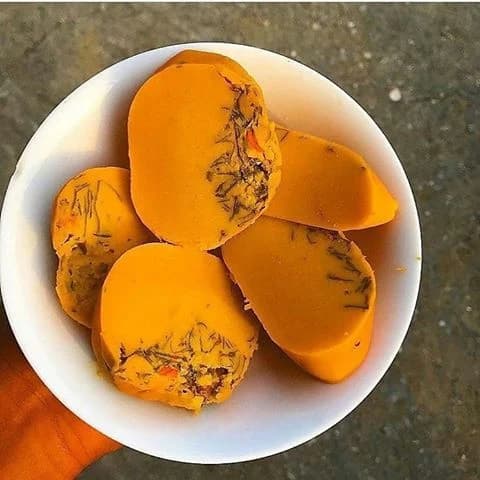
Beans pudding (Ekuru) with low-fat pepper sauce
*4. Garden Eggs*
Garden eggs are low in calories and contain fibre and antioxidants that support healthy blood vessels.
They make an excellent snack and can be eaten with:
Groundnuts (in moderation)
Fresh pepper
Tomatoes as sauce for yam
*5. Watermelon*
Watermelon contains L-citrulline, an amino acid that helps improve blood circulation and supports healthy blood vessels.
It is also rich in water, making it excellent for hydration.
Enjoy fresh watermelon instead of sugary drinks and don't forget in moderation for the sake of those with diabetes
*6. Oranges*
Oranges provide:
Vitamin C
Potassium
Flavonoids
These nutrients help reduce inflammation and improve blood vessel function.
Eat whole oranges instead of drinking packaged orange juice and don't forget in moderation for the sake of those with diabetes
*7. Tomatoes*
Fresh tomatoes contain lycopene, a powerful antioxidant that protects the heart.
They are also low in sodium and high in potassium.
Use fresh tomatoes in:
Stews
Soups
Salads
Avoid adding excessive seasoning cubes and avoid frying as well
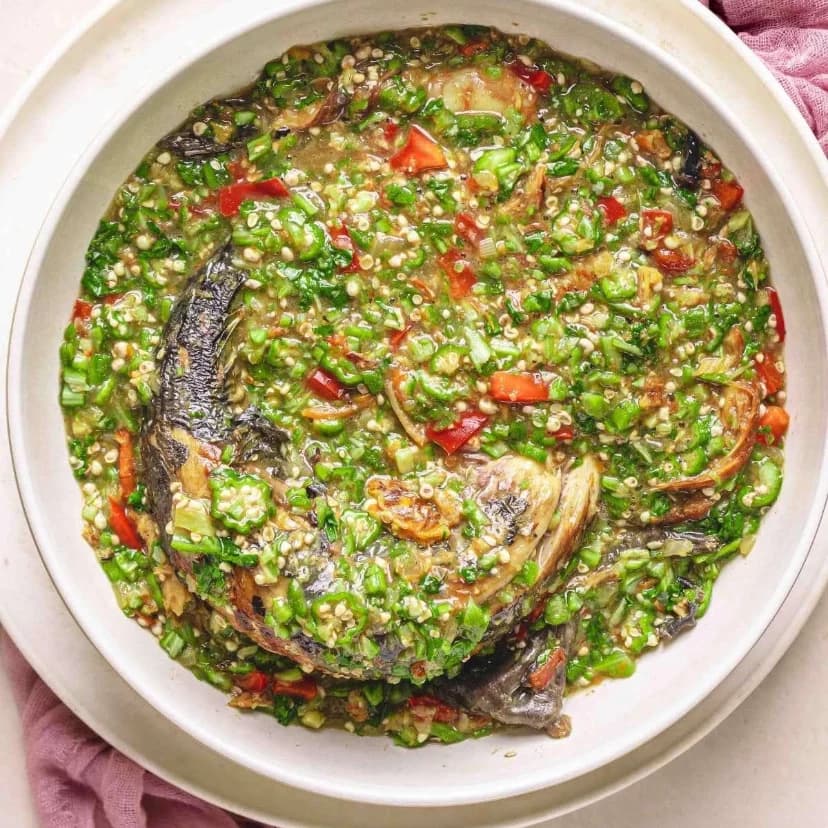
*8. Okra*
Okra contains soluble fibre, potassium, and magnesium.
It supports healthy cholesterol levels and contributes to blood pressure control.
Healthy meals include:
Okra soup
Steamed okra
Okra with Ewedu + stew
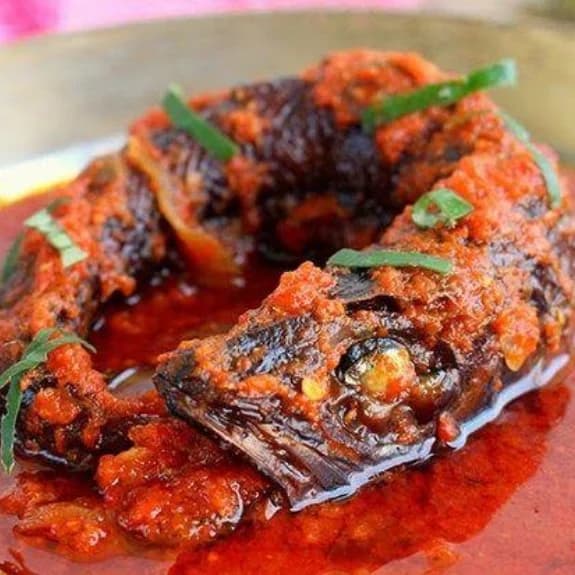
*9. Fish*
Fish such as:
Titus (Mackerel)
Sardines
Catfish
Croaker
provide omega-3 fatty acids, which help reduce inflammation and improve heart health.
Choose:
Boiled
Grilled
Steamed. (instead of deep-fried fish and forget don't eat catfish except ovum dry)
*10. Garlic*
Garlic has long been used for its heart-protective properties.
Studies suggest that regular garlic consumption may help lower blood pressure by promoting relaxation of blood vessels.
Use fresh garlic in soups, stews, and sauces.
*Foods to Reduce if You Have High Blood Pressure*
Managing hypertension is not only about what you should eat but also what you should limit.
Reduce:
Excess salt
Seasoning cubes in large quantities
Processed meats (sausages, bacon)
Instant noodles
Soft drinks
Excess alcohol
Suya with excessive salt seasoning
Salted fish
Packaged snacks high in sodium(salt)
*Healthy Lifestyle Tips*
Besides eating healthy foods:
✔ Check your blood pressure regularly.
✔ Exercise for at least 30 minutes on most days of the week.
✔ Maintain a healthy body weight.
✔ Drink enough water daily.
✔ Get adequate sleep.
✔ Avoid smoking.
✔ Manage stress through relaxation, prayer, or meditation.
✔ Take your prescribed medications consistently. Never stop them without consulting your healthcare provider.
*Final Thoughts*
Hypertension does not have to control your life. By making healthier food choices, reducing salt intake, staying active, and following your doctor's advice, you can significantly reduce your risk of stroke, heart disease, and kidney problems.
Remember, food is a powerful tool for better health—but it is not a replacement for medical treatment. If you have high blood pressure, work closely with your healthcare team to develop a plan that suits your needs.
Healthy eating starts with one good decision at a time.
*About the Author*
*Ayo Bashiru Itopa,* RD is a Registered Dietitian, Clinical Nutritionist, and Research Consultant passionate about helping Nigerians prevent and manage chronic diseases through practical, evidence-based nutrition education. He is committed to making healthy living simple, affordable, and achievable for everyone.
Follow for more nutrition tips and evidence-based health information