


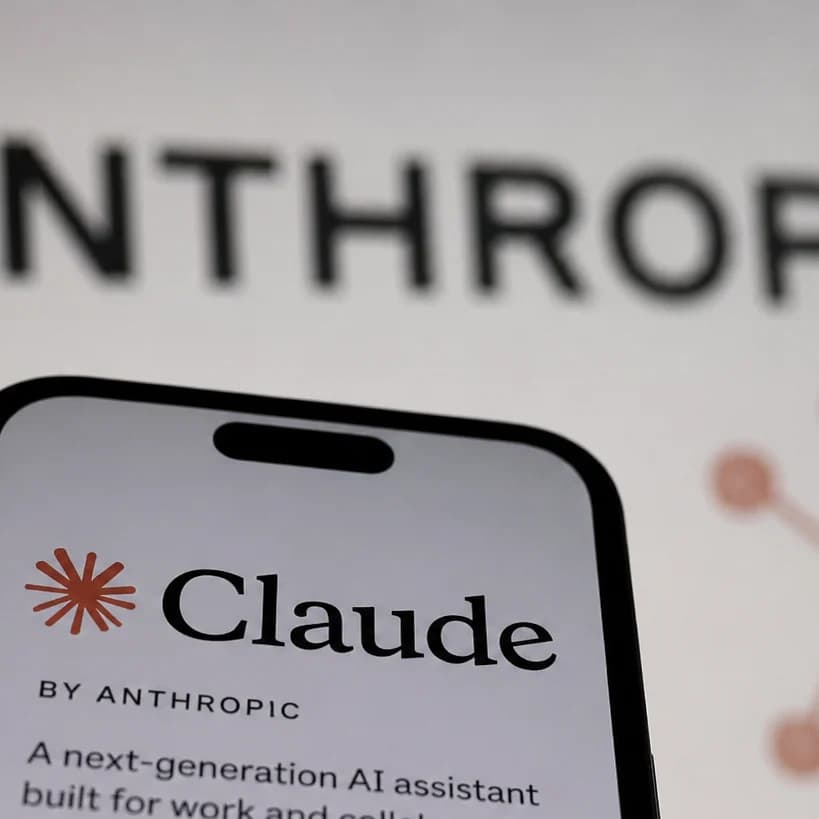
Anthropic has restored access to Claude Fable 5 as of July 1, rolling it out globally across the Claude Platform, Claude.ai, Claude Code, and Claude Cowork. Its sibling model, Claude Mythos 5, has also returned, though for now it remains limited to a smaller group of approved organizations under Project Glasswing.
A quick recap of what happened: Fable 5 and Mythos 5 launched on June 9. Three days later, on June 12, the U.S. Department of Commerce ordered Anthropic to suspend access, after Amazon researchers found a way around the models' safeguards that let Fable 5 identify software vulnerabilities and, in one case, produce exploit code. Because the order took effect immediately and nationality couldn't be verified in real time, Anthropic paused access for everyone, not just the users the order targeted.
Over the following weeks, Anthropic worked with the Commerce Department, Amazon, and other partners to review the issue. The government lifted the export controls on June 30, and Anthropic began restoring access the next day, with an updated set of classifiers meant to catch a wider range of cybersecurity misuse. Anthropic, Amazon, Microsoft, and Google are now also drafting a shared framework for rating how serious a given AI jailbreak is and what response it warrants.
Worth noting: Mythos 5's return is narrower. It's currently available to a select set of U.S. organizations, and Anthropic says it's still coordinating with the government to widen that access, including for international partners who had it before the suspension.
This also sheds light on a larger trend within the AI industry. As AI models continue to advance, companies are increasingly focusing on not just performance, but also on security, governance, and the responsible way to implement these technologies. That's a direction many AI companies, like usetani.ai, Tegence AI, Unboxie.ai etc are taking as they develop practical AI solutions for businesses across Nigeria and Africa.