When my uncle was diagnosed with Type 2 diabetes, everyone around him started telling him:
"No more rice."
"Forget garri."
"You can only eat vegetables now."
As a result, he became afraid of food and stopped eating as much.
After speaking with dietitians, reading through discussions from Nigerians managing diabetes, and learning from people who've lived with it for years, I realized something important:
You don't have to stop eating Nigerian food. You just have to eat it differently.
Here are some Nigerian meals that people with diabetes commonly enjoy as part of a balanced eating plan.
Disclaimer: Diabetes management is different for everyone. Always follow your doctor's or dietitian's advice, especially if you take insulin or other glucose-lowering medication.
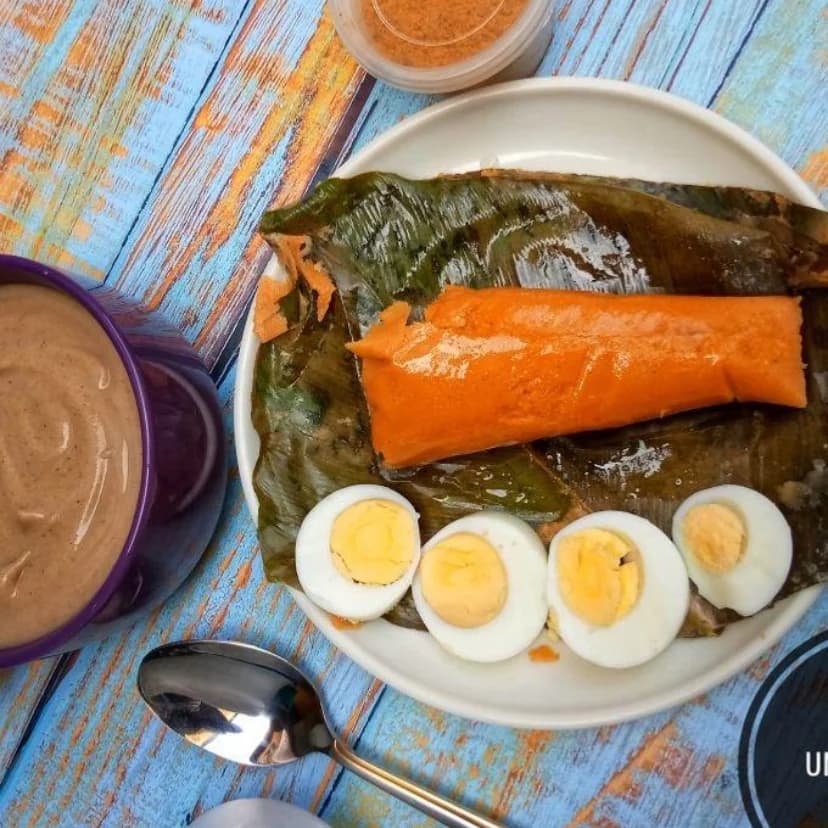
1. Moi Moi
If there's one food almost everyone recommended, it was moi moi.
Made from beans, it's naturally high in protein and fibre, which helps you stay full for longer.
For a more balanced meal, pair it with boiled eggs or grilled fish instead of sugary drinks or white bread.
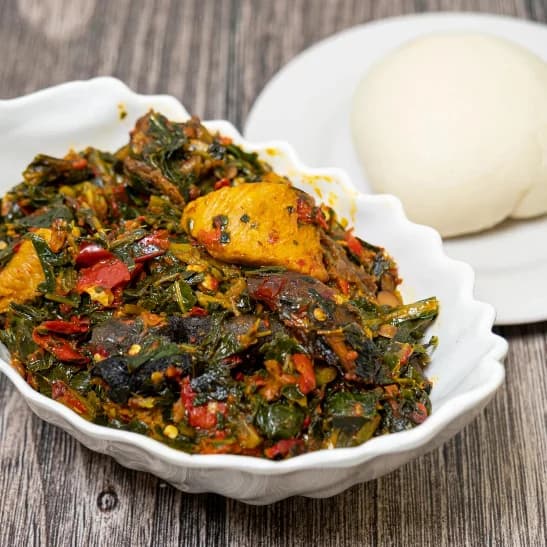
2. Vegetable Soup with Fish
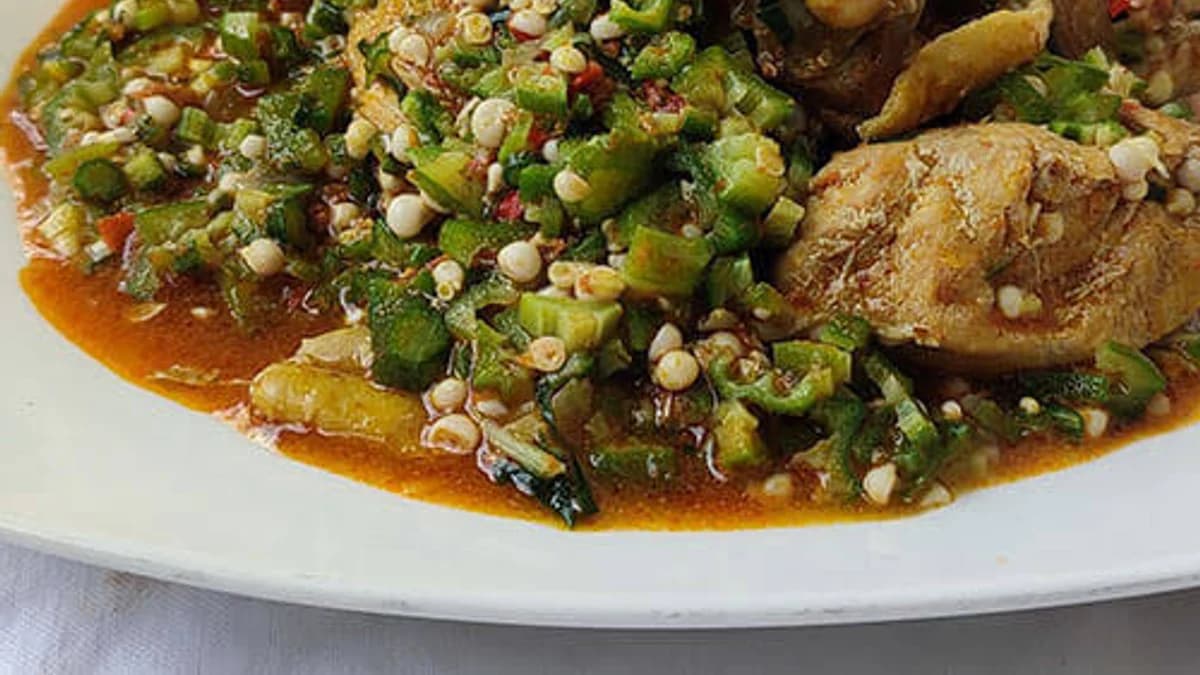
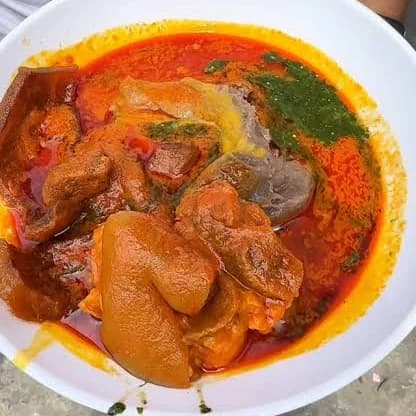
Soups like: Efo Riro, Afang, Edikang Ikong, Okra Soup, Vegetable Soup are packed with leafy vegetables.
Instead of making the swallow the biggest part of the meal, many Nigerians living with diabetes recommend doing the opposite: More soup. Less swallow. Choose lean fish or chicken where possible.
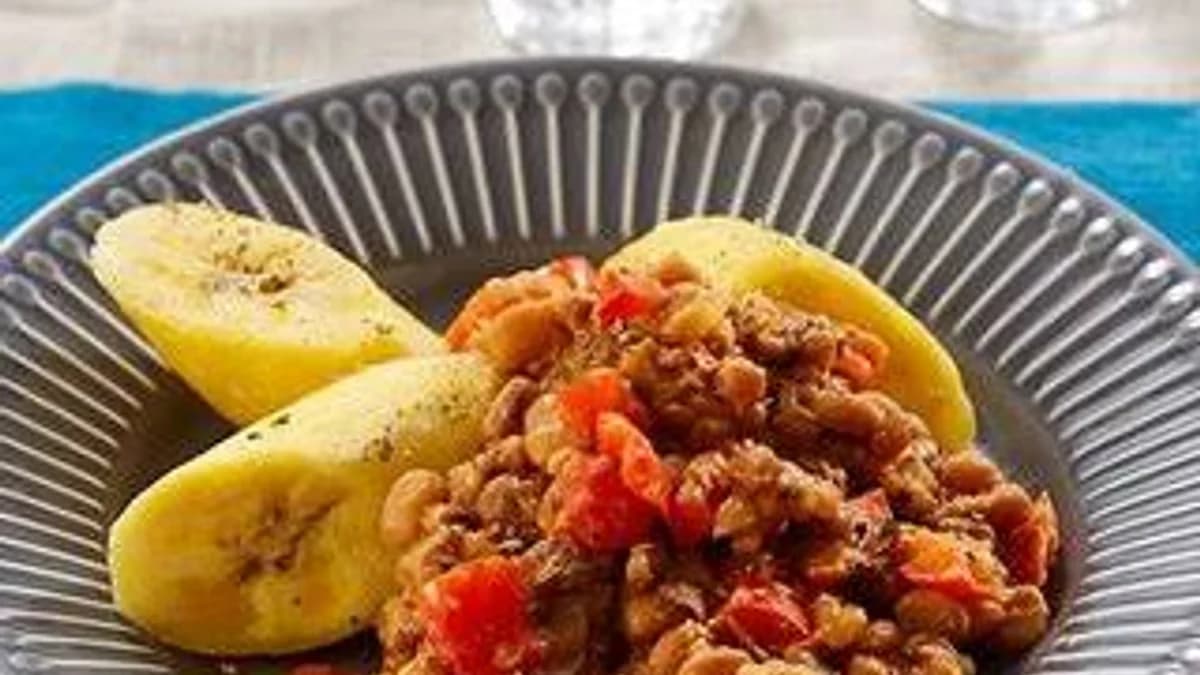
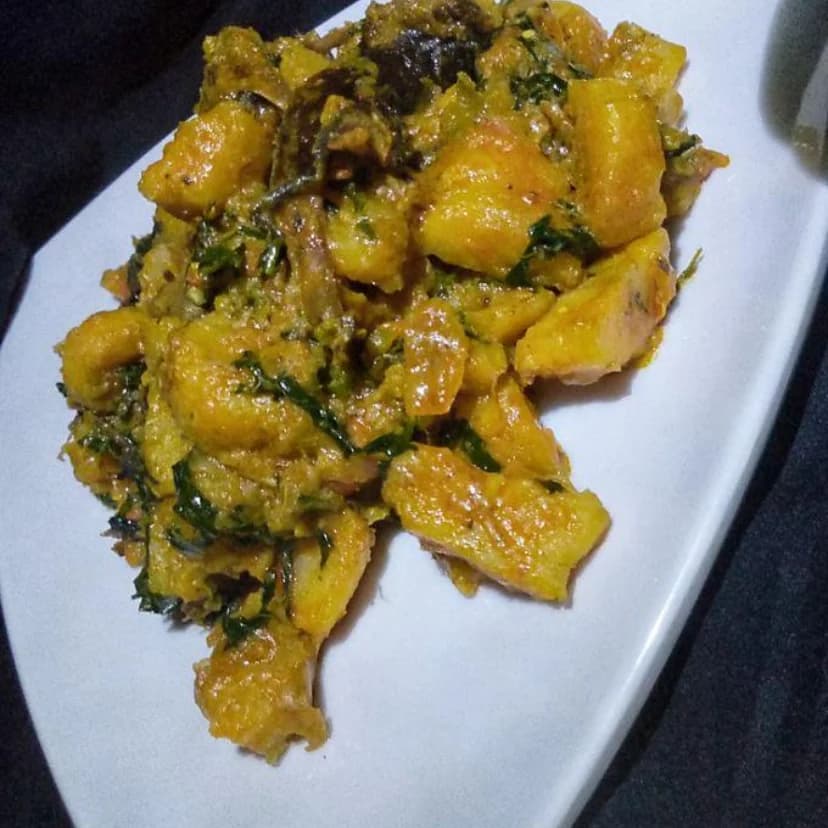
3. Unripe Plantain Porridge
Unlike ripe plantains, unripe plantains have a lower glycaemic impact and are often recommended in Nigerian diabetic meal plans.
Cook it with vegetables and fish for a filling one-pot meal.
4. Beans with Grilled Fish
Beans remain one of the most practical foods for blood sugar management because they're rich in protein and fibre.
The trick is to go easy on the palm oil and take smaller portions.
A side of grilled fish makes it even more satisfying.
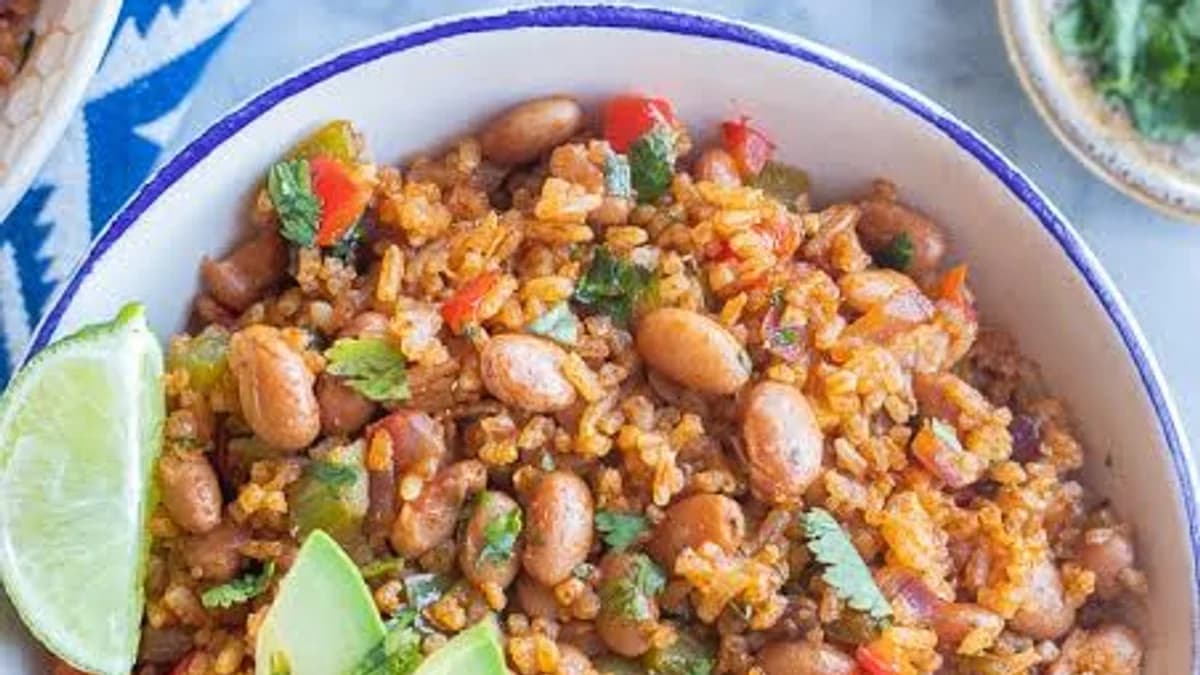
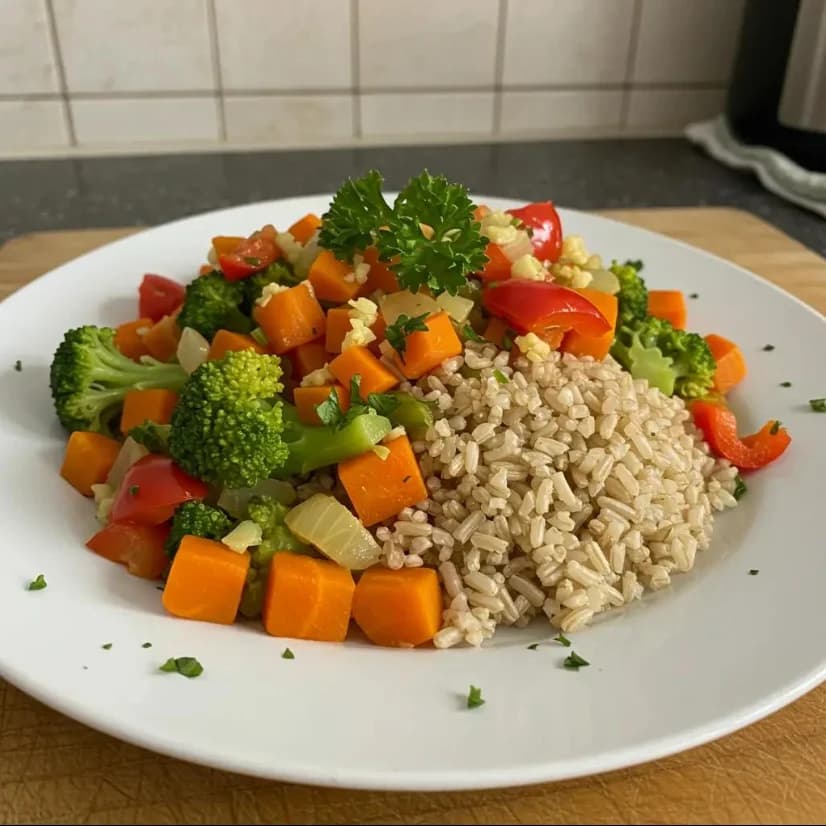
5. Brown Rice with Vegetable Stew
Many people assume rice is completely off-limits. It isn't. Several dietitians recommend swapping large portions of white rice for moderate portions of brown rice alongside vegetable-rich stews and lean protein.
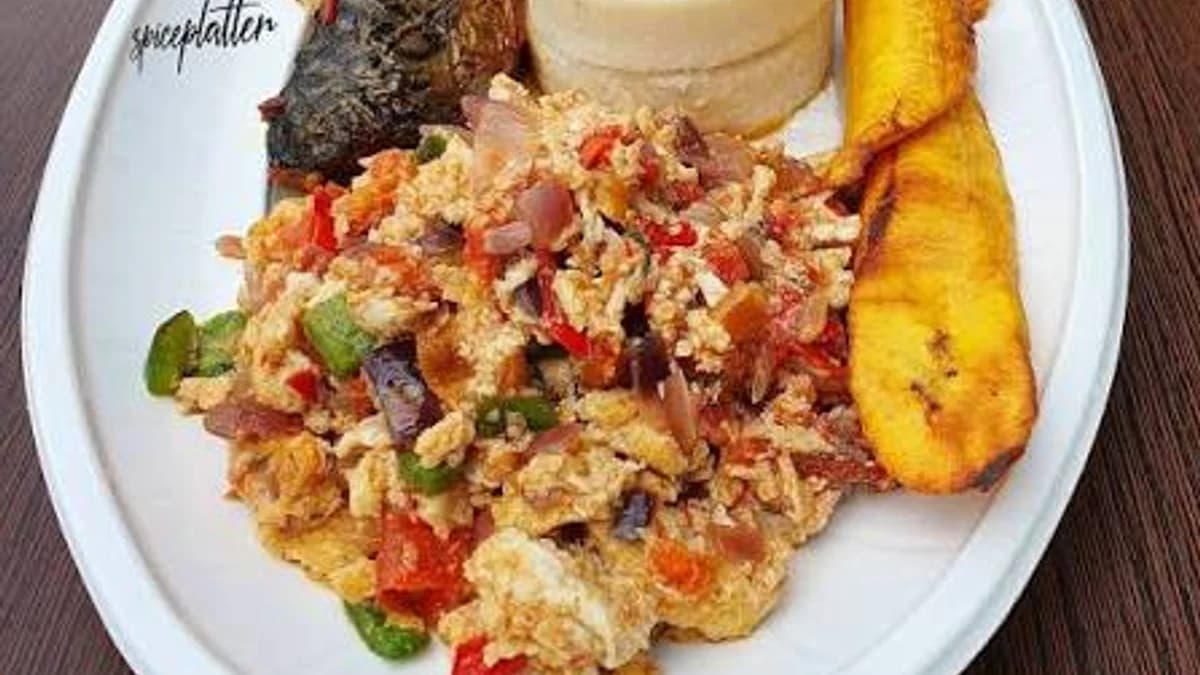
6. Egg Sauce with Boiled Sweet Potato
Sweet potatoes contain more fibre than many refined starches, especially when eaten in sensible portions.
Pair them with egg sauce loaded with tomatoes, onions, and vegetables for a balanced meal.
7. Garden Egg with Groundnut Paste
This combination came up repeatedly in Nigerian diabetes resources.
Garden eggs are low in carbohydrates, while a small amount of natural groundnut paste adds healthy fats and protein.
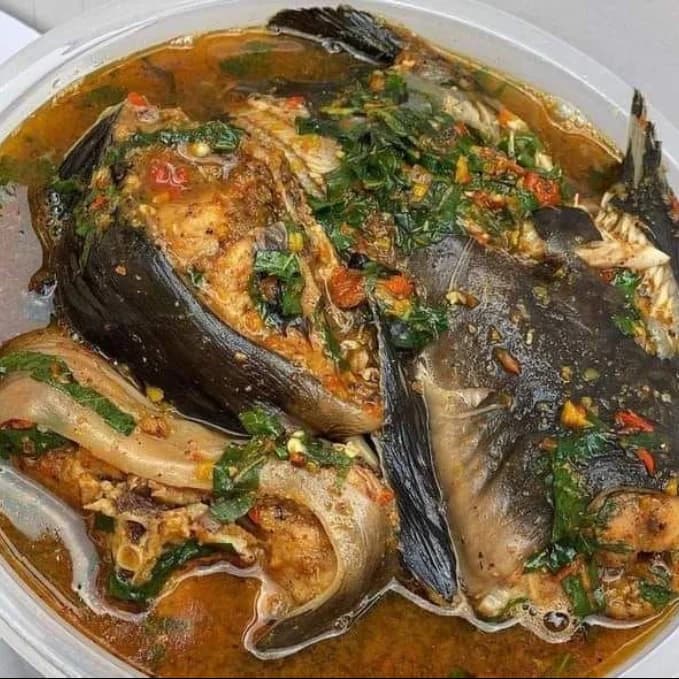
8. Pepper Soup with Fish or Chicken
On days you want something light, fish or chicken pepper soup can be a great option. Keep the seasoning moderate and enjoy it alongside vegetables if possible.
9. Oat Swallow with Okra or Vegetable Soup
Many Nigerians managing diabetes shared that replacing large portions of traditional swallows with oat-based swallow in smaller portions helped them better control their blood sugar while still enjoying soup.
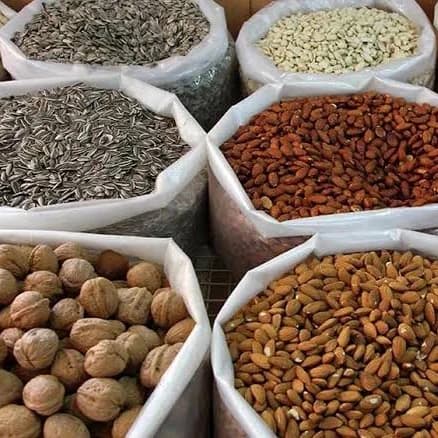
10. Unsweetened Greek Yoghurt with Groundnuts
Instead of sugary desserts, many people opt for unsweetened Greek yoghurt topped with a small handful of roasted groundnuts. It's filling, rich in protein, and easy to prepare.
Common Mistakes Nigerians Living with Diabetes Say They Wish They Avoided
After reading dozens of discussions online, these tips came up repeatedly:
-Don't drink soft drinks or malt with meals.
-Fill at least half your plate with vegetables before adding carbohydrates.
Watch your portion sizes. Even healthier foods can raise blood sugar if eaten in excess.
-Choose water or unsweetened zobo instead of sugary drinks.
-Don't skip meals and then overeat later in the day.
The Biggest Lesson
One comment from a Nigerian living with prediabetes really stood out:
"It's easier to change your portions than to completely abandon the foods you grew up eating."
Managing diabetes doesn't mean giving up Nigerian food.
It means making smarter swaps, eating balanced portions, and building meals around vegetables, fibre, and lean protein rather than letting carbohydrates take over the plate.
If you're living with diabetes or caring for someone who is, what Nigerian meal has worked best for you? Share your experience in the comments. Your tip could help someone else make healthier choices.