By Oluwatobiloba Gideon Oludayomi
I have stood on a farm early in the morning, when the air is still cool and the birds are just waking up, and I have watched a rabbit hutch sit quietly on one side; its droppings feeding the crop, the birds and snails. Nobody clapped for that moment. No camera was there. But that quiet system taught me more about wealth and wisdom than most business seminars I have attended.
That is integrated farming. And I believe with everything in me that it is the future.
Let me explain what I mean, in plain language.
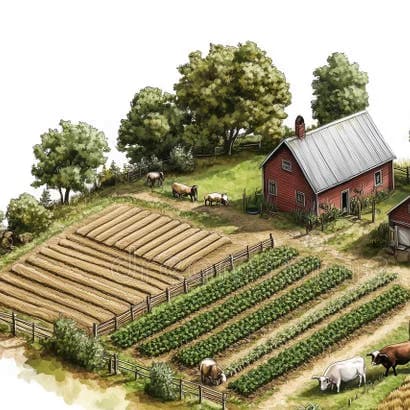
Integrated farming is simply the practice of combining different agricultural activities on one piece of land, so that the waste or output of one becomes the input of another. Crops feed livestock. Livestock waste feeds the soil or the fishpond. The fishpond water can irrigate the crops. Nothing is wasted. Everything talks to everything else. It is not just farming, it is a conversation between living systems.
I have helped manage farms and I currently operate a farm. I have not only learnt this from a textbook but also practically from watching what happens when you separate things that were meant to work together. A crop farmer who has no animals is paying for fertilizer he could have gotten free. A poultry farmer who has no crops is paying to dispose of waste he could have turned into income. We have divided what nature intended to be joined, and then we wonder why our profit margins are thin and our soil is tired.
Long before agricultural science had a name for this, the scripture had already described it.
Leviticus 25 speaks about the land resting, about letting fields lie fallow so they can renew themselves. That is not a random rule. That is an early lesson in sustainable systems. God was teaching a nation of farmers that the land is not a machine to be drained, it is a living thing to be stewarded.
Proverbs 27:23 says, be sure you know the condition of your flocks, give careful attention to your herds. That single verse, written thousands of years ago, is the foundation of everything modern agricultural consultants now charge premium fees to teach. Know your animals. Know your land. Pay attention. Nothing about farming has ever been careless in the eyes of God. It has always been a discipline of attentiveness.
And in Genesis, when God placed man in the garden, He did not tell him to plant one crop and walk away. He told him to work it and take care of it. Work and care. Production and stewardship. That is integration. That is the original design.
I have come to believe that most of our economic struggles in agriculture are not because the land is poor. They are because our thinking is fragmented. We separate what should be combined, and then we complain about cost.
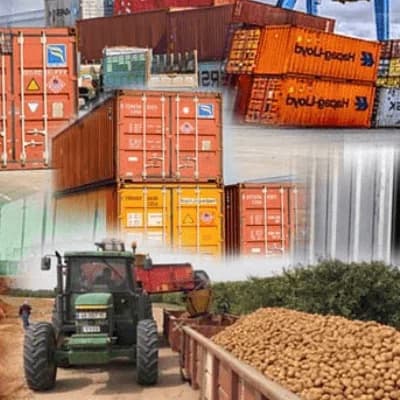
A farmer who plants maize alone will fight pests alone, buy fertilizer alone, and sell in a market flooded by everyone else who also planted only maize. But a farmer who plants maize, keeps a few goats, cultivates vegetables between the rows, and manages a small fishpond, has built himself several small rivers of income from one piece of land. If one river slows down, the others keep flowing.
This is not just agricultural strategy. It is a picture of life itself. Diversify what feeds you, so that no single disappointment can starve you. A man whose income comes from one place is a man that is one bad season away from crisis. A man whose income comes from many connected places has built himself resilience. Integration is not just a farming principle, it is a survival principle.
I raise rabbits and have made revenue in millions from it. People used to laugh when I told them this, as if it was a small thing. But rabbits taught me patience, cleanliness, and the discipline of small beginnings. Rabbit manure is one of the richest organic fertilizers available, almost ready to use without the long composting other manures require plus it helps maintain the soil structure. When I began linking that manure to my crop beds, I watched my soil respond in ways synthetic fertilizer never gave me.
That is when it hit me. Nature does not create waste. Nature creates raw material for the next stage. Human systems are the ones that call things waste, because we have not yet built the bridge to use them.
I say this often to my community, the problem is rarely the resource, it is usually the missing bridge.
Nigeria has the land. Nigeria has the labour. Nigeria has the sunlight almost all year round. What we often lack is the mindset that sees connection instead of isolation. Integrated farming is not reserved for large corporations with millions in capital. A backyard can hold a small poultry unit, a vegetable bed, and a compost system that feeds both. Growth does not always require more land, sometimes it only requires more wisdom applied to the land you already have.
Data from agricultural research across Africa continues to show that integrated systems consistently outperform single stream farming in both yield stability and income diversification, especially for smallholder farmers who cannot absorb the shock of one failed season. This is not opinion, it is a pattern that shows up again and again wherever it has been tried with discipline.
If you are looking for where to put your money in 2026 and beyond, agriculture built on integration deserves your serious attention. Not agriculture as charity, not agriculture as a fallback plan, but agriculture as a designed system, engineered for multiple returns.
Your life is also a farm. Your skills, your relationships, your faith, your finances, they are not meant to exist in separate boxes. When your faith informs your business decisions, when your relationships strengthen your discipline, when your finances support your calling, you have built an integrated life. But when you compartmentalize everything, praying on Sunday and scheming on Monday, loving your family in the morning and neglecting them by evening, you create the same fragility you would find on a farm that grows only one crop.
Integration is not just an agricultural upgrade. It is a life philosophy. Everything you have was meant to work together.
I am not writing this to convince you that everyone must become a farmer. I am writing this to challenge how you see connection, in your work, your resources, and your calling. Ask yourself what in your life is currently isolated that could be feeding something else. What waste in your world could actually be raw material you have not yet recognized.
The land does not lie. It rewards attentiveness and punishes neglect, quietly but consistently. Scripture told us this long before agricultural science caught up. Perhaps it is time we returned to reading both the Word and the soil with the same seriousness.
So let me ask you plainly, what is one thing in your life right now, one skill, one relationship, one resource, that you have been treating in isolation, that could actually be integrated to serve a bigger purpose. Drop your answer in the comments, I read them, and I would love to think through this with you.
* * *
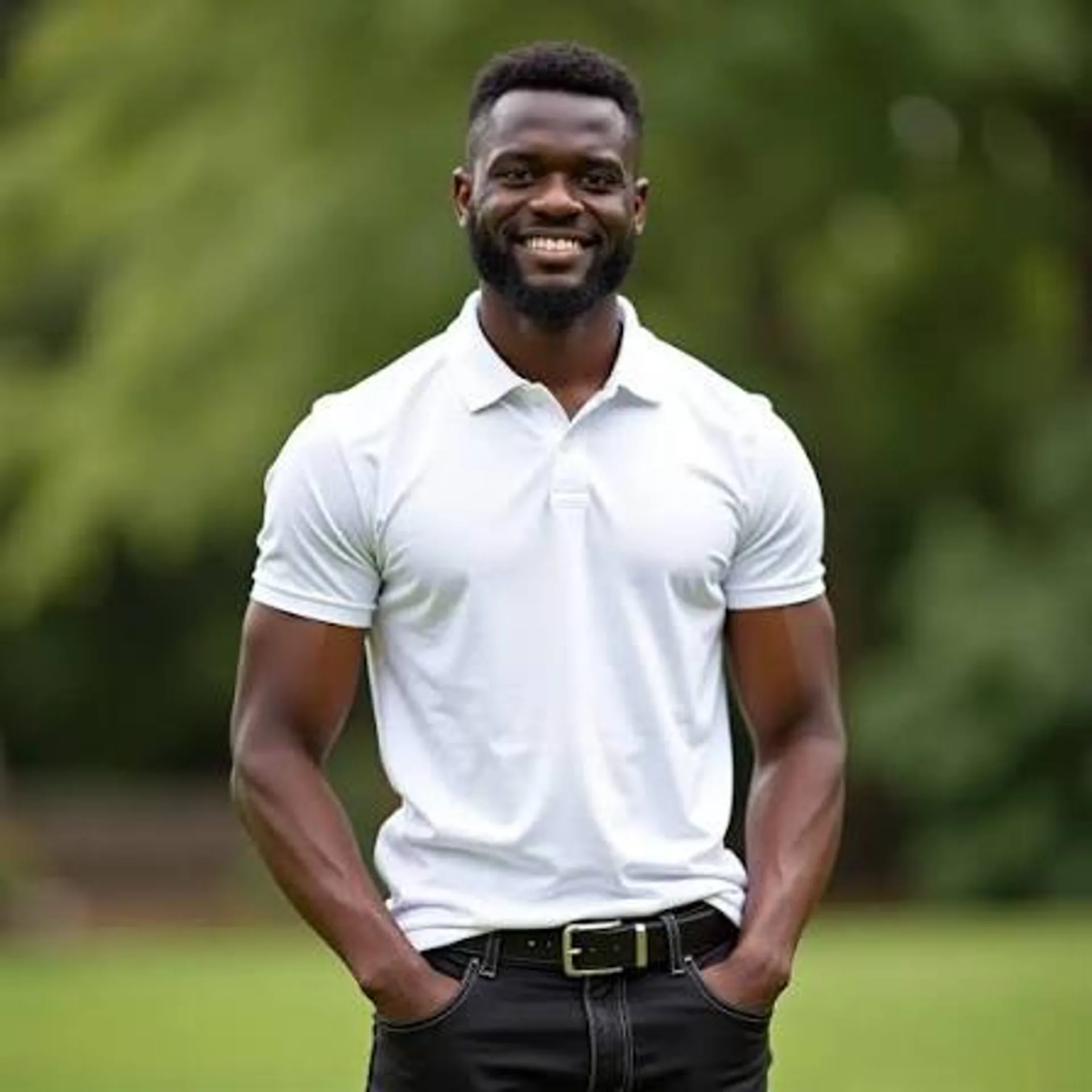
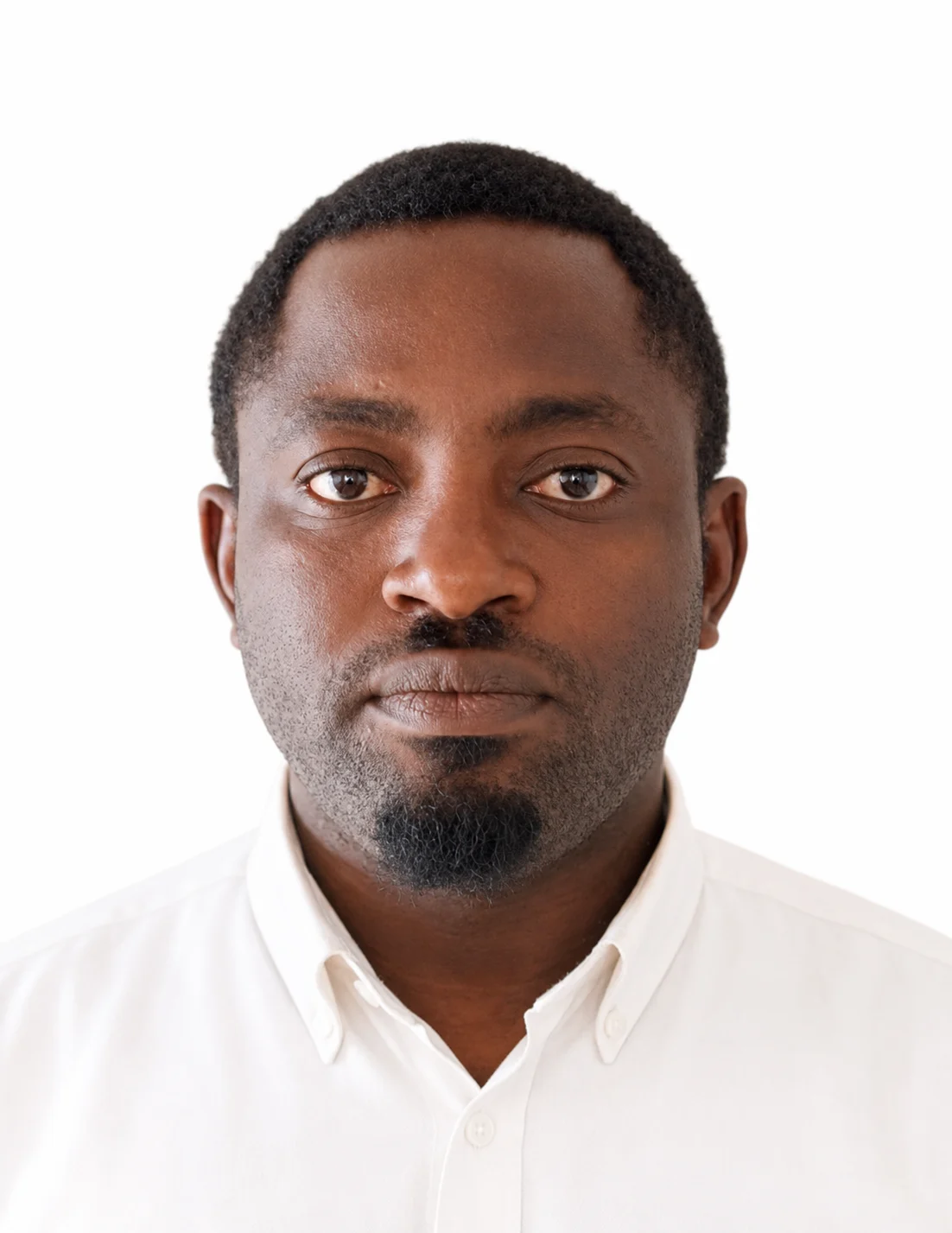
Oluwatobiloba Gideon Oludayomi is a life coach, a practical writer, a scripture addict, and a versatile entrepreneur creating wealth solutions through agriculture, real estate, and enterprise. He is the Visioneer of Ambassadors for Christ Intercessory Missions, a ministry mandated to raise a conscious generation and new covenant priests who will be a sweet savour unto God and humanity, a place of both spiritual formation and social impact. He is the Convener of the Dominion Guild Network, an ecosystem of high value individuals, young and determined to becoming an empowered generation. He is the author of "Build It to Last," "I Thought I Married a Wife" (a novel), and "Practical Love."