
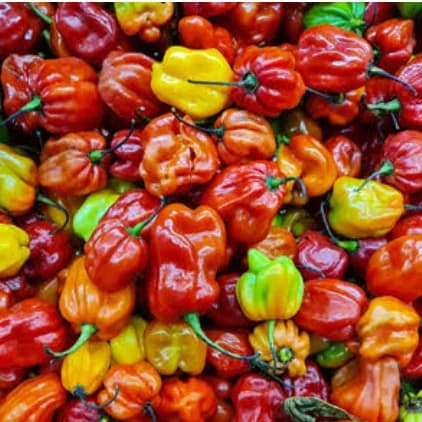
We all know the rush of heat from a bowl of Nigerian soup, but have you ever stopped to wonder why certain peppers feel "sharp" while others add a deep, complex warmth?
As a Food Technologist, I look past the heat. I look at the chemesthesis and the volatile profile of the pepper.
The Science of "Heat":
When we talk about heat, we are primarily talking about capsaicinoids (like capsaicin). These compounds don’t actually "taste" in the way salt or sugar does; they trigger pain receptors in your mouth that send a heat signal to your brain.
The Volatile Secret to Depth:
But a great soup needs more than just pain; it needs depth. That’s where the volatile organic compounds come in. When you toast or blend aromatic native spices like Uziza or Uda alongside your peppers, you are releasing essential oils—terpenes and aldehydes—that provide the "aroma" of the soup.
Why it’s the "Secret Weapon":
The magic happens when the heat of the capsaicinoids meets the volatile aromatic oils. This combination creates a "flavor bridge." It’s the reason why a soup with Uziza tastes "rounder" and more complex than a soup with just chili powder. That combination of chemical irritation (heat) and complex aromatics is what creates the lingering, addictive profile of Nigerian soups.
Big Sister Tech Tip:
If you want to unlock the deepest flavor from your peppers, don't just boil them. Lightly roasting or charring your peppers and native spices before blending helps to caramelize the sugars and "open up" the volatile oils, giving you that rich, restaurant-quality depth every time.
Let’s talk:
Are you Team "Burn my tongue" (High heat, low aromatic) or Team "Complex Spice" (Balanced heat, deep aroma)? Tell me your pepper philosophy below! 👇
#MariacathieRootLab #FoodScience #ChemistryOfHeat #Capsaicin #NigerianCuisine #FlavorChemistry #CulinaryScience #FoodTech #SpiceScience