
A Practical Nutrition Guide for Nigerians
By Ayo Bashiru Itopa, RD | Clinical Dietitian & Nutritionist
Stroke is one of the leading causes of death and long-term disability in Nigeria. It occurs when blood flow to part of the brain is blocked (ischemic stroke) or when a blood vessel in the brain bursts (hemorrhagic stroke). High blood pressure is the biggest risk factor, but unhealthy eating habits, obesity, diabetes, high cholesterol, smoking, and physical inactivity also play major roles.
The good news is that many strokes can be prevented by adopting healthier eating habits and making better lifestyle choices.
1. Reduce Your Salt Intake
Eating too much salt increases blood pressure, which significantly raises the risk of stroke.
Foods to limit include:
Seasoning cubes in excess
Salted meats
Processed foods
Instant noodles
Salted snacks
Smoked and salted fish
Canned Food
Instead:
Use natural spices such as garlic, ginger, onions, scent leaves, curry, thyme, and turmeric to add flavour.
Taste your food before adding extra salt.(Pinch or dash of salt is okay)
2. Eat More Fruits and Vegetables
Fruits and vegetables are rich in potassium, fibre, antioxidants, and vitamins that help control blood pressure and protect blood vessels.
Excellent Nigerian choices include:
Waterleaf
Ugu
Efo tete
Okra
Cabbage
Carrots
Cucumbers
Tomatoes
Garden eggs
Oranges
Pawpaw
Watermelon
Bananas
Guava
Aim for at least five servings of fruits and vegetables every day.
3. Choose Healthy Carbohydrates
Refined carbohydrates can contribute to obesity, diabetes, and poor heart health.
Choose:
Brown rice
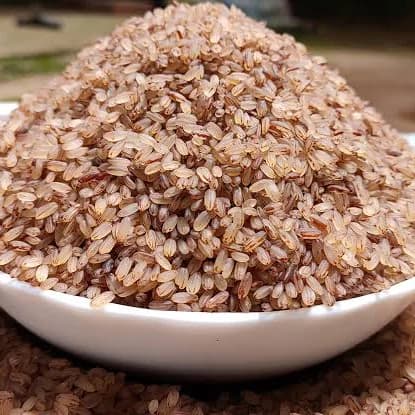
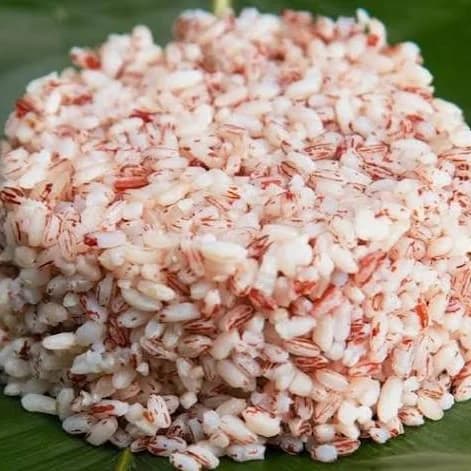
Ofada rice
Oats
Sweet potatoes
Unripe plantain
Beans
Whole wheat bread
Reduce:
White bread
Cakes
Doughnuts
Sugary cereals
Pastries
4. Eat More Fish and Less Fatty Meat
Fish contains omega-3 fatty acids that help lower inflammation, reduce triglycerides, and protect the heart and blood vessels.
Good options include:
Titus (Mackerel)
Sardines
Croaker
Herring
Reduce consumption of:
Fatty beef
Processed meats
Sausages
Corned beef
Bacon
Grill, boil, or steam fish instead of deep frying.
5. Increase Your Fibre Intake
Dietary fibre helps lower cholesterol, improves blood sugar control, and supports healthy body weight.
High-fibre Nigerian foods include:
Beans
Moi-moi
Oats
Groundnuts
Soybeans
Vegetables
Apples
Pears
Oranges
Include fibre-rich foods in every meal.
6. Reduce Sugary Drinks
Frequent intake of sugary drinks increases the risk of obesity, diabetes, and high blood pressure.
Avoid frequent consumption of:
Soft drinks
Sweetened fruit juices
Energy drinks
Sugary yoghurt drinks
Choose:
Water
Unsweetened zobo
Unsweetened kunu
Coconut water (without added sugar)
Unsweetened green yoghurt
7. Choose Healthy Cooking Oils
Not all fats are harmful. Healthy fats support heart health, while excessive saturated and trans fats increase cholesterol.
Use in moderation:
Soybean oil
Olive oil
Canola oil
Groundnut oil
Reduce excessive use of:
Palm oil
Butter
Margarine
Reused frying oil
8. Control Portion Sizes
Eating large portions regularly can lead to weight gain, increasing the risk of hypertension and stroke.
Simple tips:
Use a smaller plate.
Fill half your plate with vegetables.
Eat slowly.
Stop eating when comfortably satisfied.
Avoid eating late at night.
9. Drink Enough Water
Proper hydration supports normal blood circulation and overall body function.
Aim for about 2–3 litres of water daily, unless your healthcare provider recommends otherwise due to kidney, heart, or other medical conditions.
10. Maintain a Healthy Weight
Being overweight or obese increases the likelihood of developing high blood pressure, diabetes, and high cholesterol—all major risk factors for stroke.
A balanced diet combined with regular physical activity can help you achieve and maintain a healthy weight.
Other Lifestyle Habits That Reduce Stroke Risk
Nutrition is important, but it works best alongside healthy lifestyle habits.
✔ Check your blood pressure regularly.
✔ Exercise for at least 150 minutes per week.
✔ Avoid smoking.
✔ Limit alcohol intake.
✔ Sleep for 7–9 hours each night.
✔ Manage stress through relaxation, prayer, social support, or other healthy coping strategies.
✔ If you have hypertension, diabetes, or high cholesterol, take your prescribed medications consistently and attend regular medical follow-up appointments.
Foods That Support Heart and Brain Health
Include these regularly in your meals:
Oats
Beans
Fish
Avocado pear
Garlic
Tomatoes
Leafy vegetables
Groundnuts
Soybeans
Oranges
Apples
Guava
Watermelon
Final Thoughts
Stroke is not an inevitable part of ageing. Many cases can be prevented through healthy eating and positive lifestyle changes. Eating less salt, increasing your intake of fruits, vegetables, whole grains, beans, and fish while limiting sugary drinks, processed foods, and unhealthy fats can significantly reduce your risk.
Remember, every healthy meal is an investment in your brain and your heart. Start making healthier choices today—your future self will thank you.
About the Author
Ayo Bashiru Itopa, RD is a Registered Dietitian, Clinical Nutritionist, and Research Consultant committed to helping Nigerians prevent and manage lifestyle-related diseases through practical, evidence-based nutrition education. His mission is to make healthy eating simple, affordable, and accessible for everyone.
Follow for more nutrition tips, healthy Nigerian meal ideas, and evidence-based health information.