
In today’s world, many people focus more on looking happy than actually being happy.
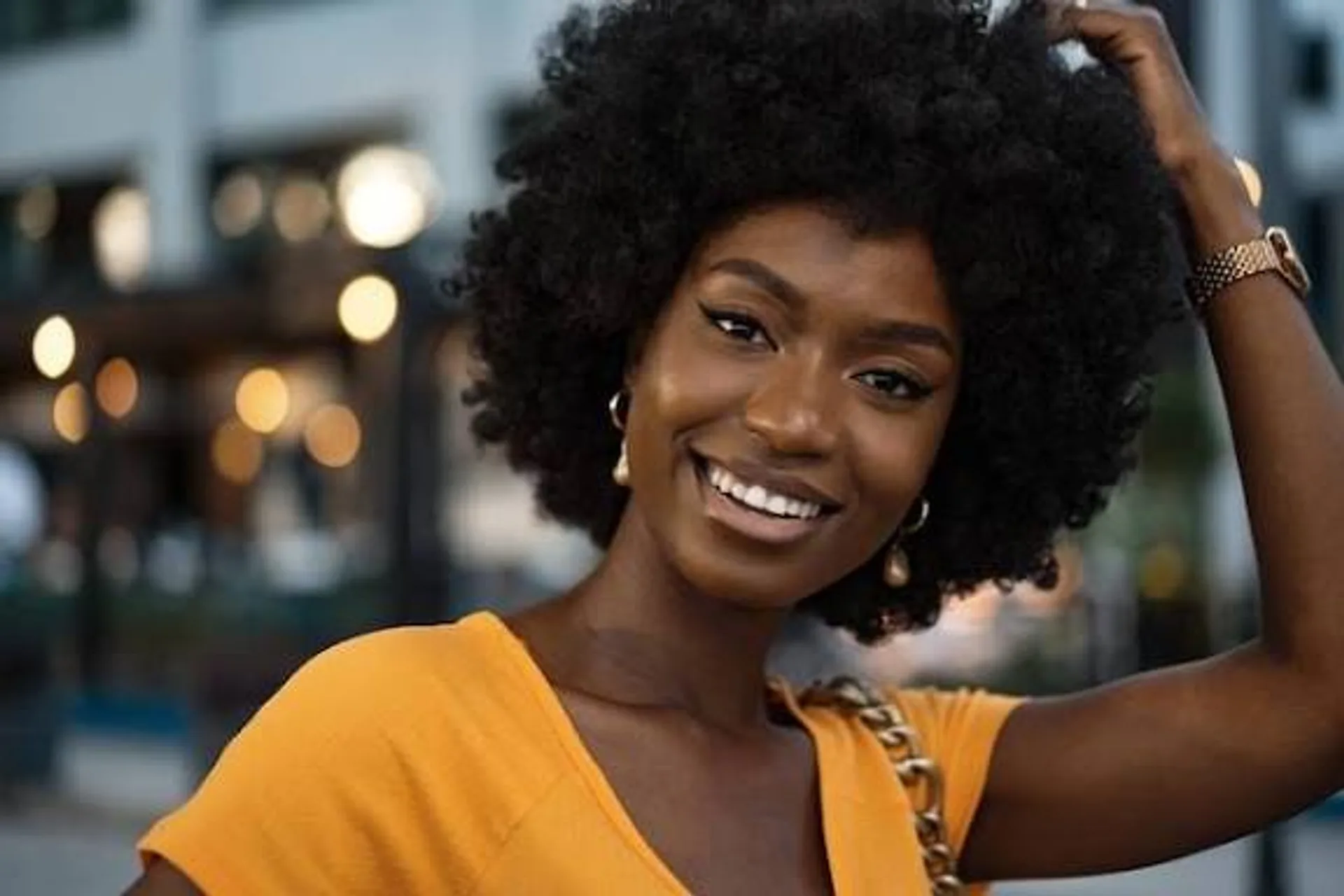
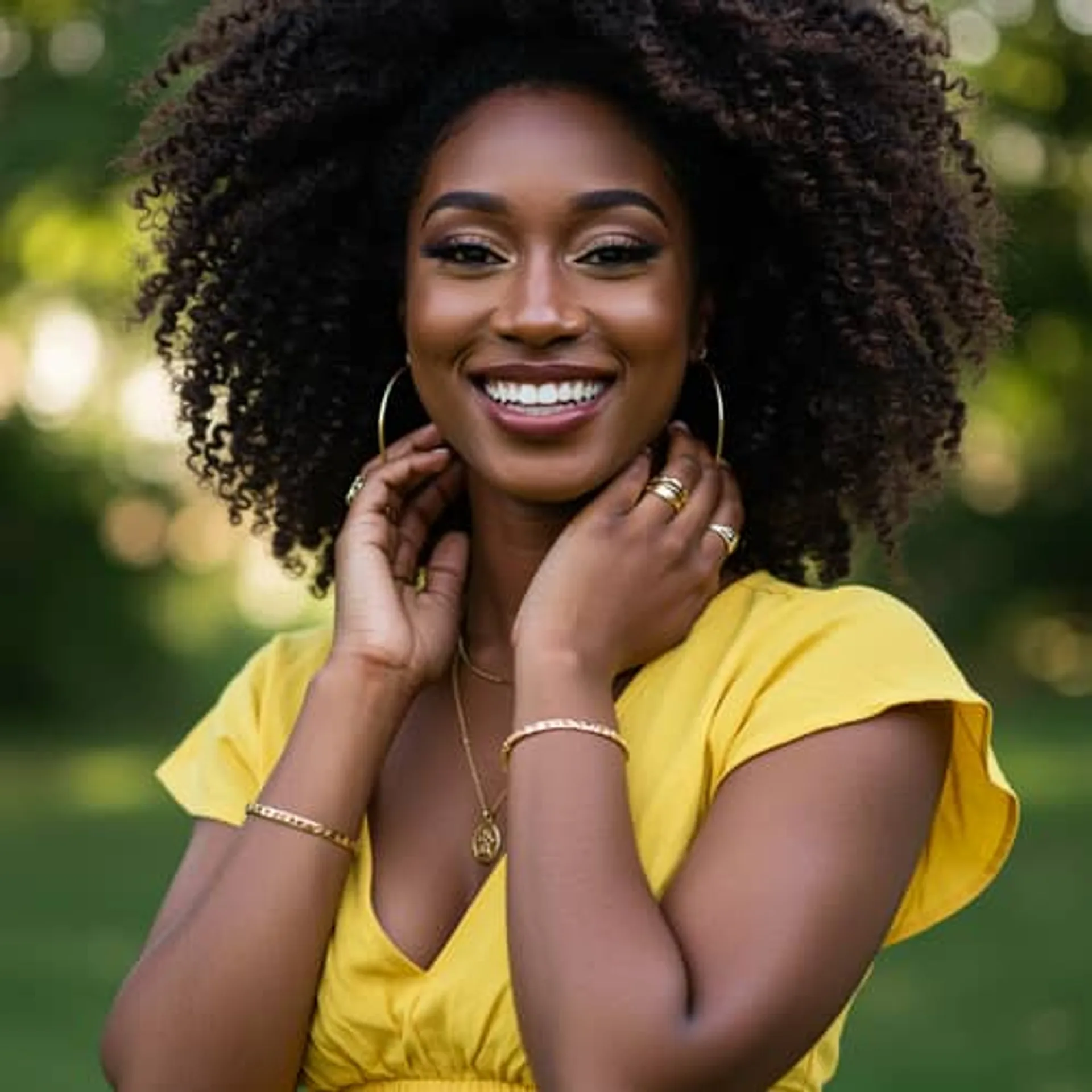
Social media has made public happiness look like the ultimate goal — posting vacations, relationships, expensive gifts, achievements, luxury lifestyles, and perfect moments for everyone to see.
But behind many beautiful pictures and smiling videos are people silently battling stress, loneliness, pressure, anxiety, and emotional exhaustion.
That’s the difference between public happiness and private peace.
Public happiness is often performance-based.
It depends on attention, validation, appearances, and how people perceive your life from the outside.
Private peace, on the other hand, is deeper.
It’s the ability to sleep peacefully at night without pretending.
It’s having a calm mind, emotional stability, healthy relationships, and a life that genuinely feels safe and fulfilling even when nobody is watching.
Many people have public happiness but no private peace.
They post constantly, smile online, and appear successful, but privately they feel overwhelmed, empty, or emotionally drained.
Another difference is that public happiness often chases approval.
People begin to make decisions based on what looks impressive instead of what truly makes them happy internally.
Private peace is quieter.
It doesn’t always need public validation.
Sometimes the happiest moments are the ones nobody sees online.
Another important thing is that public happiness can disappear quickly because it depends heavily on external reactions.
Likes reduce. Attention fades. Trends change.
But private peace is more stable because it comes from within — from self-respect, healthy boundaries, emotional maturity, purpose, and genuine contentment.
The truth is, a peaceful life is more valuable than a performative one.
There’s nothing wrong with sharing happiness online, but real fulfillment begins when your life feels good even without an audience.
At the end of the day, many people secretly crave peace more than attention.
If you had to choose one permanently, would you choose public happiness or private peace?